16/02/2026
4 min read

Warsaw Security Forum at the Munich Security Conference 2026

Home
|
WSF2026
|
|
Warsaw Security Forum at the Munich Security Conference 2026

Warsaw Security Forum at the Munich Security Conference 2026

As a partner of the Munich Security Conference, the Warsaw Security Forum delegation participated in #MSC2026 at a moment when the foundations of the international order are increasingly under strain. Held under the theme “Under Destruction”, the Conference was shaped by a shared recognition that the post-Cold War security architecture is eroding. For Europe, Russia’s war against Ukraine has become the central test of whether it can assume responsibility for its own security, recognising that Ukraine’s defence is inseparable from Europe’s own.

Against this backdrop, the Warsaw Security Forum marked its presence at #MSC2026 through two flagship engagements: a high-level public panel on the Main Stage, contributing directly to the Conference’s core debates on defending Europe and supporting Ukraine, and a closed-door strategic dinner convening senior political and security leaders for candid, off-the-record exchange. Together, these engagements reflected Europe’s growing awareness that strategic dependence is no longer sustainable and underscored WSF’s role as a platform linking strategic reflection with political decision-making at a critical juncture for European and transatlantic security.

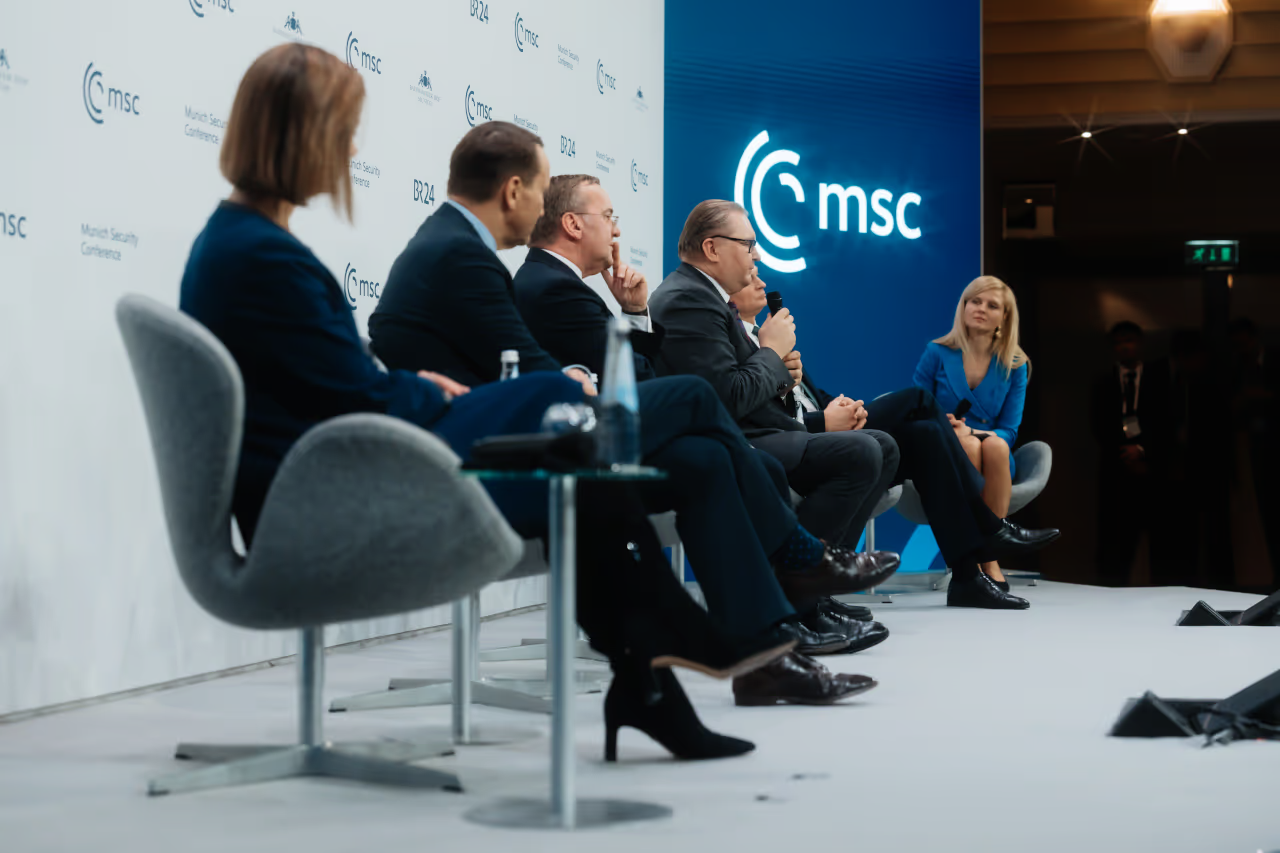
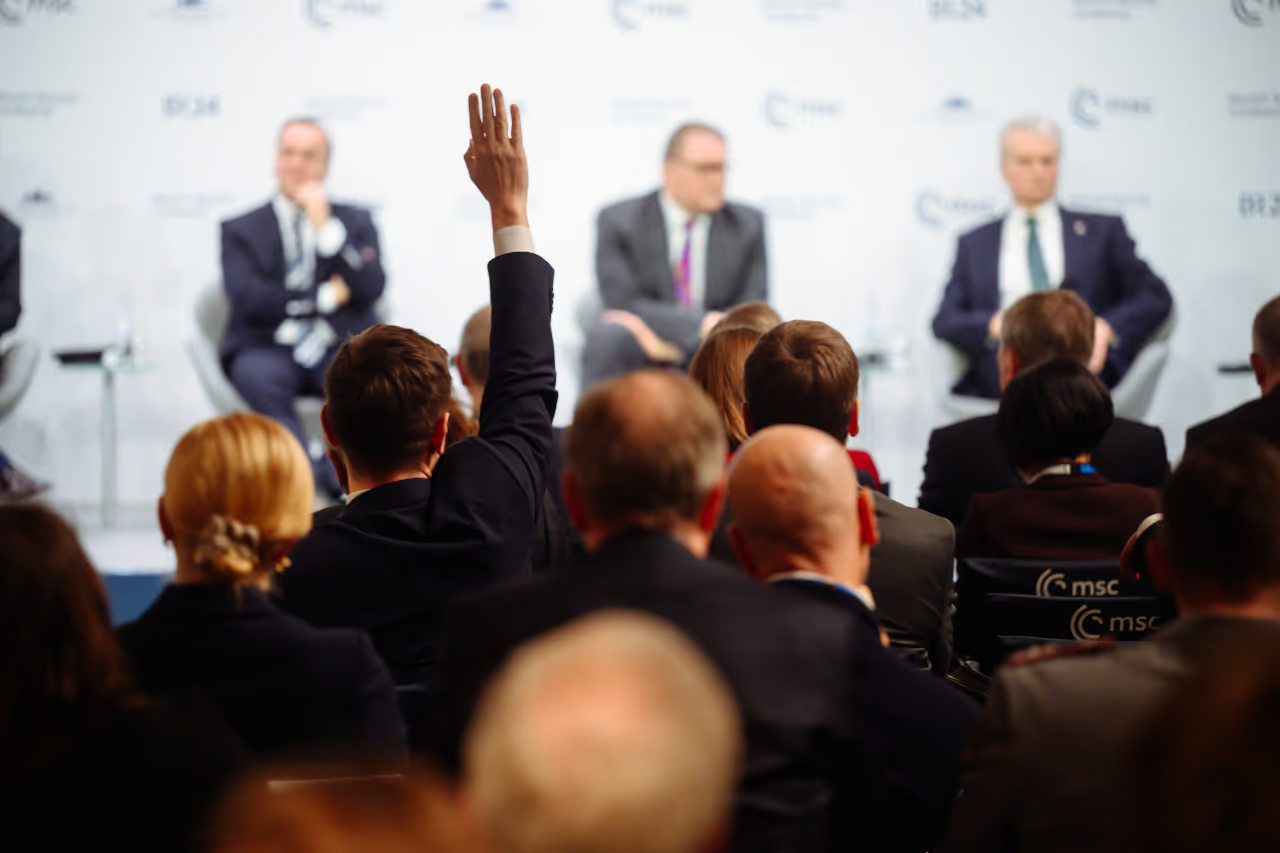
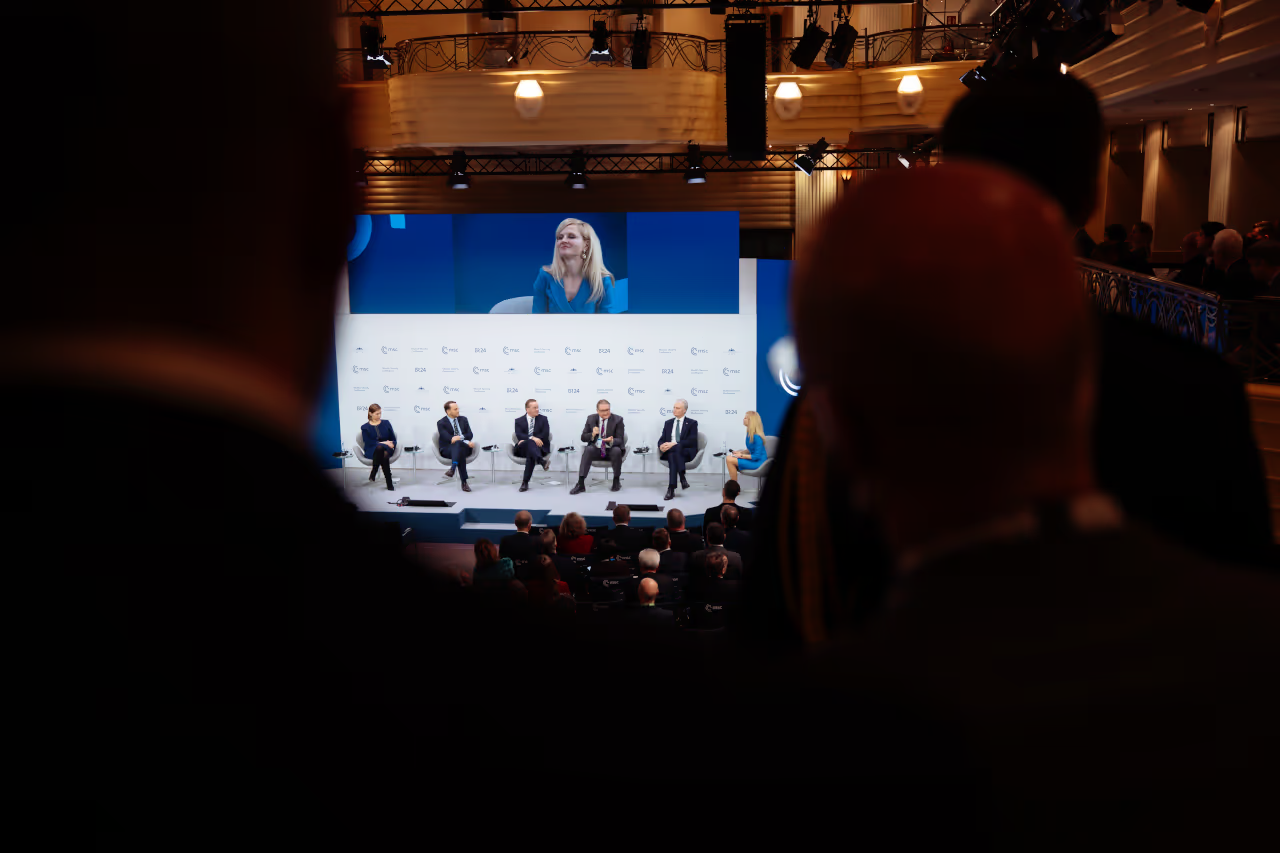
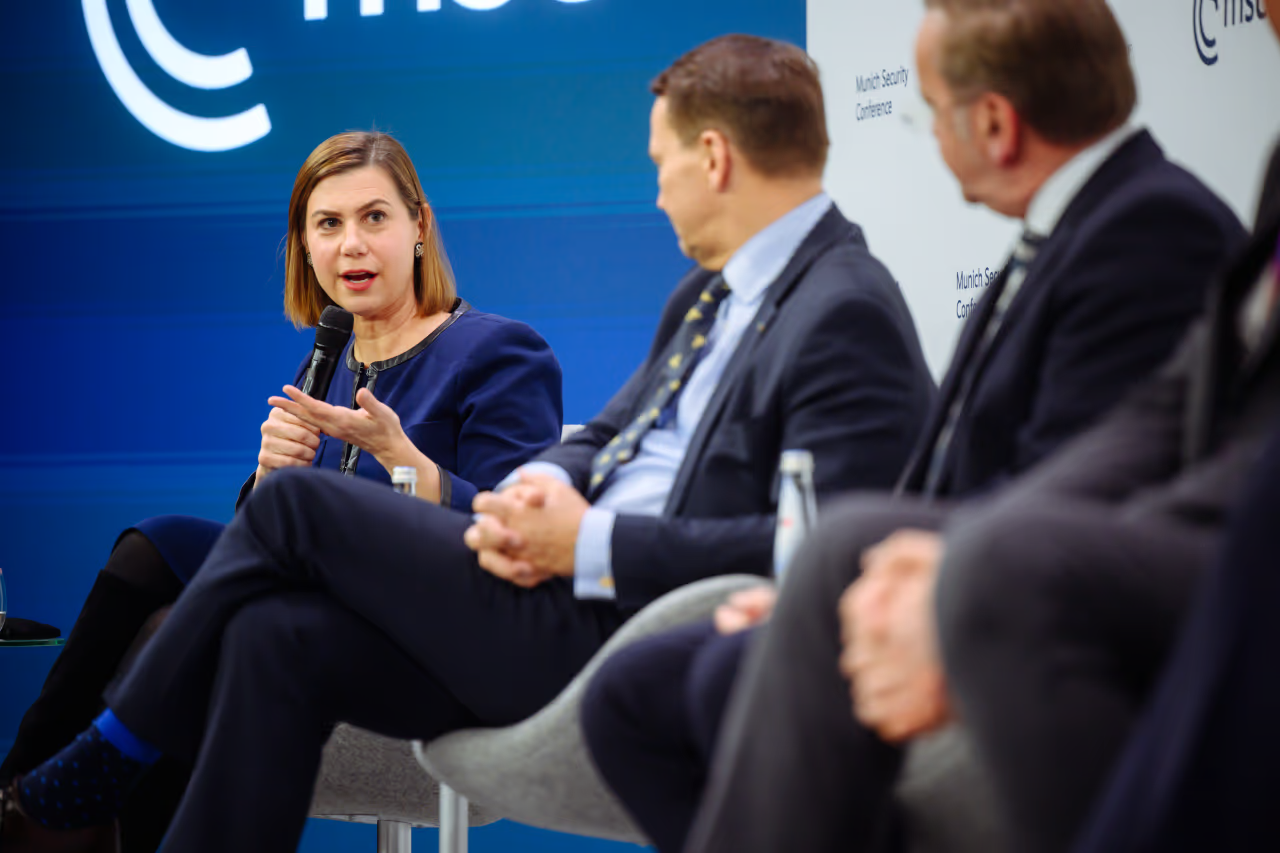
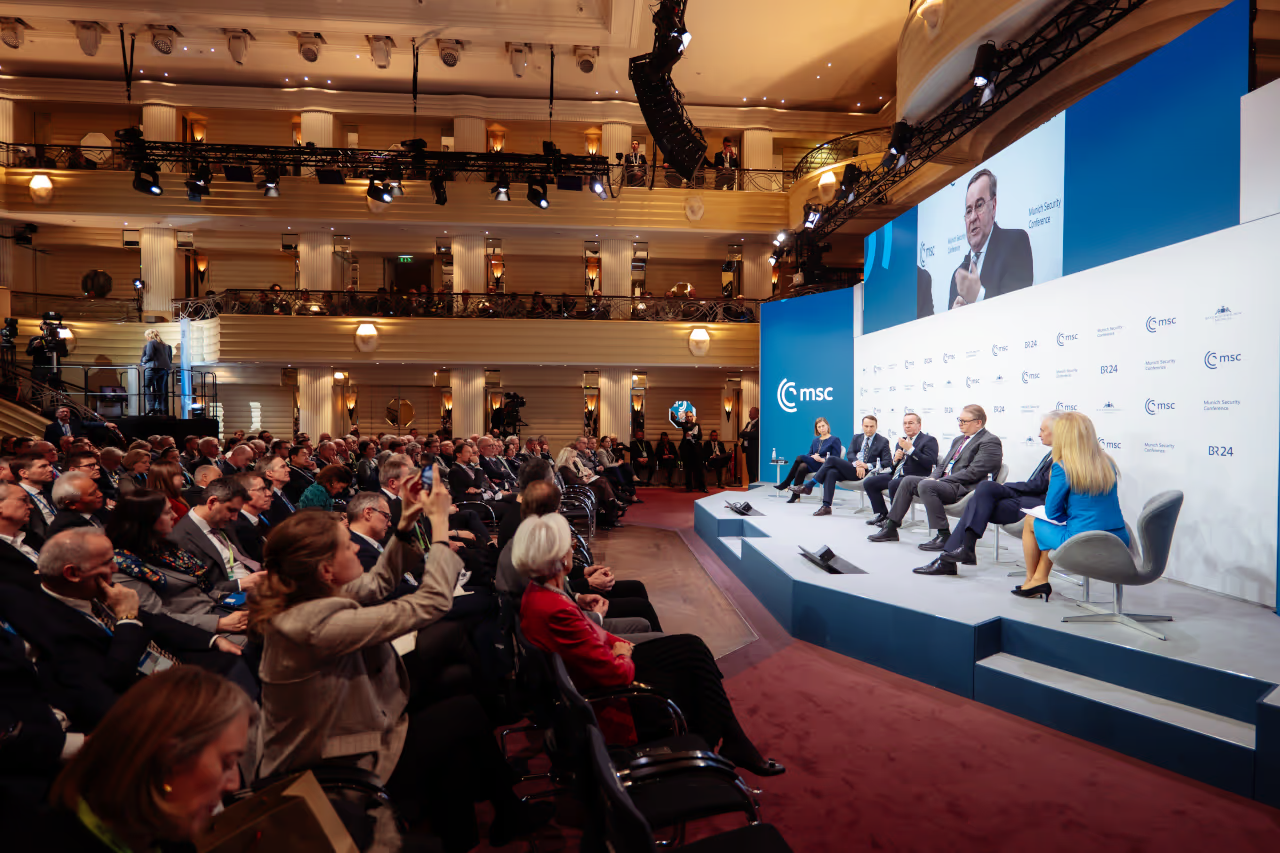
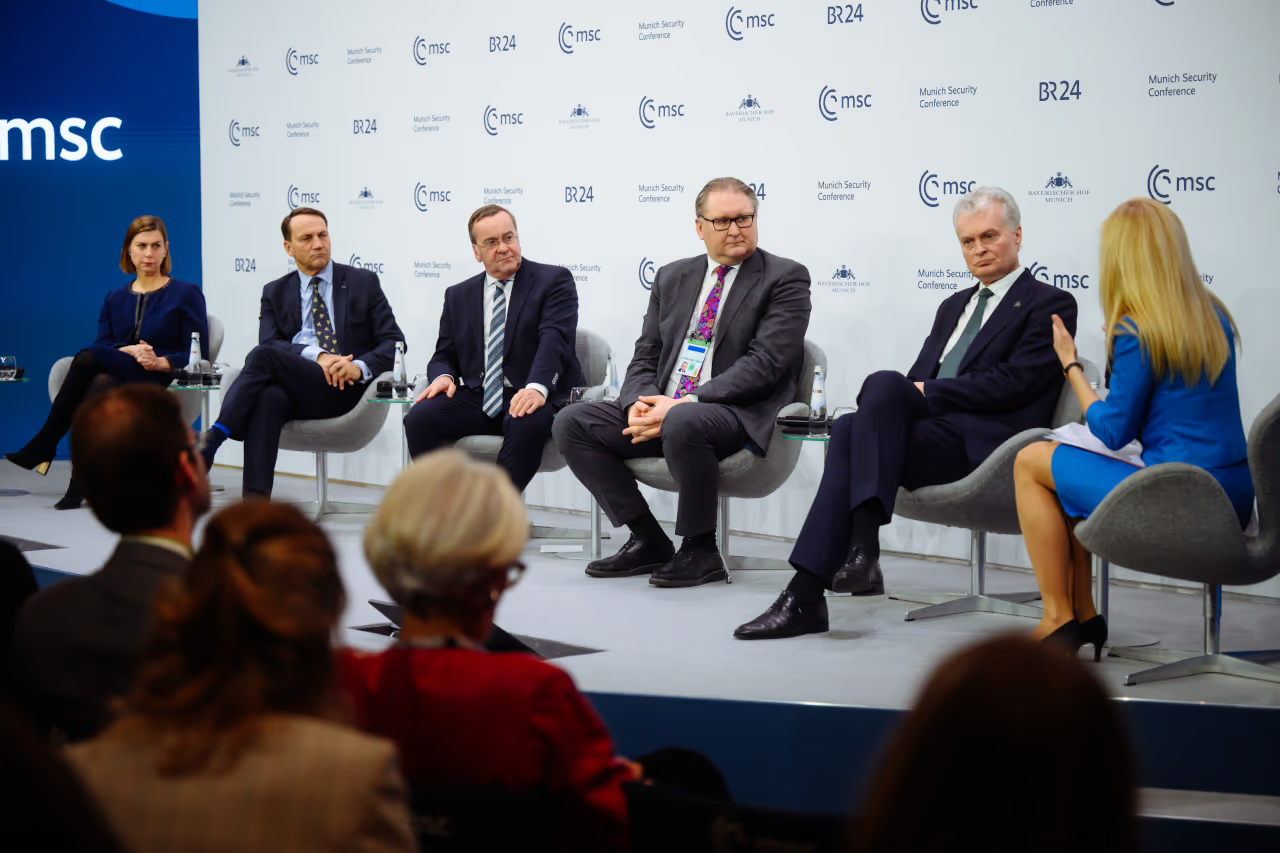
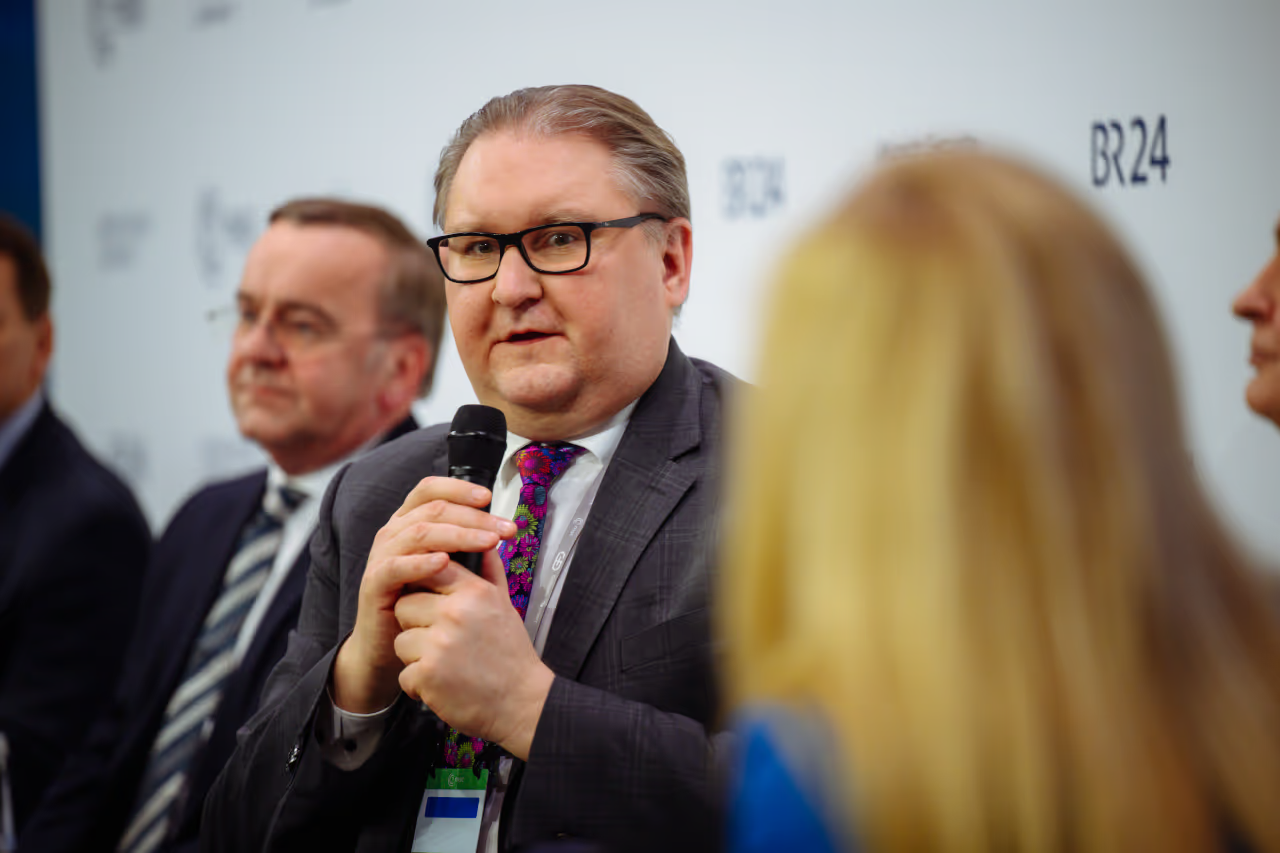
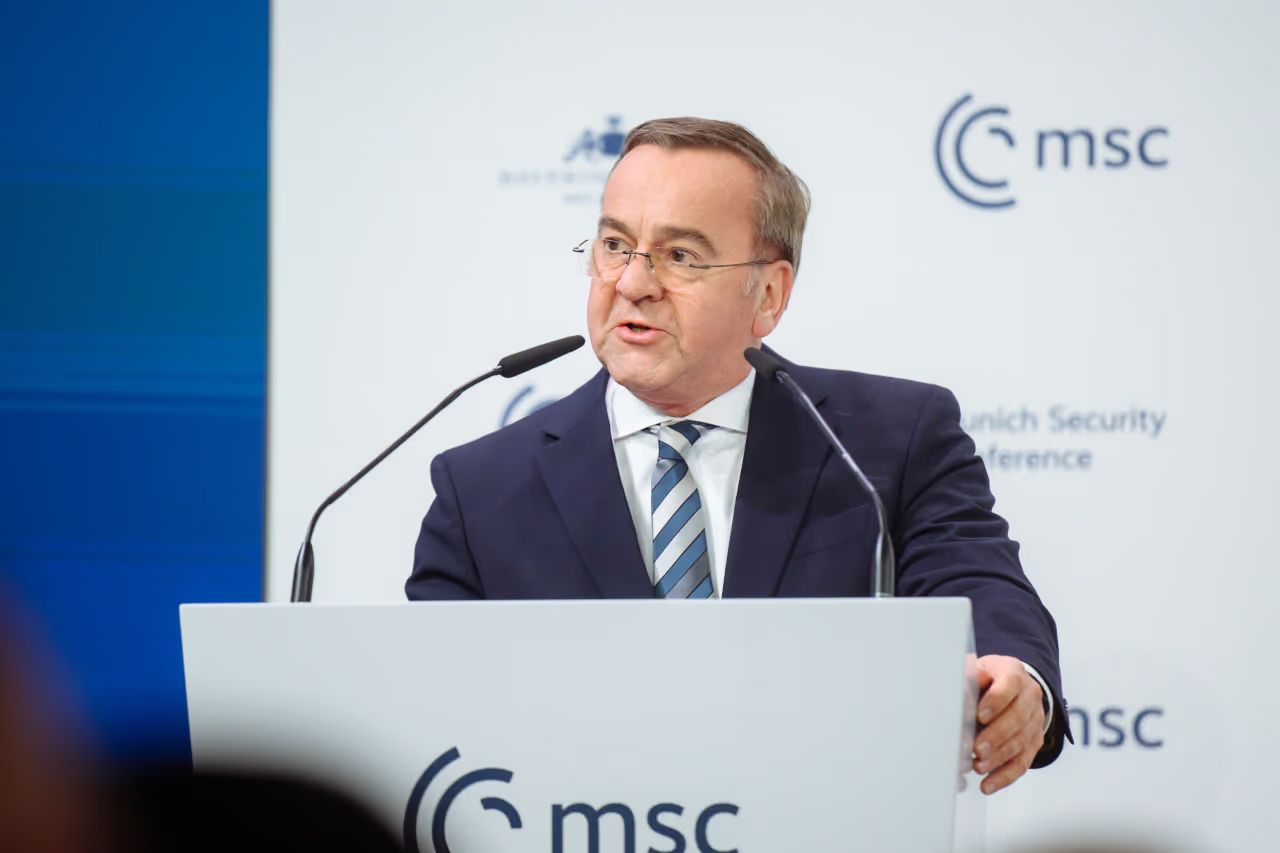
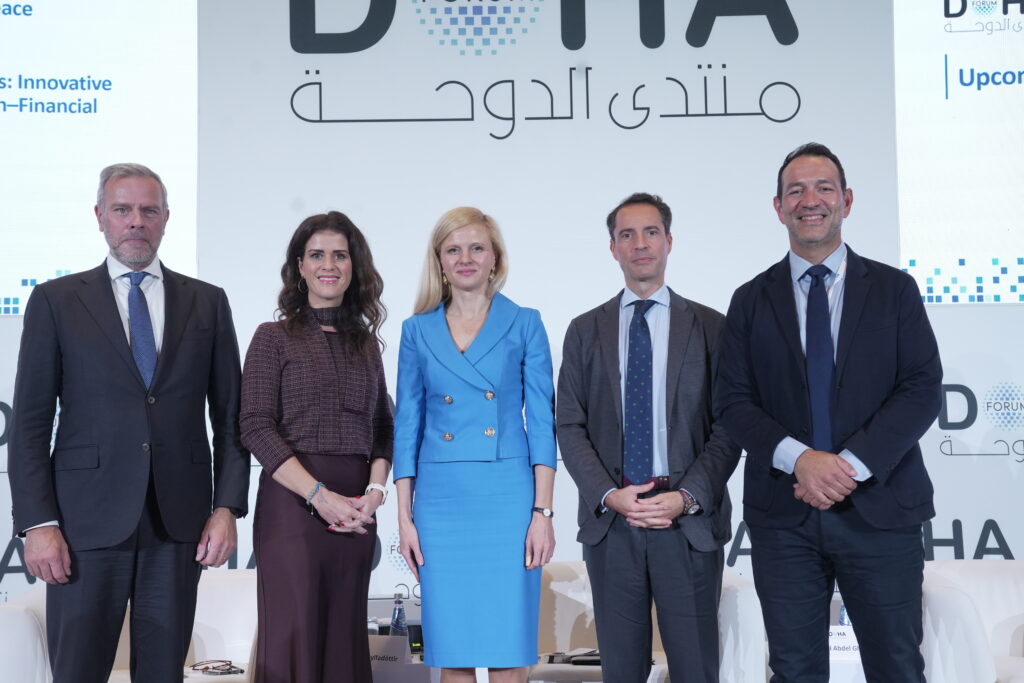
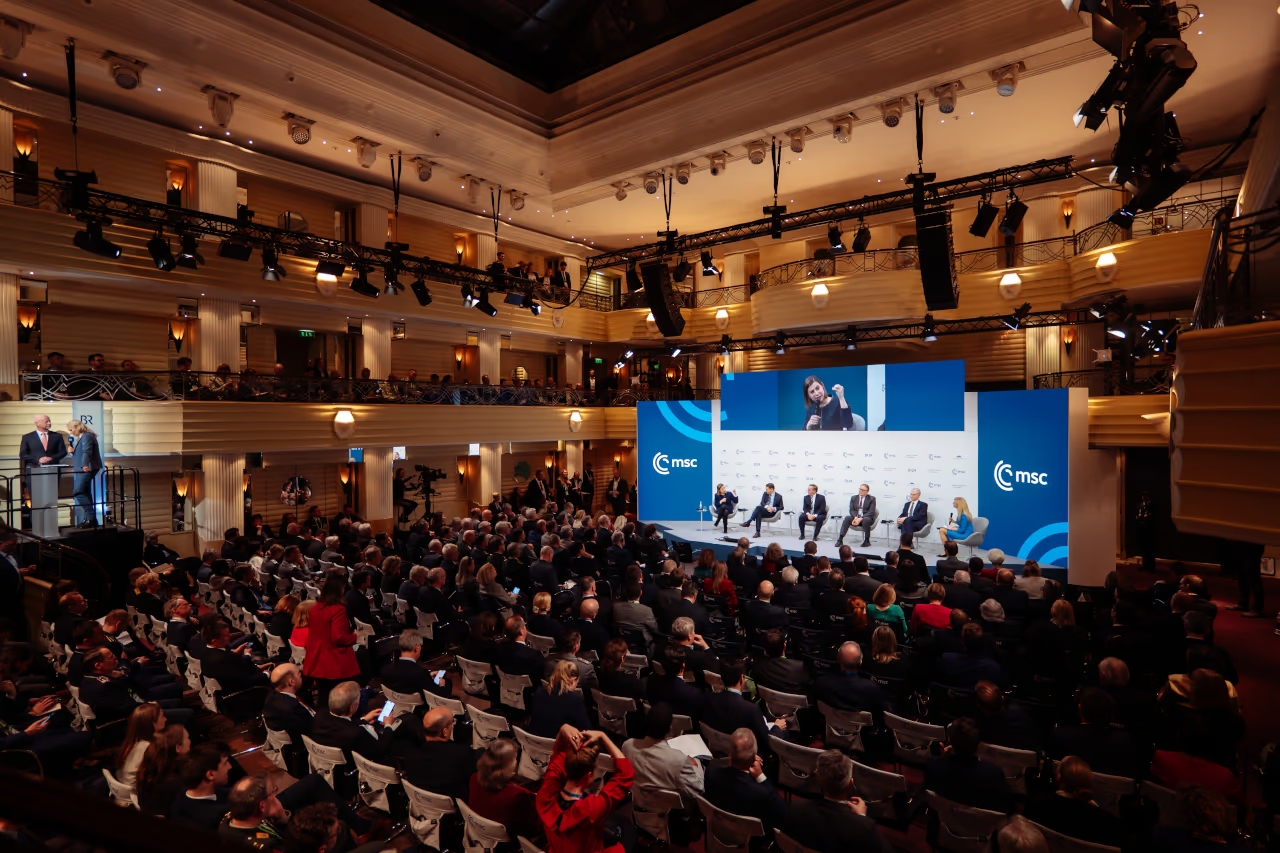
Main Stage Panel “Holding the Line: Defending Europe and Supporting Ukraine”

The session, moderated by Katarzyna Pisarska, Chair of the Warsaw Security Forum, brought together a  istinguished gathering of senior political and security leaders from across Europe and the transatlantic community:

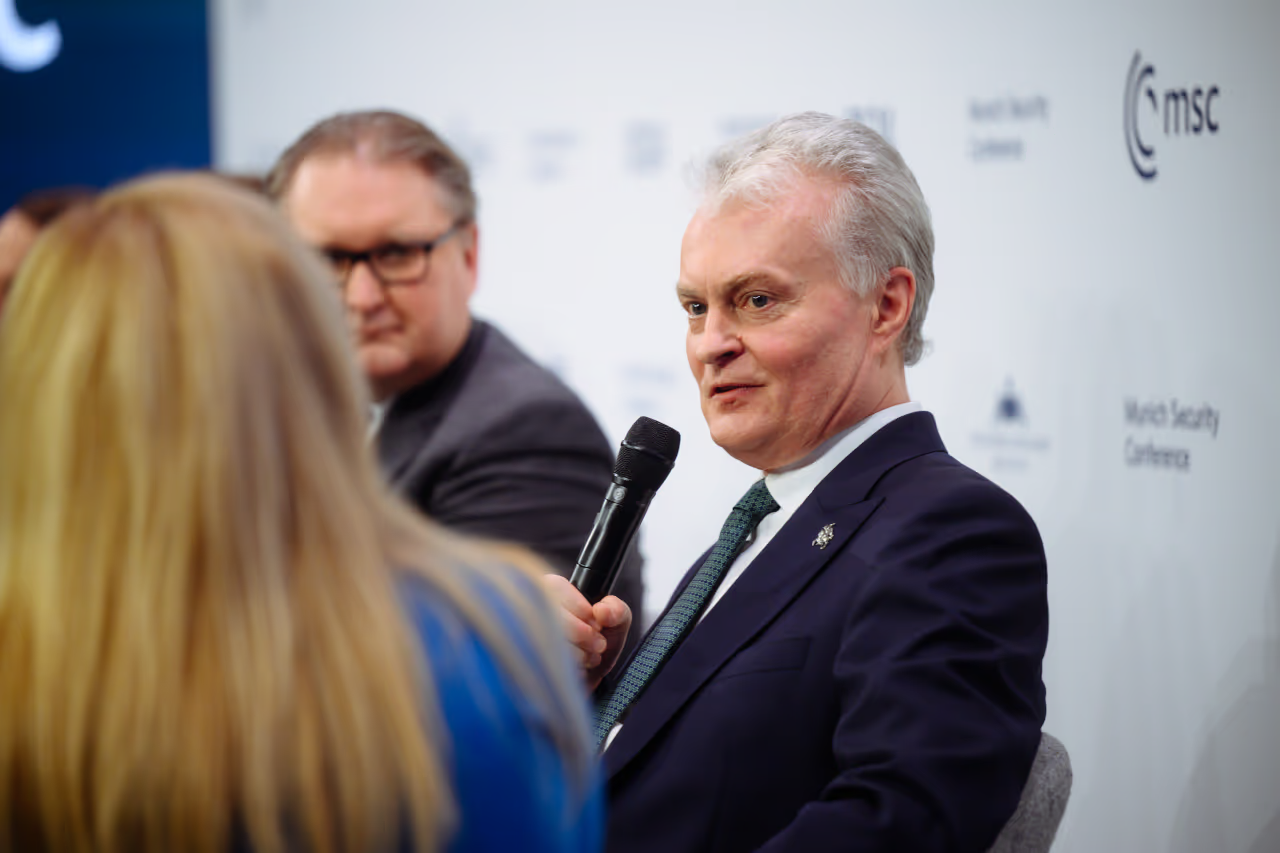
  • Gitanas Nausėda, President of the Republic of Lithuania
  • Boris Pistorius, Federal Minister of Defence of Germany
  • Radosław Sikorski, Deputy Prime Minister and Minister of Foreign Affairs of Poland
  • Taras Kachka, Deputy Prime Minister for European and Euro-Atlantic Integration of
    Ukraine
  • Elissa Slotkin, U.S. Senator and Member of the Senate Committee on Armed
    Services


The discussion reflected a pragmatic optimism within the transatlantic alliance, driven by a clearer division of responsibilities, with Europe urged to take the lead in providing robust conventional forces, closing capability gaps, and strengthening its defence industrial base while the United States continues to underpin deterrence. Russia was identified as the main obstacle to progress, deliberately prolonging the war, as its hybrid campaign – particularly
attacks on energy  infrastructure – underscored the need for sustained military support for Ukraine, energy assistance, and credible security guarantees.

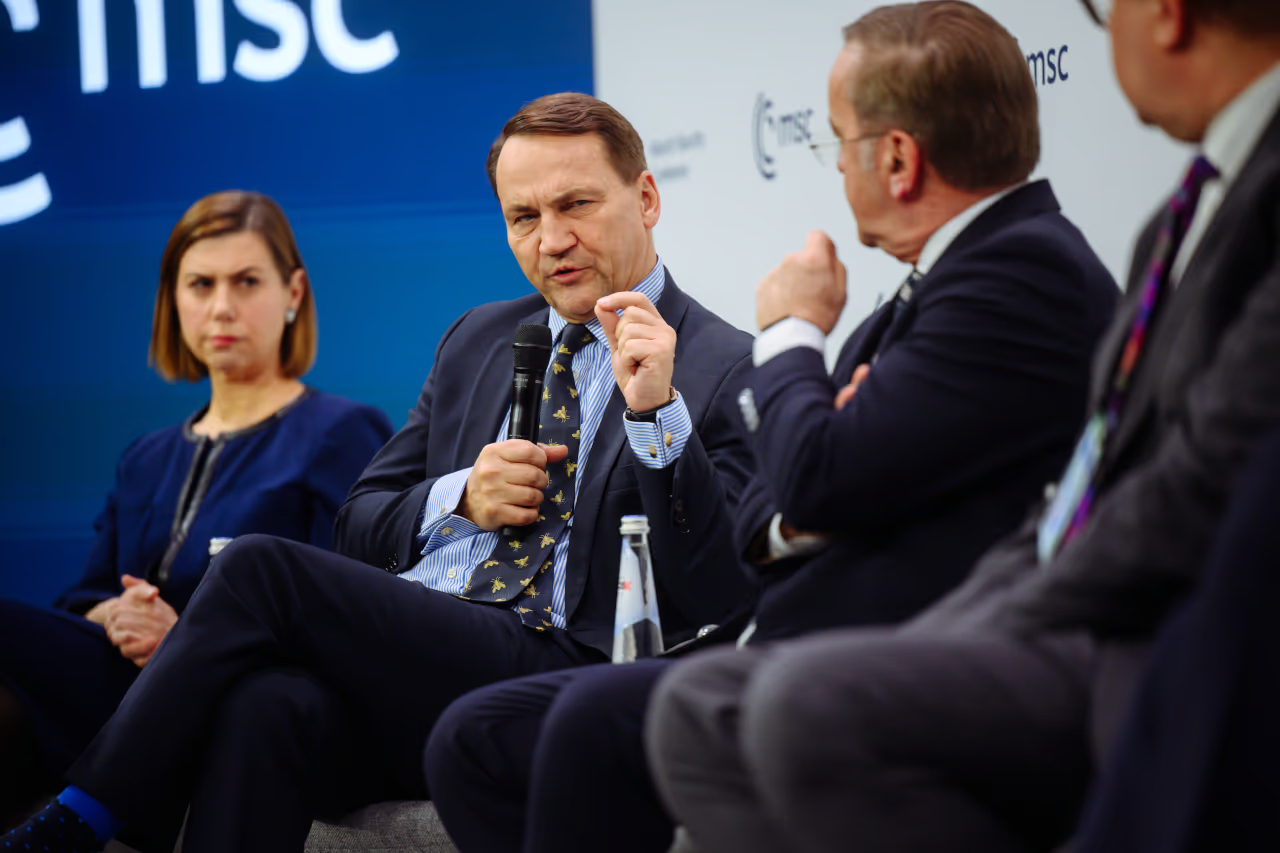
Reflecting on the shifting balance of responsibility, Radosław Sikorski, Deputy Prime Minister and Minister of Foreign Affairs of Poland, drew attention to the fact that Europe is increasingly bearing the costs of the war and its consequences.

The American outlay for the war last year was close to zero. We are buying American weapons to be delivered to Ukraine. If we are paying – and this affects our security, not just Ukraine’s – then Europe deserves a seat at the table, because the outcome of this war will affect us

Radosław Sikorski

Deputy Prime Minister, Minister of Foreign Affairs, Republic of Poland

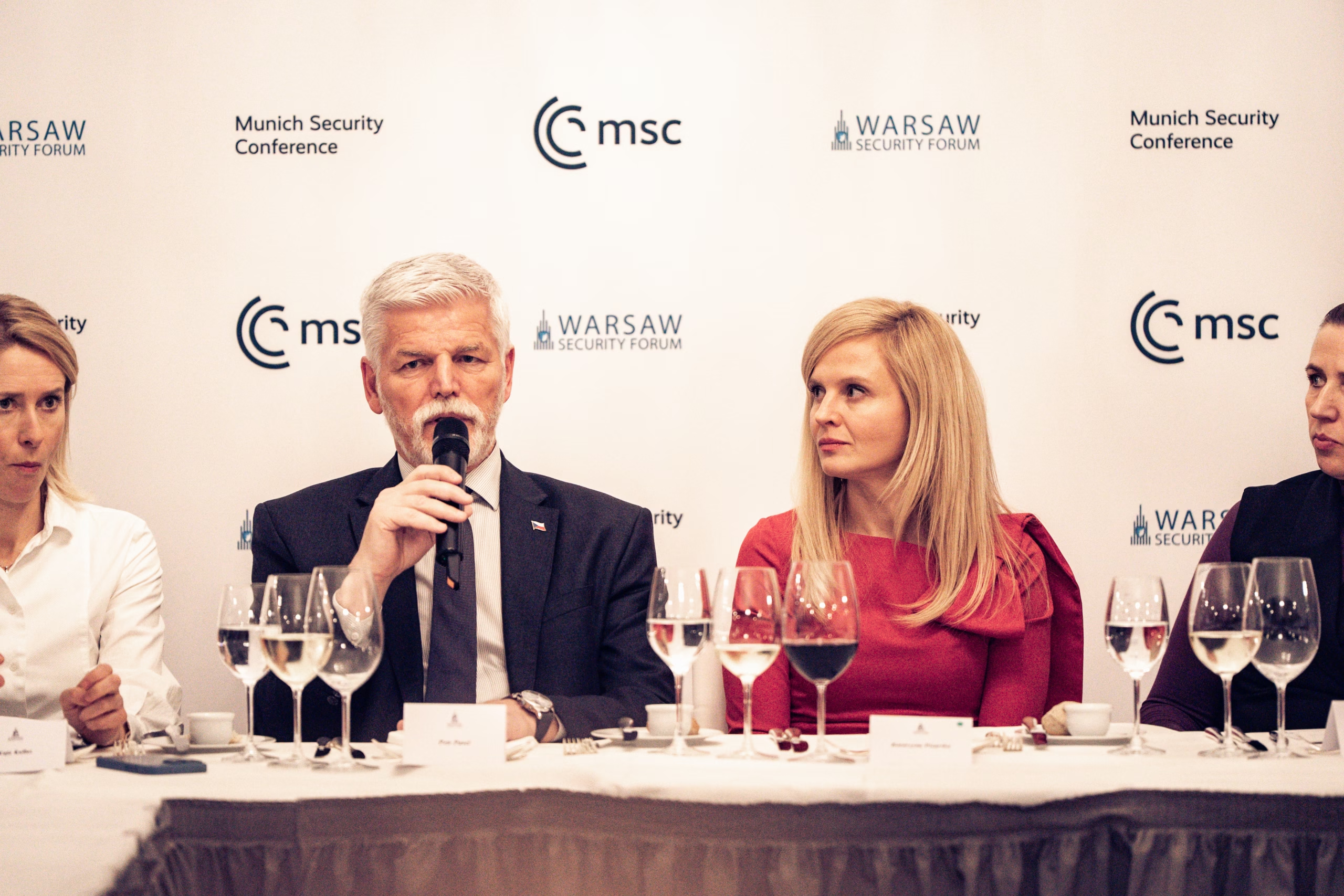
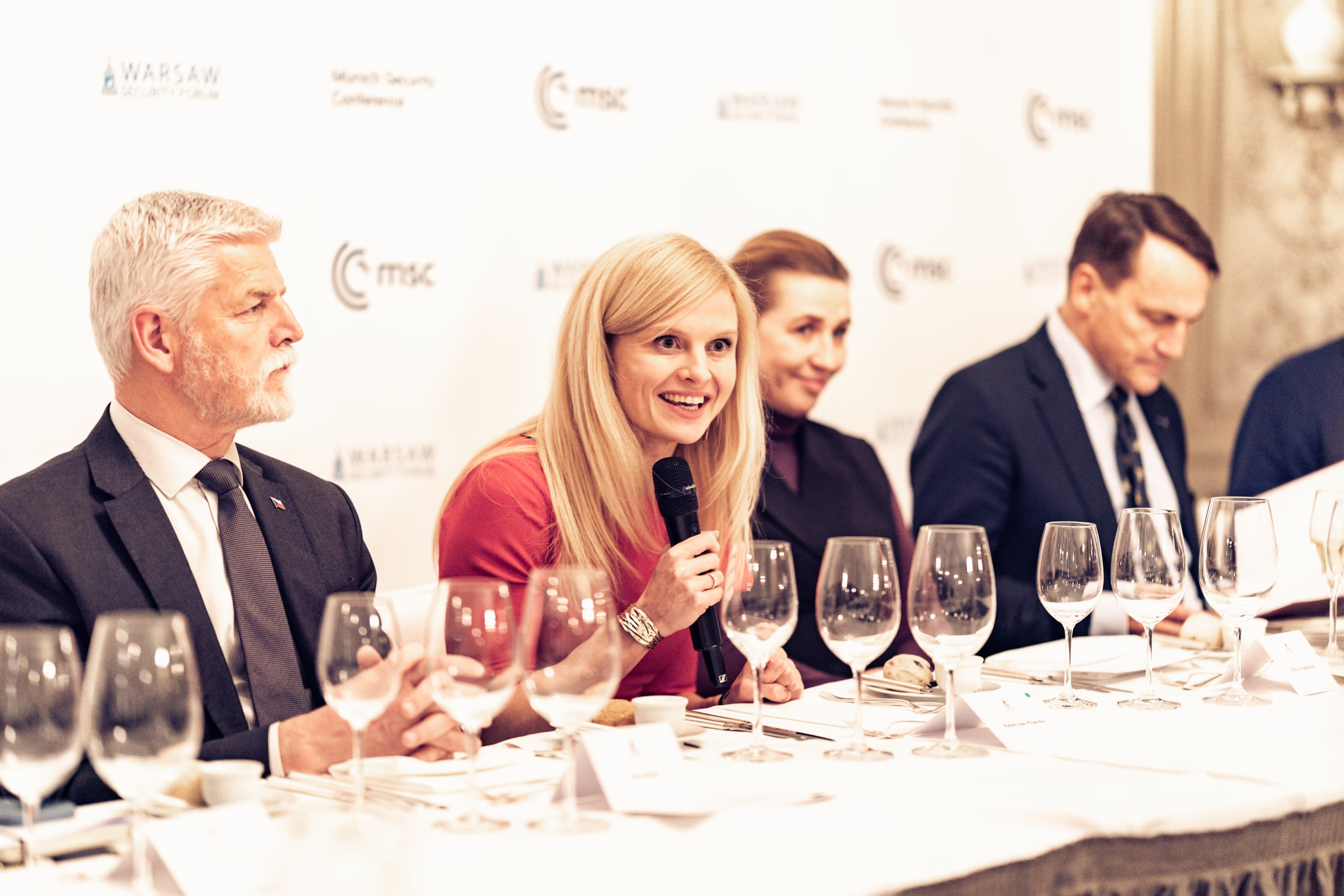
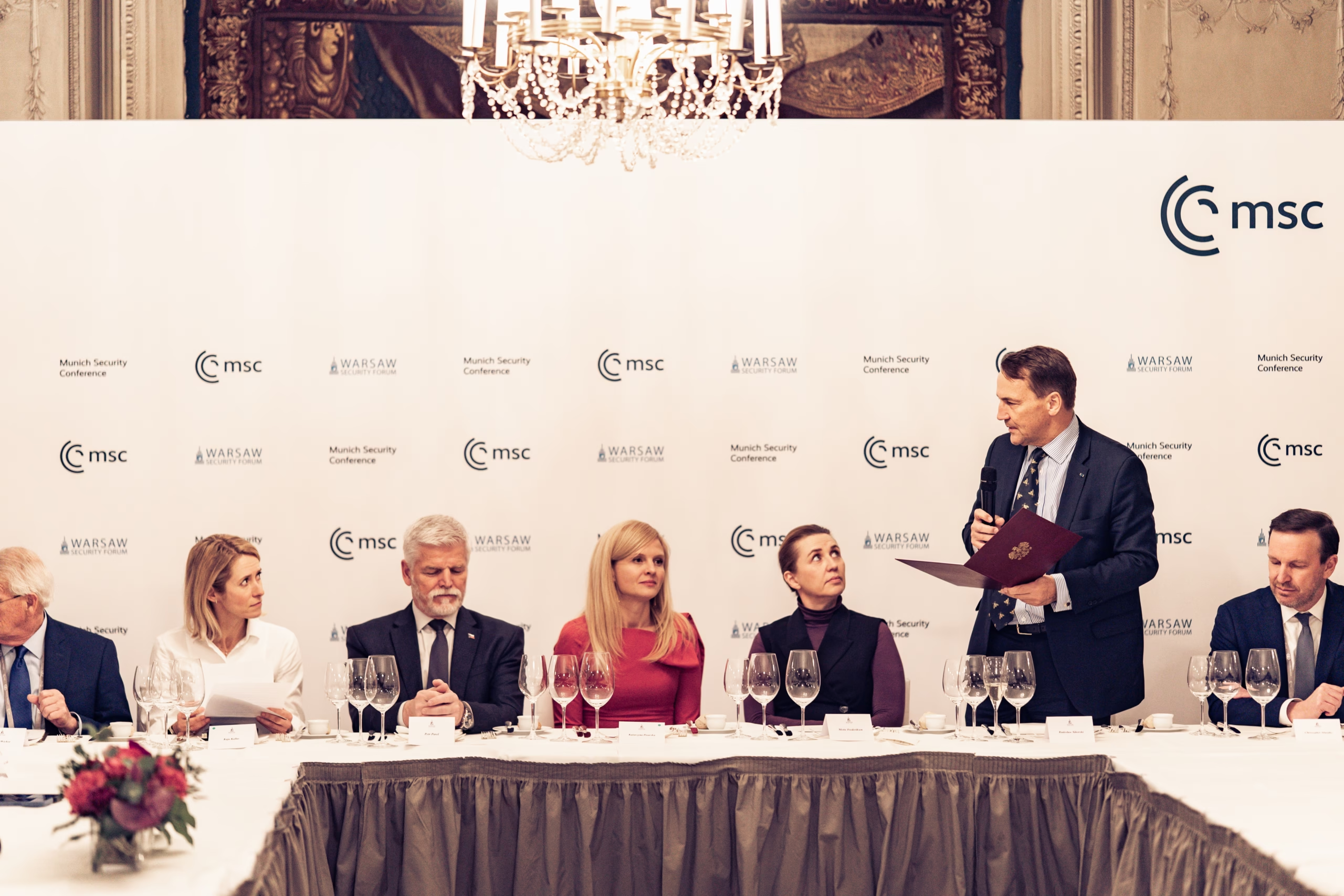
Warsaw Security Forum Closed-Door Dinner „No Time to Lose: Mapping Europe’s Chances to Win the War Before the War”

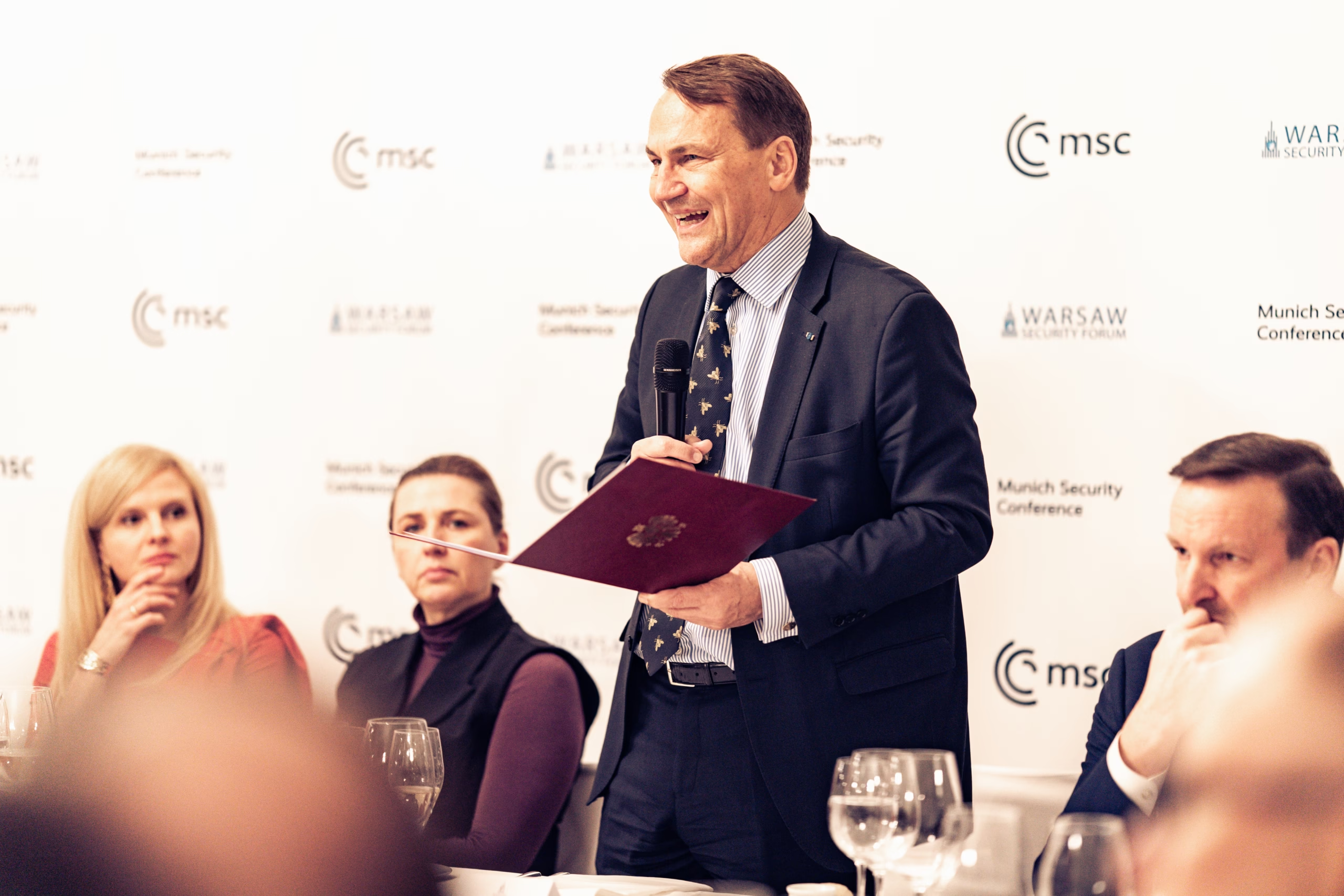
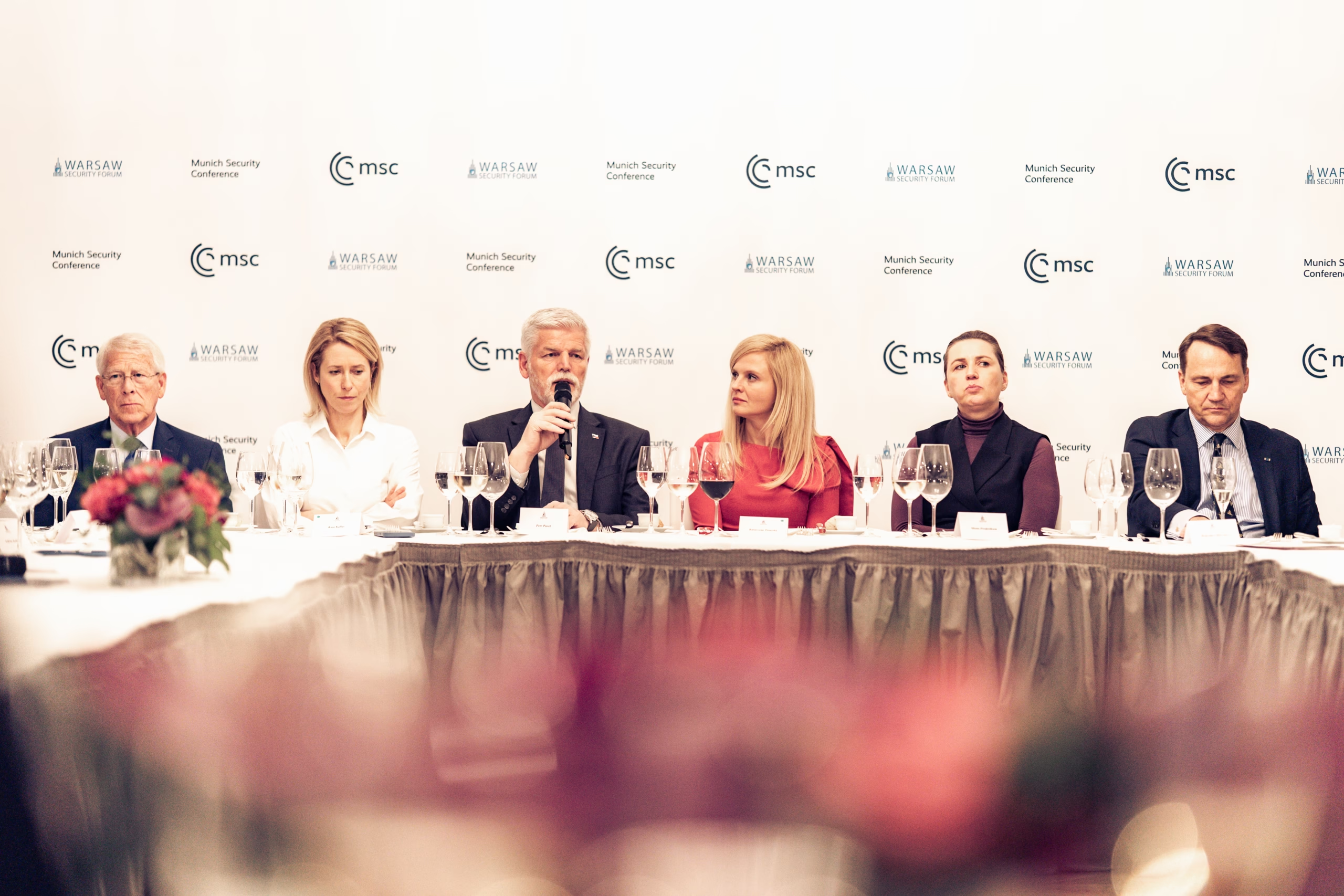
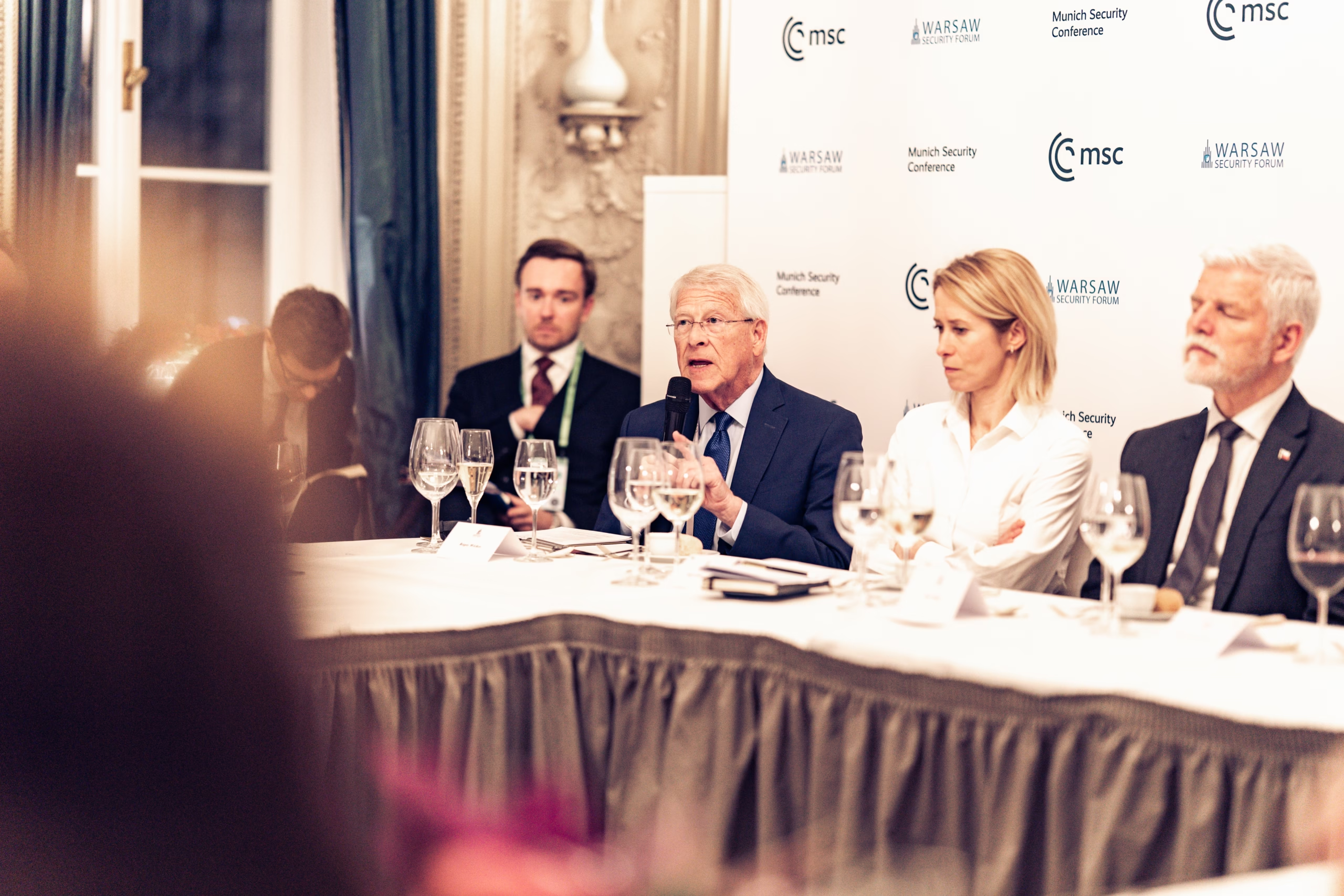
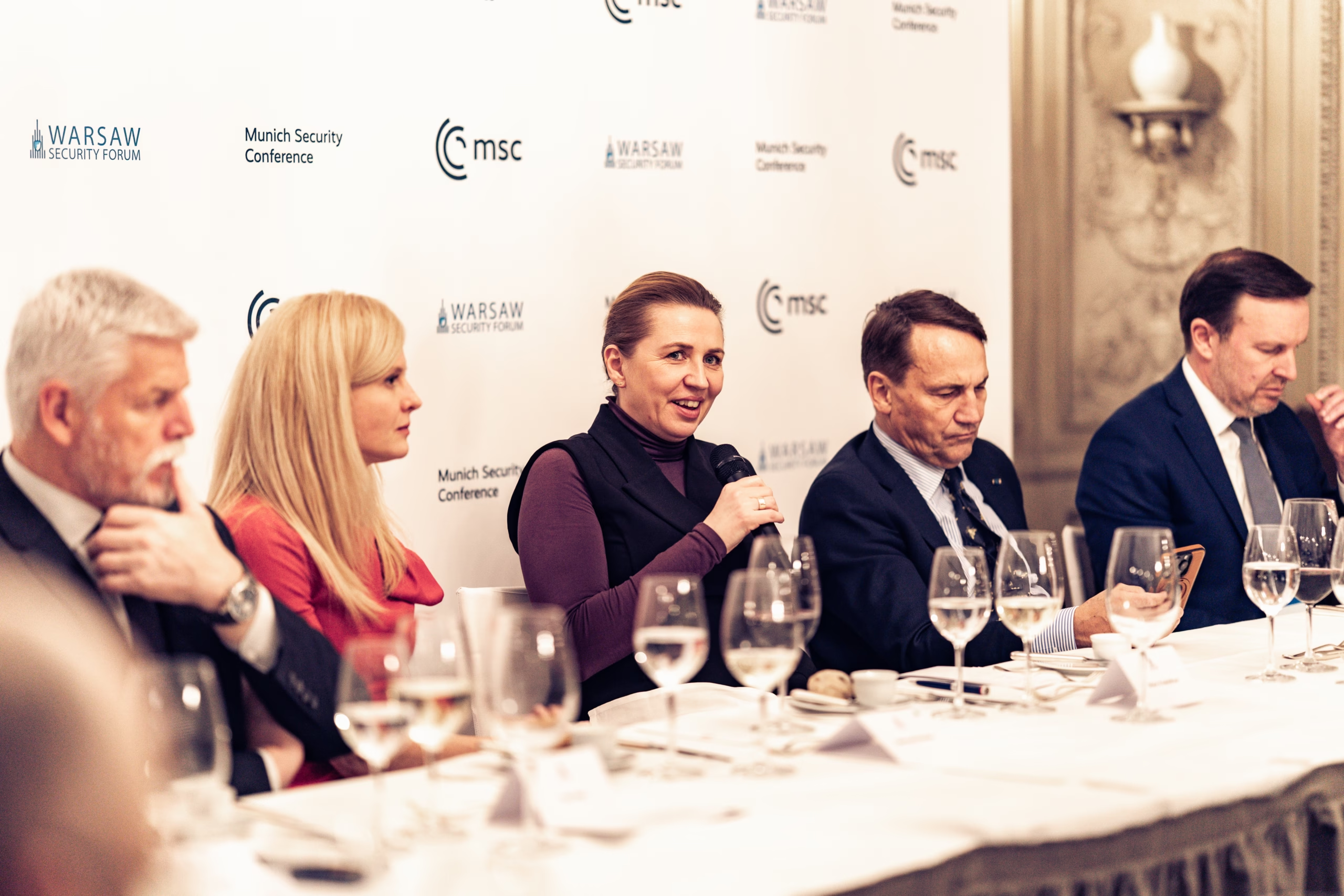
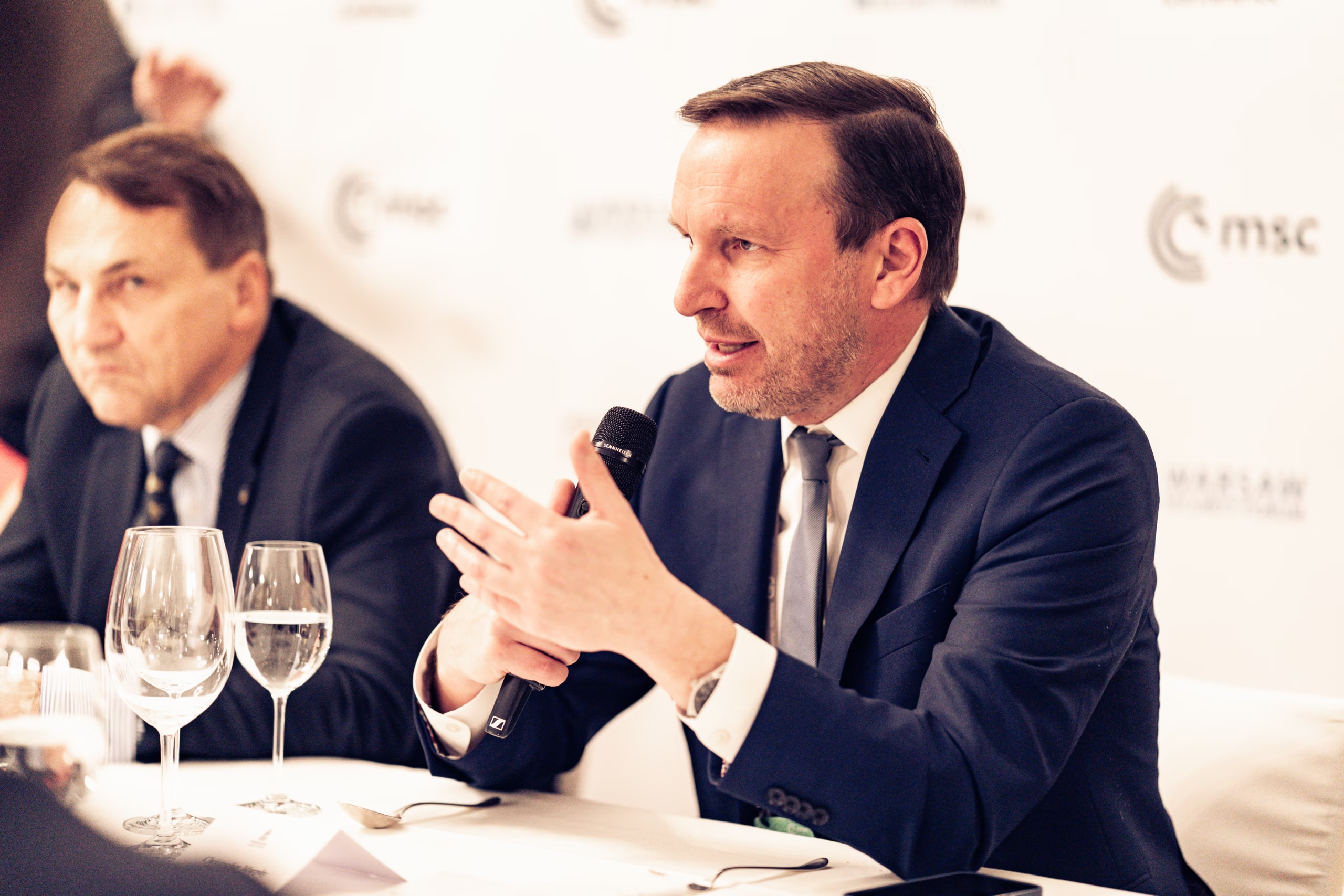
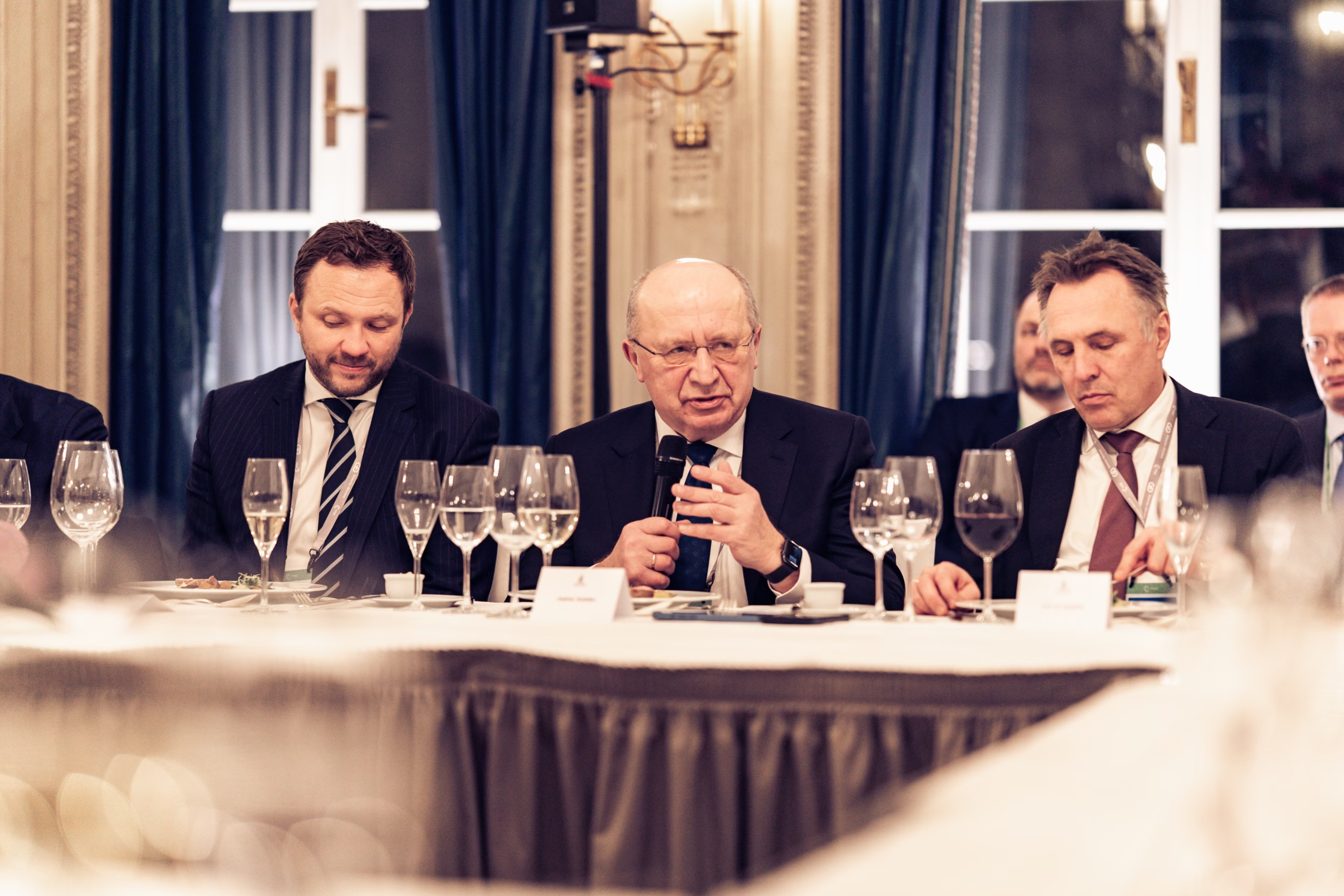
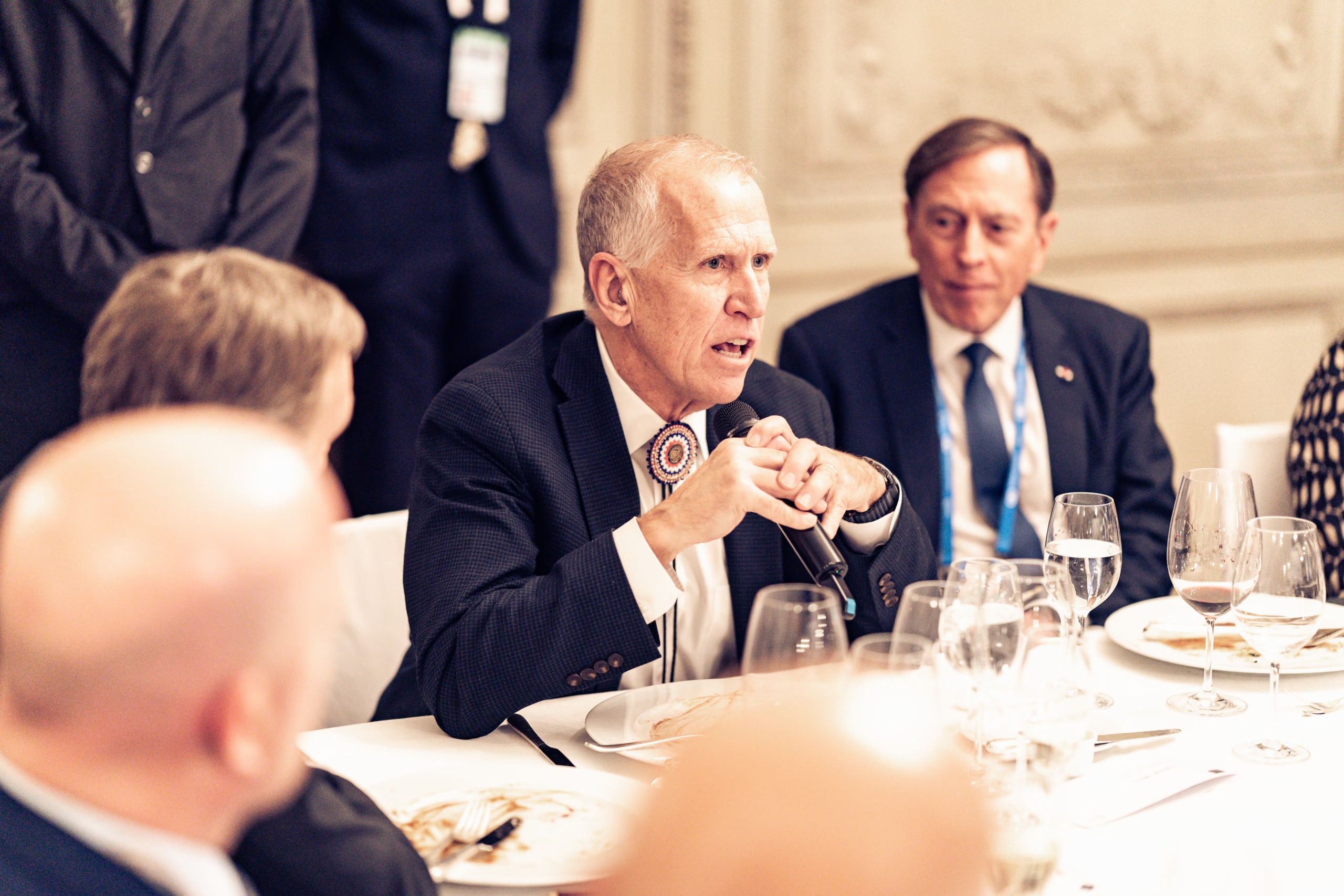
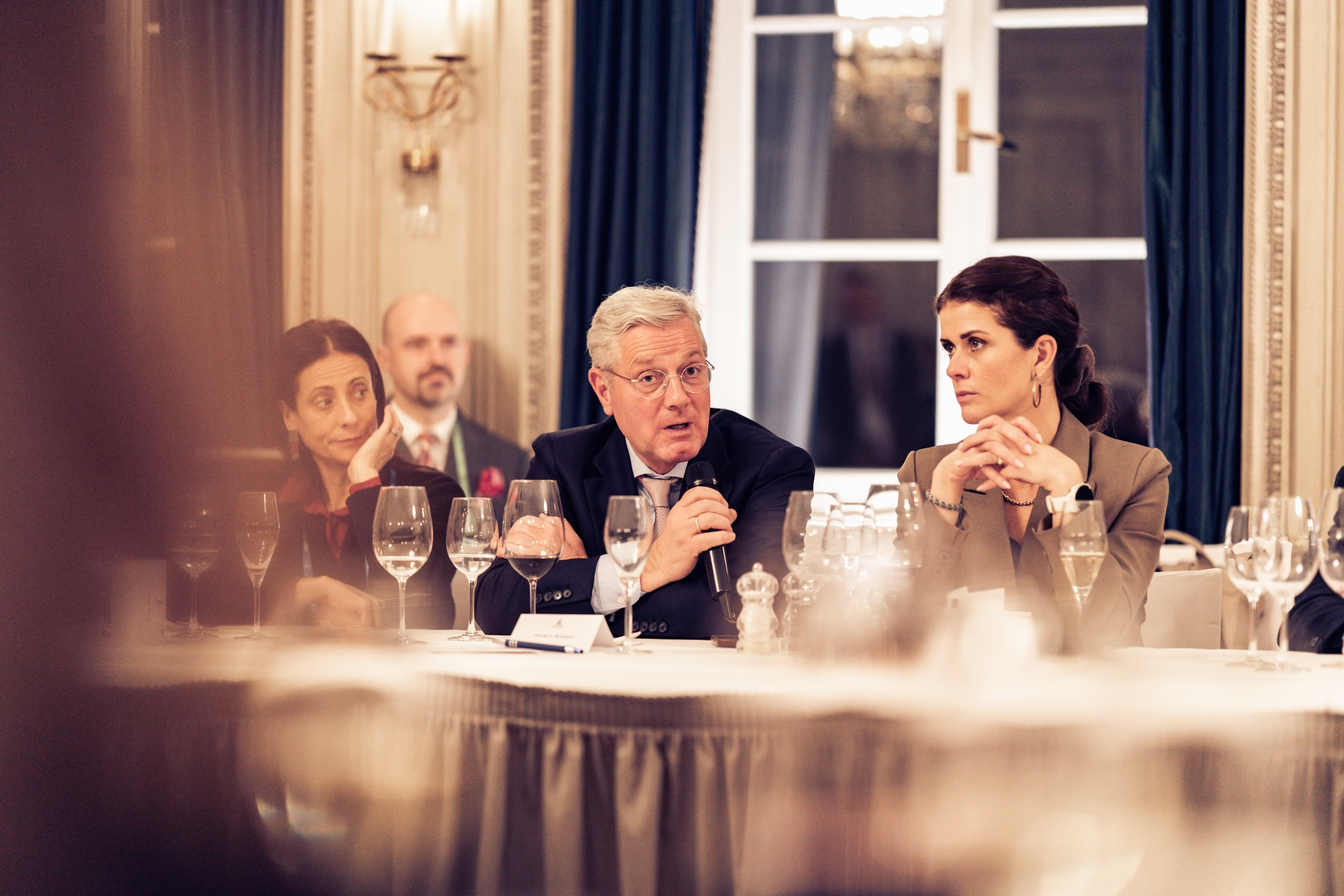
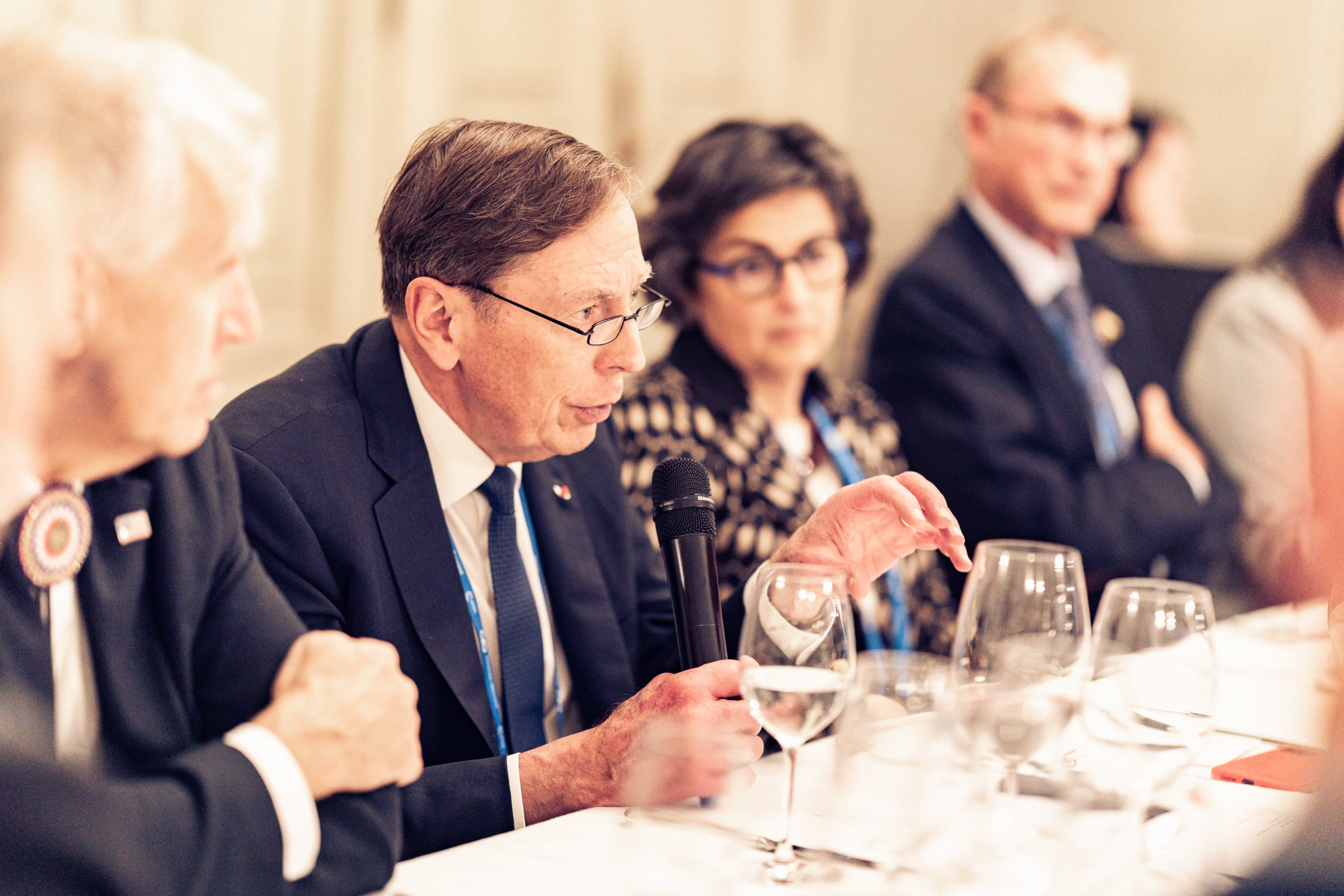
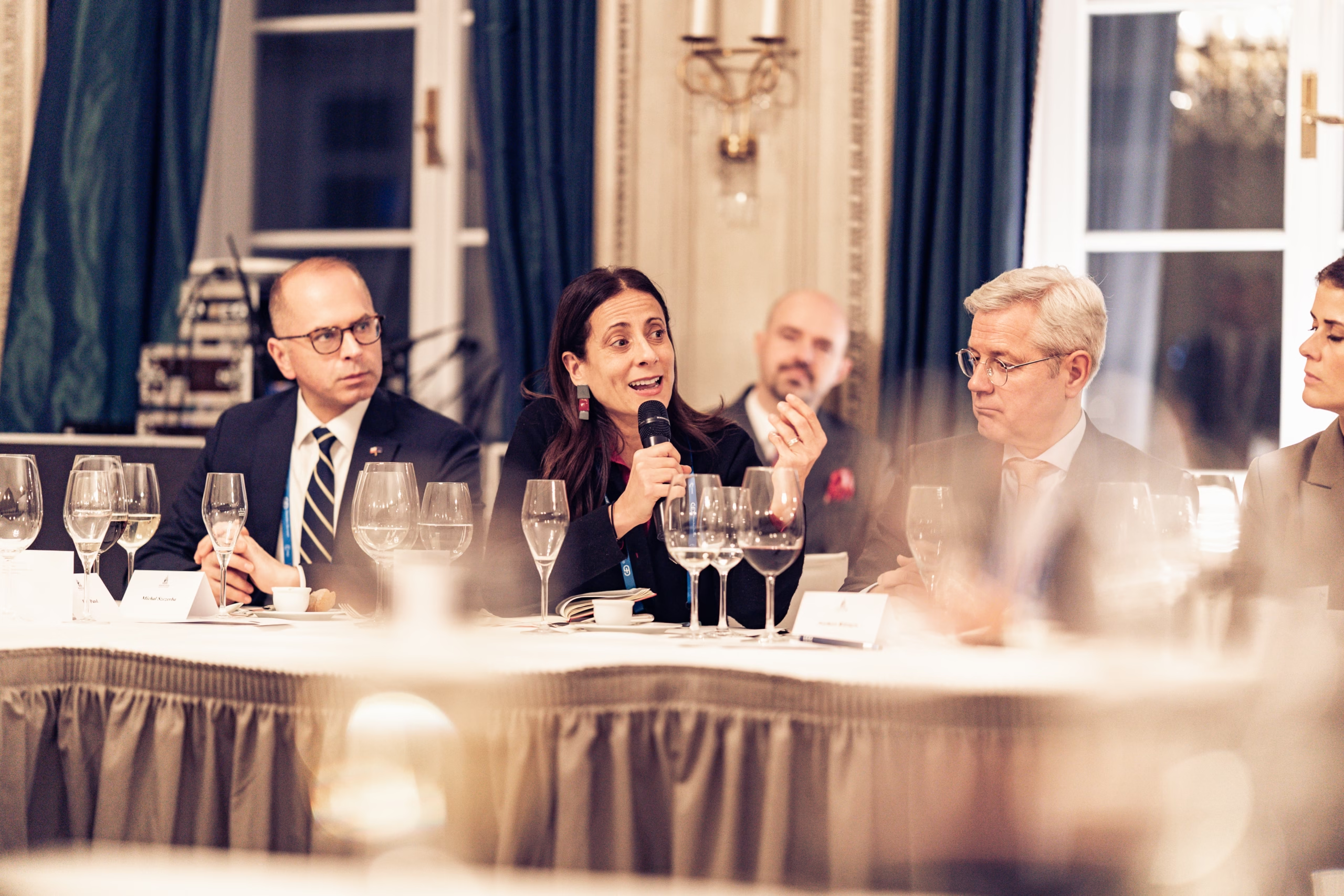
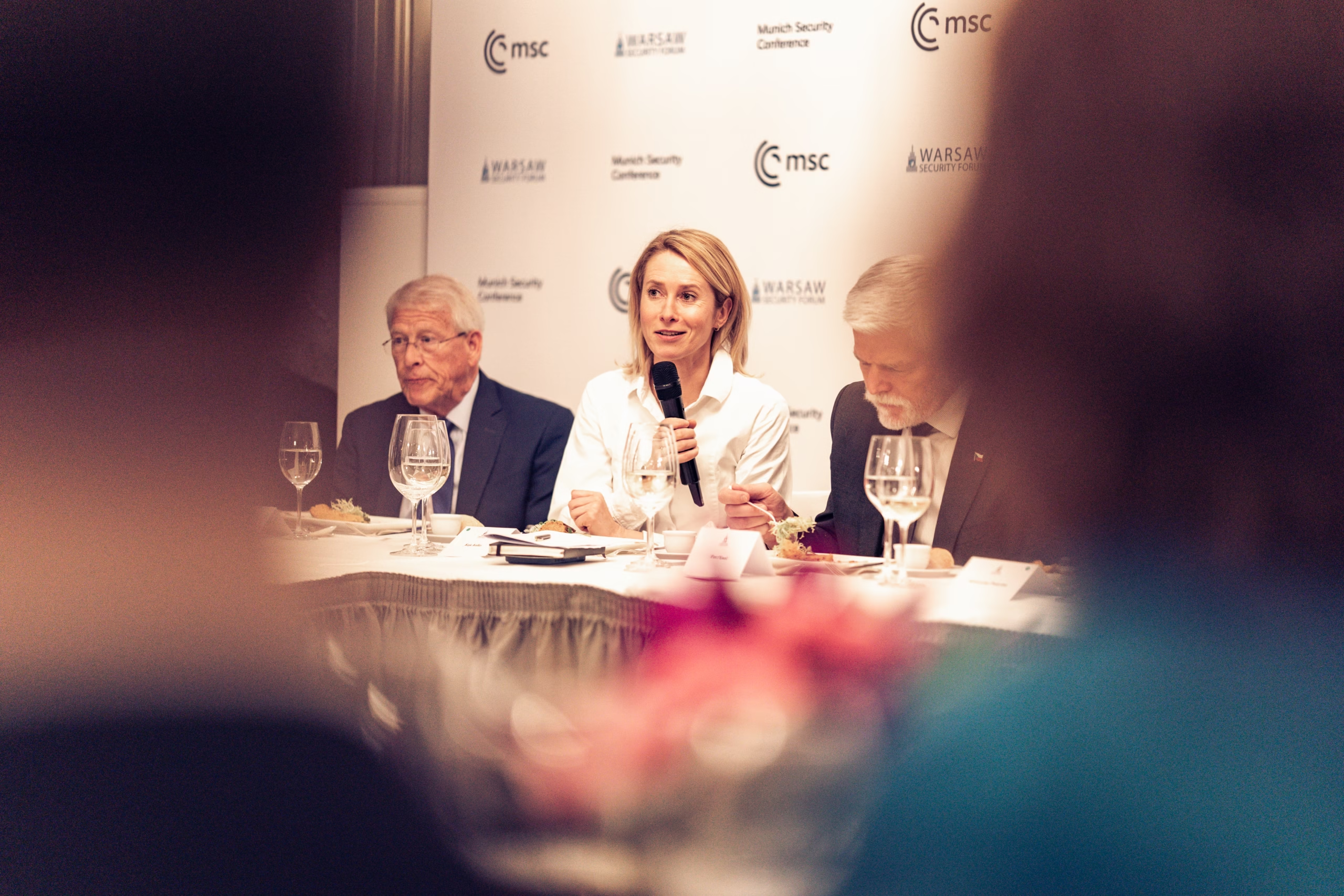
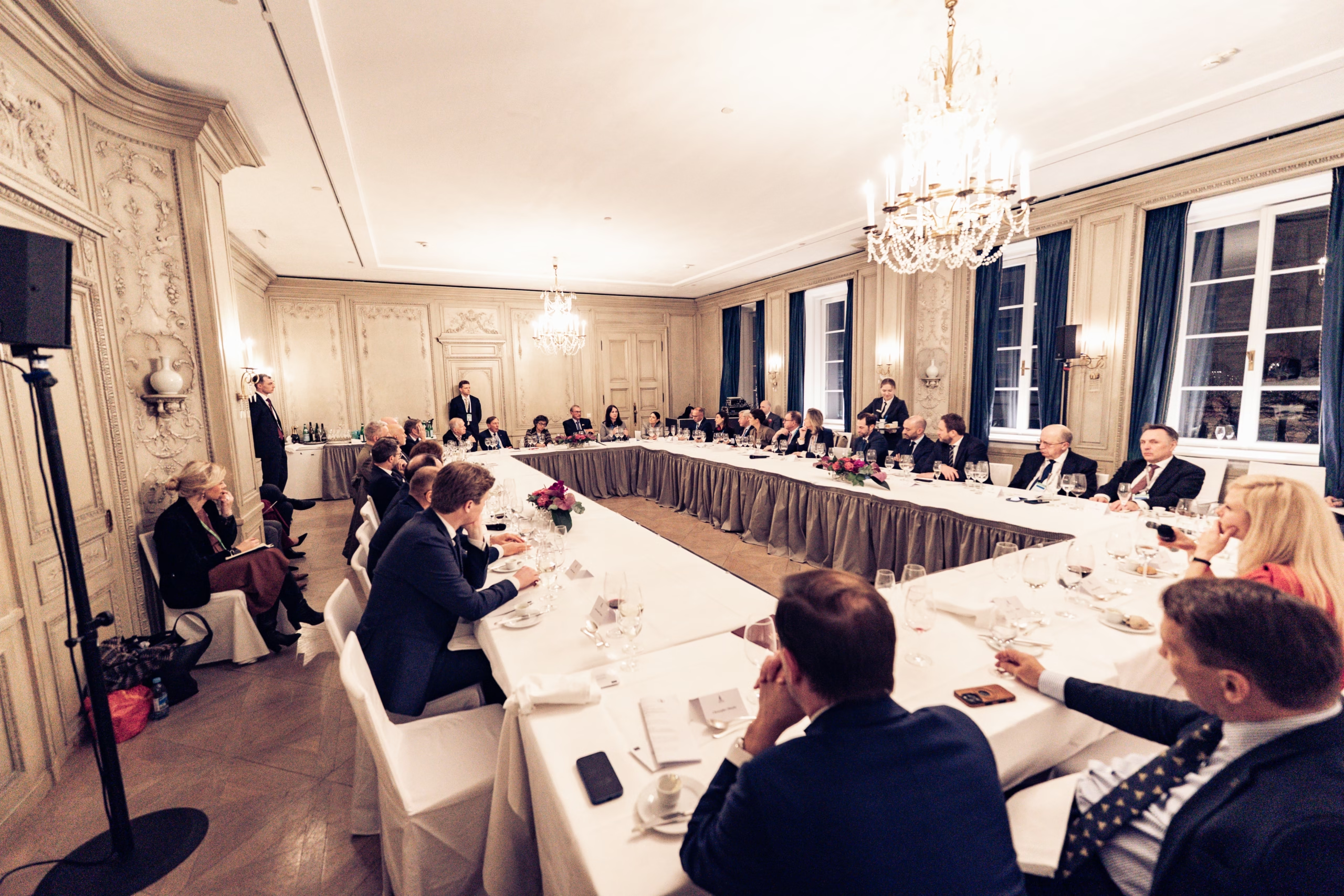
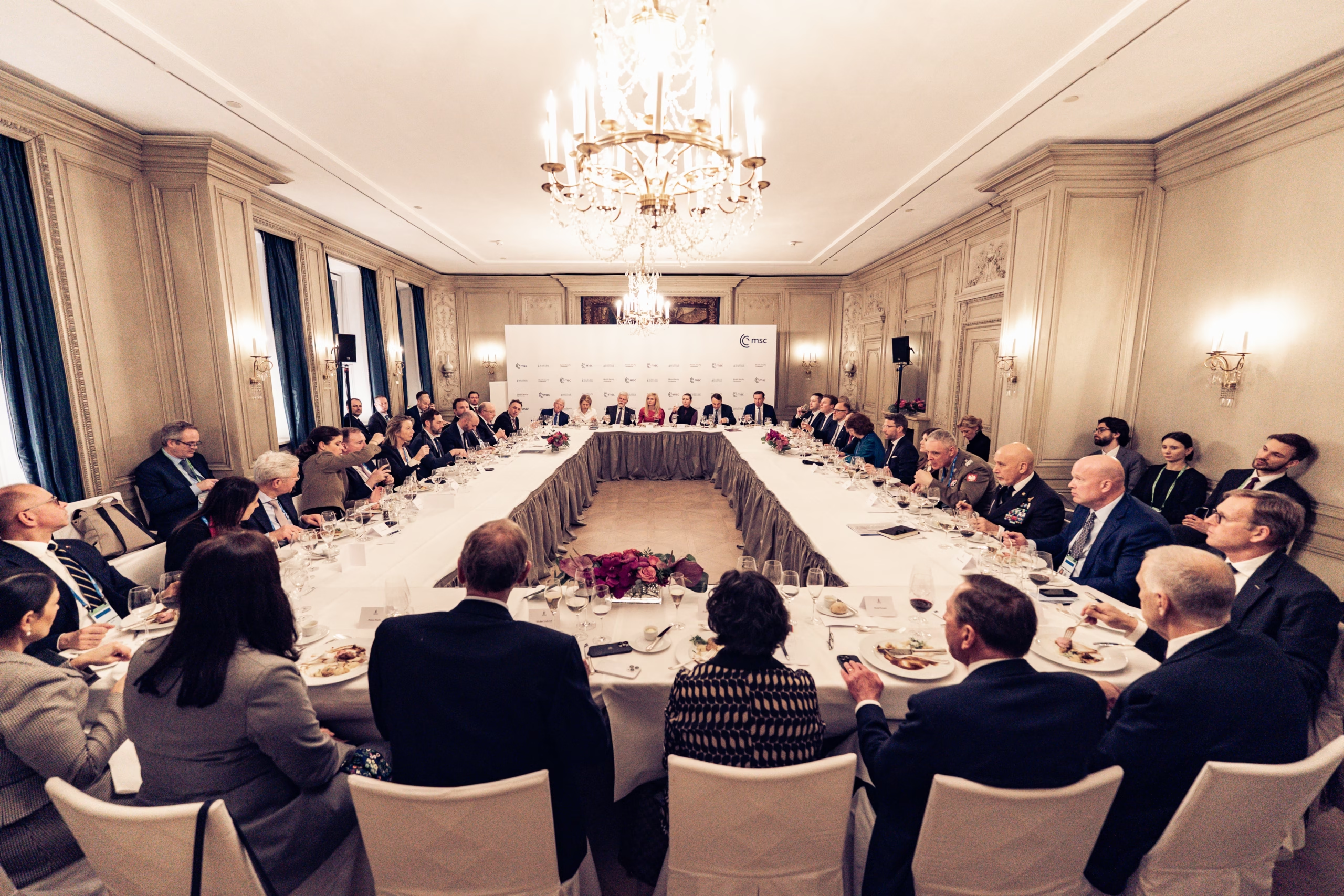
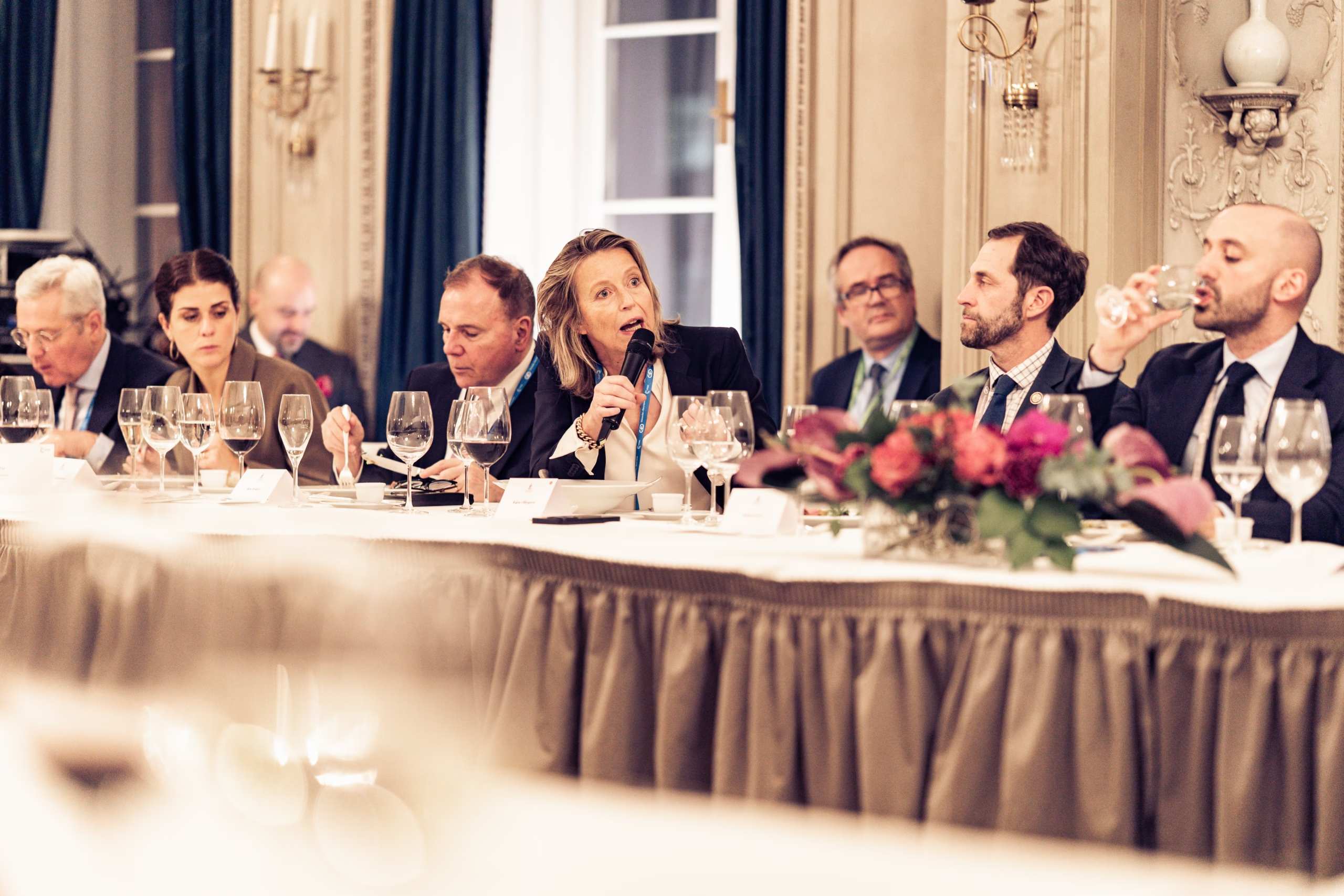
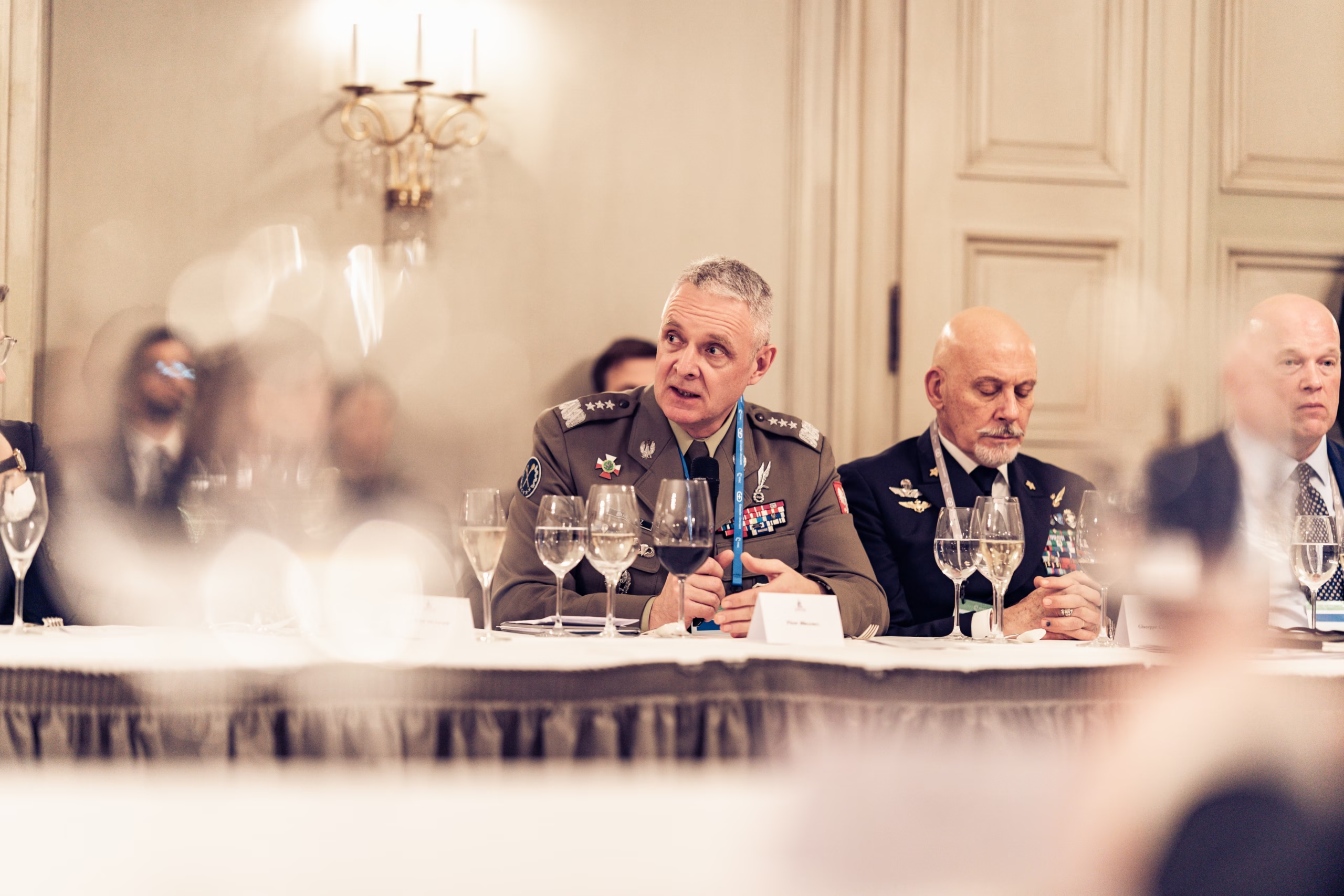
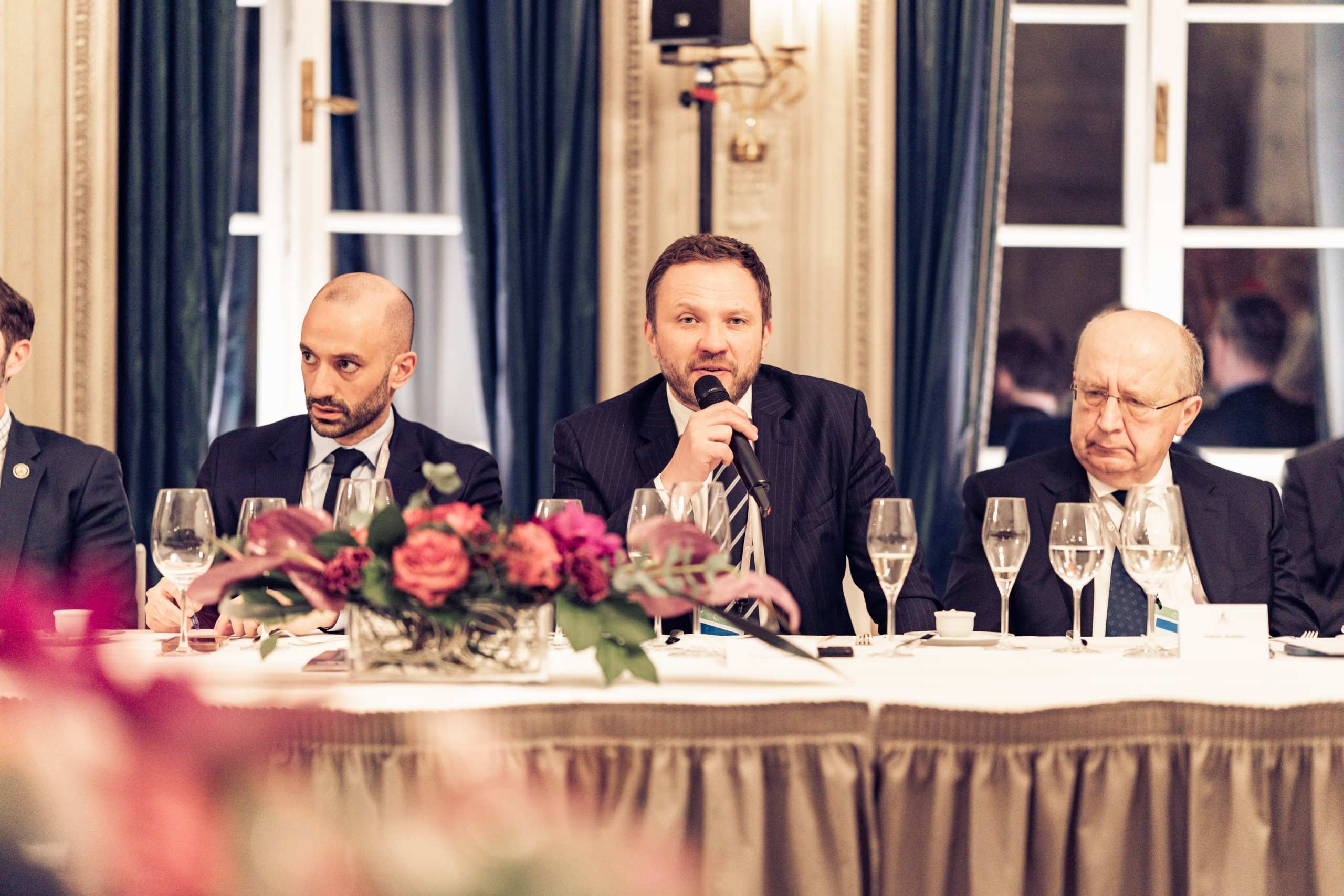
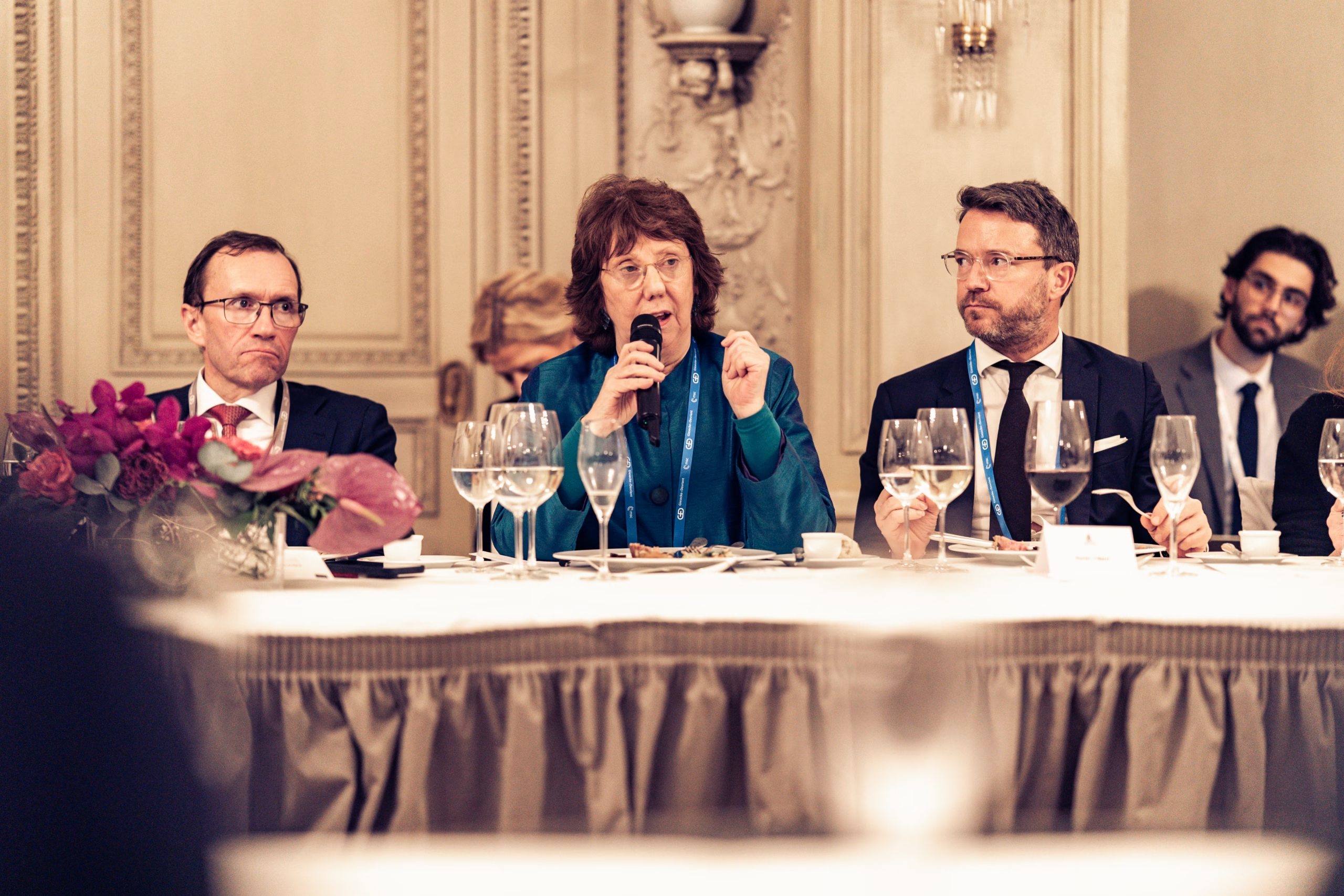
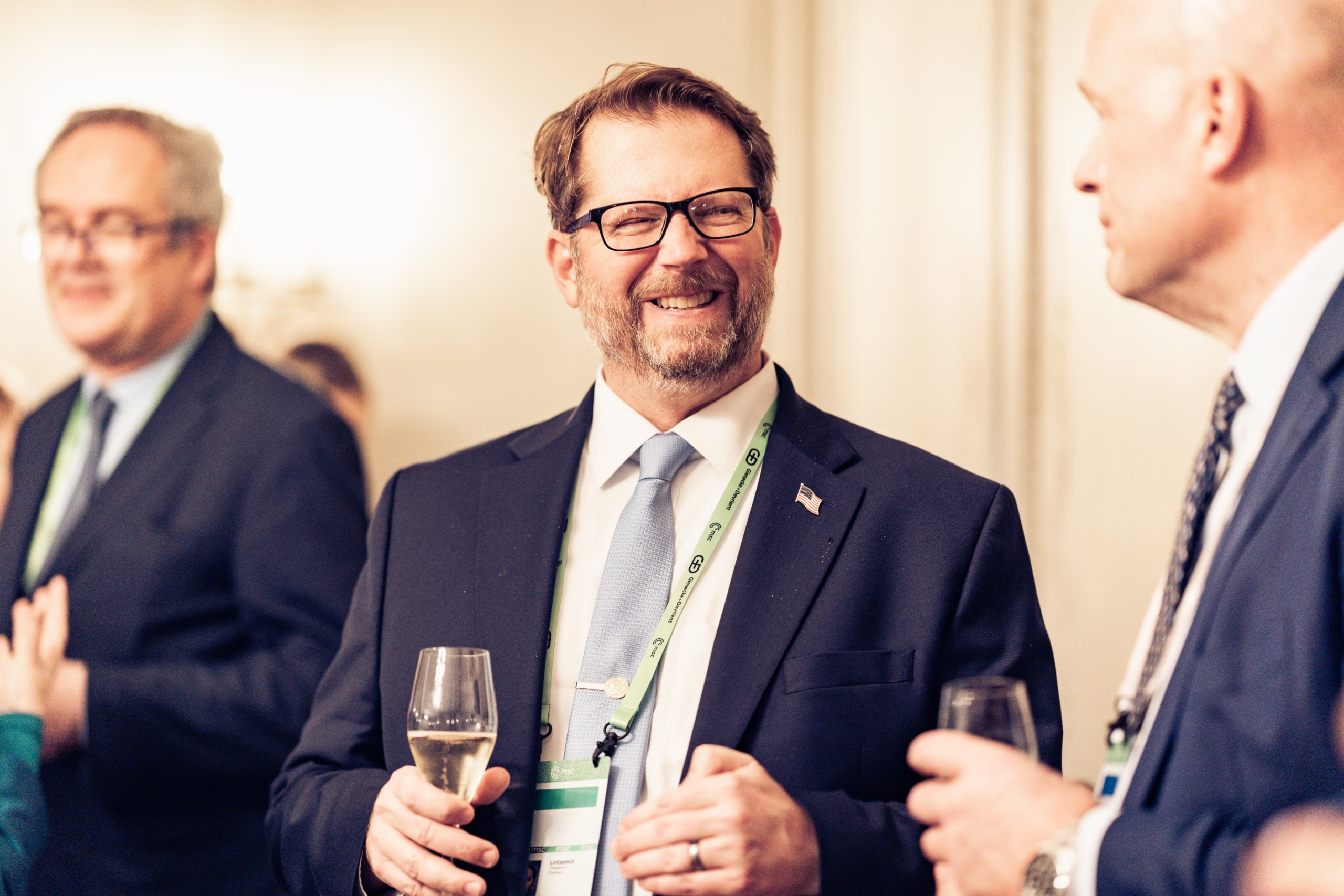
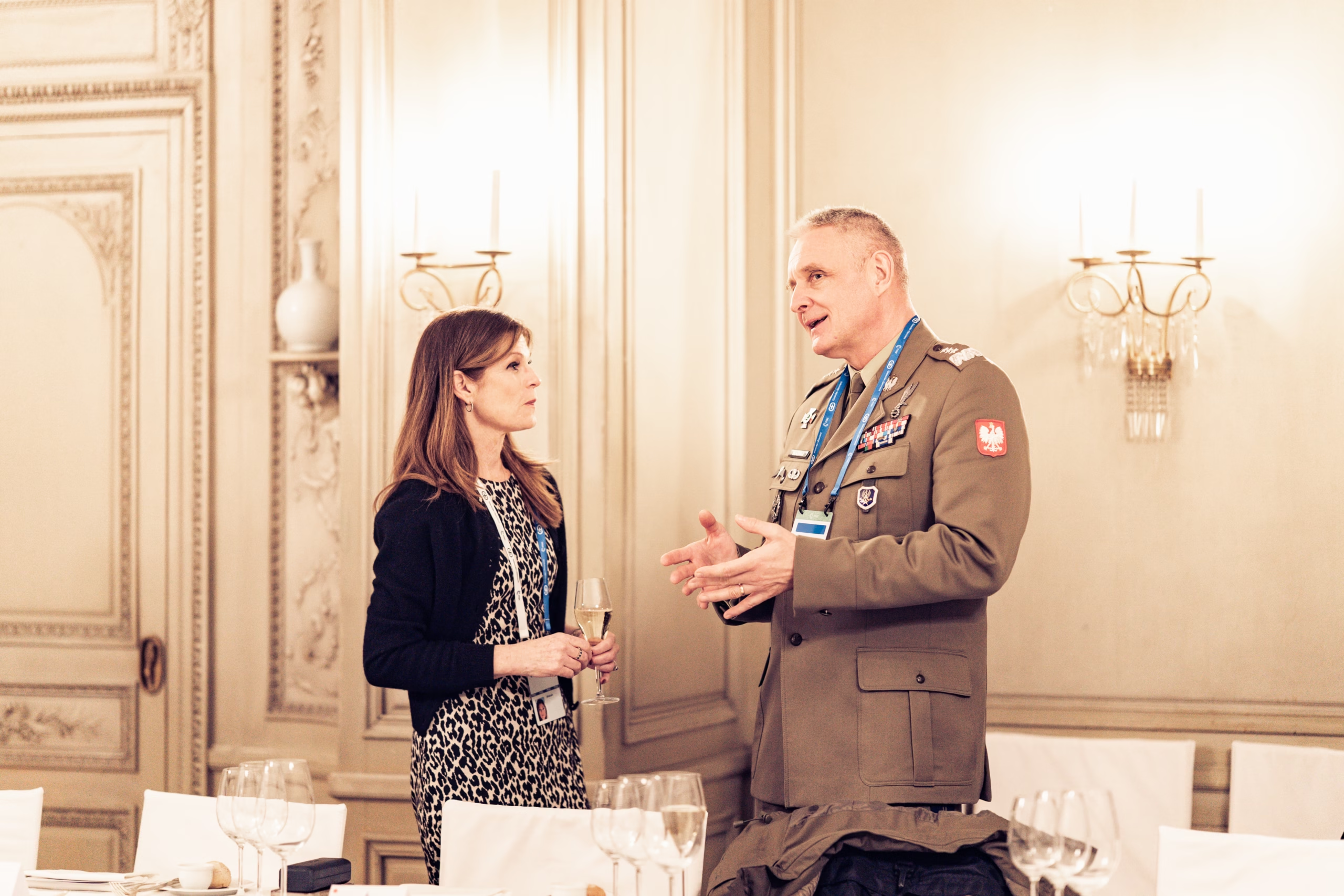
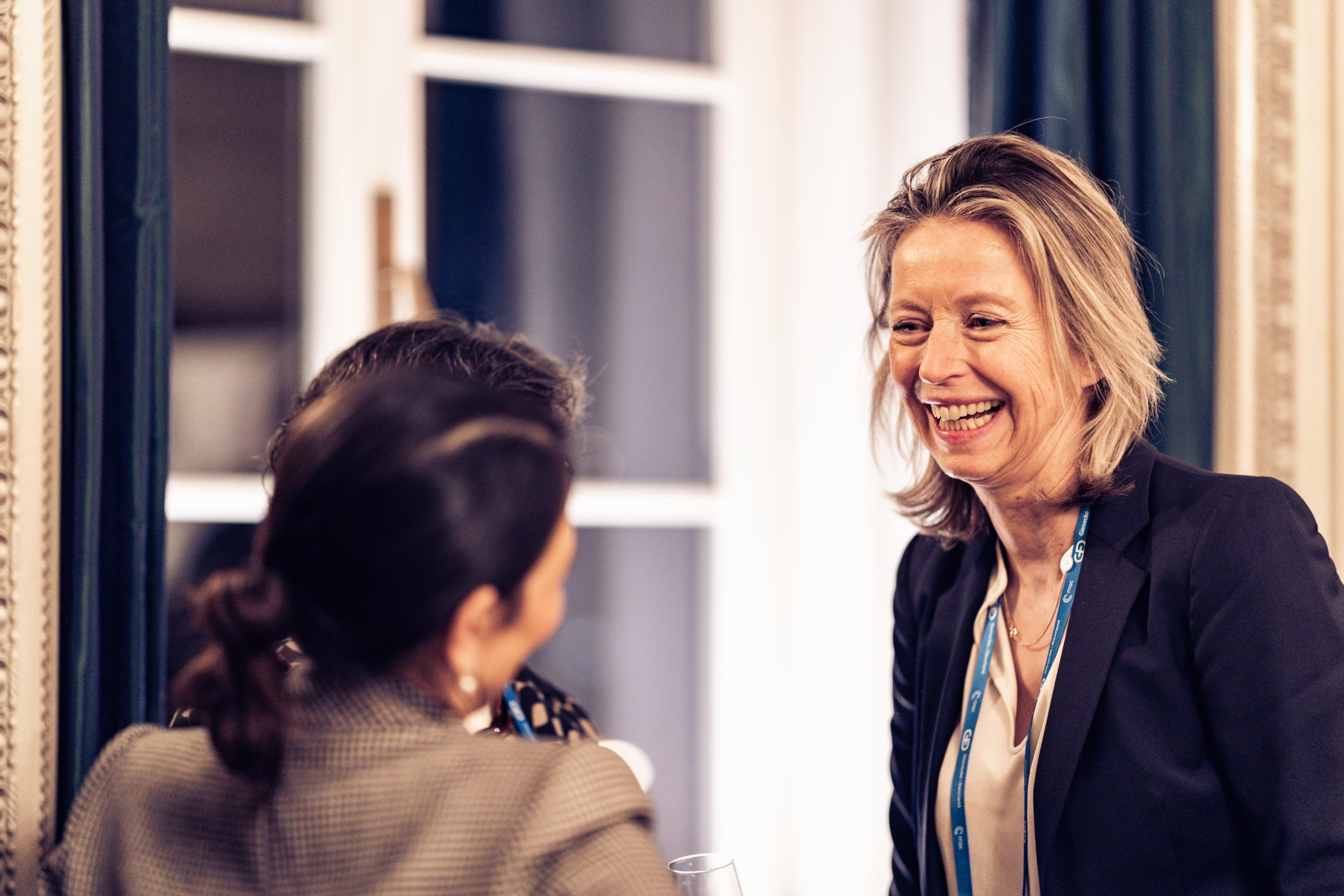
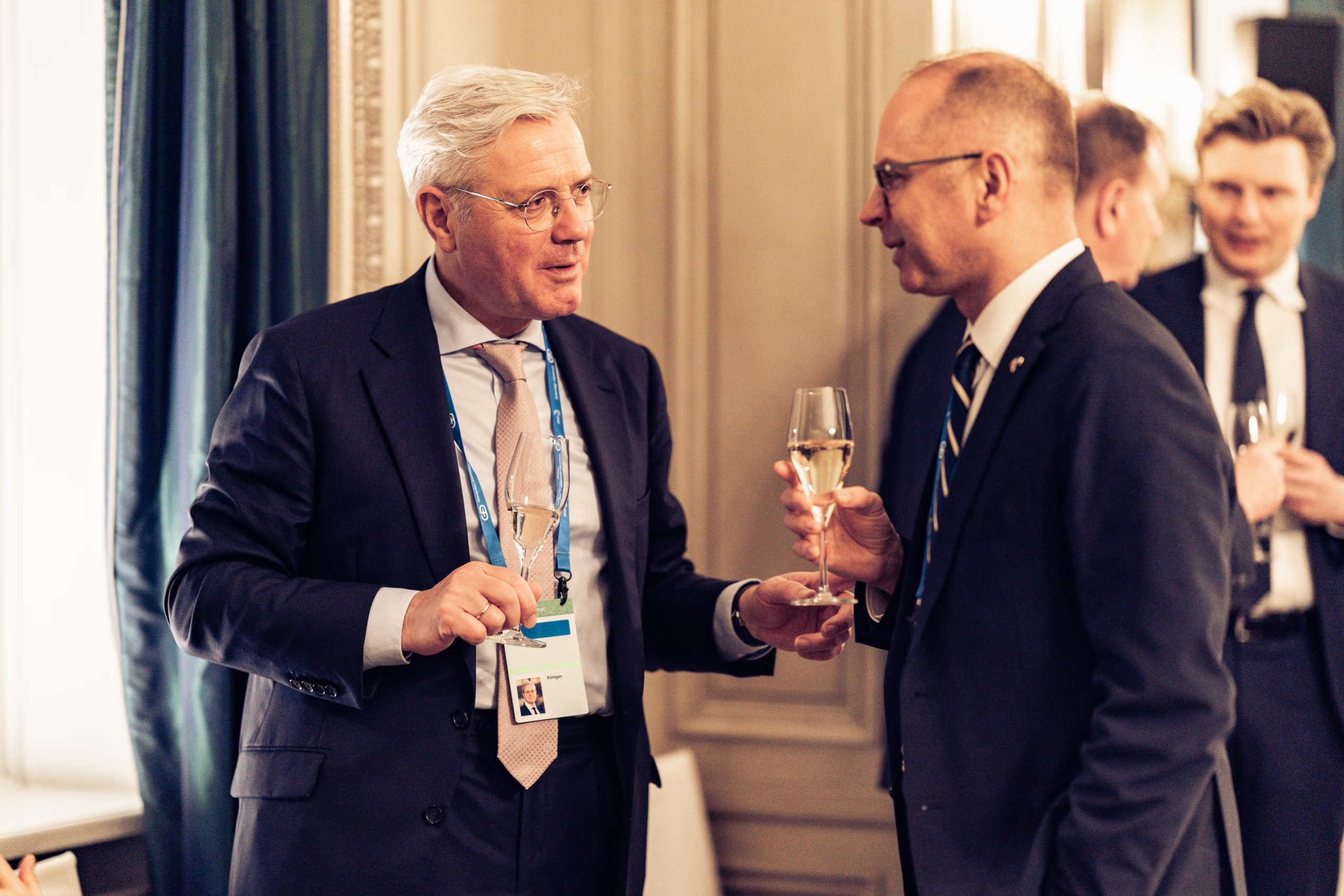
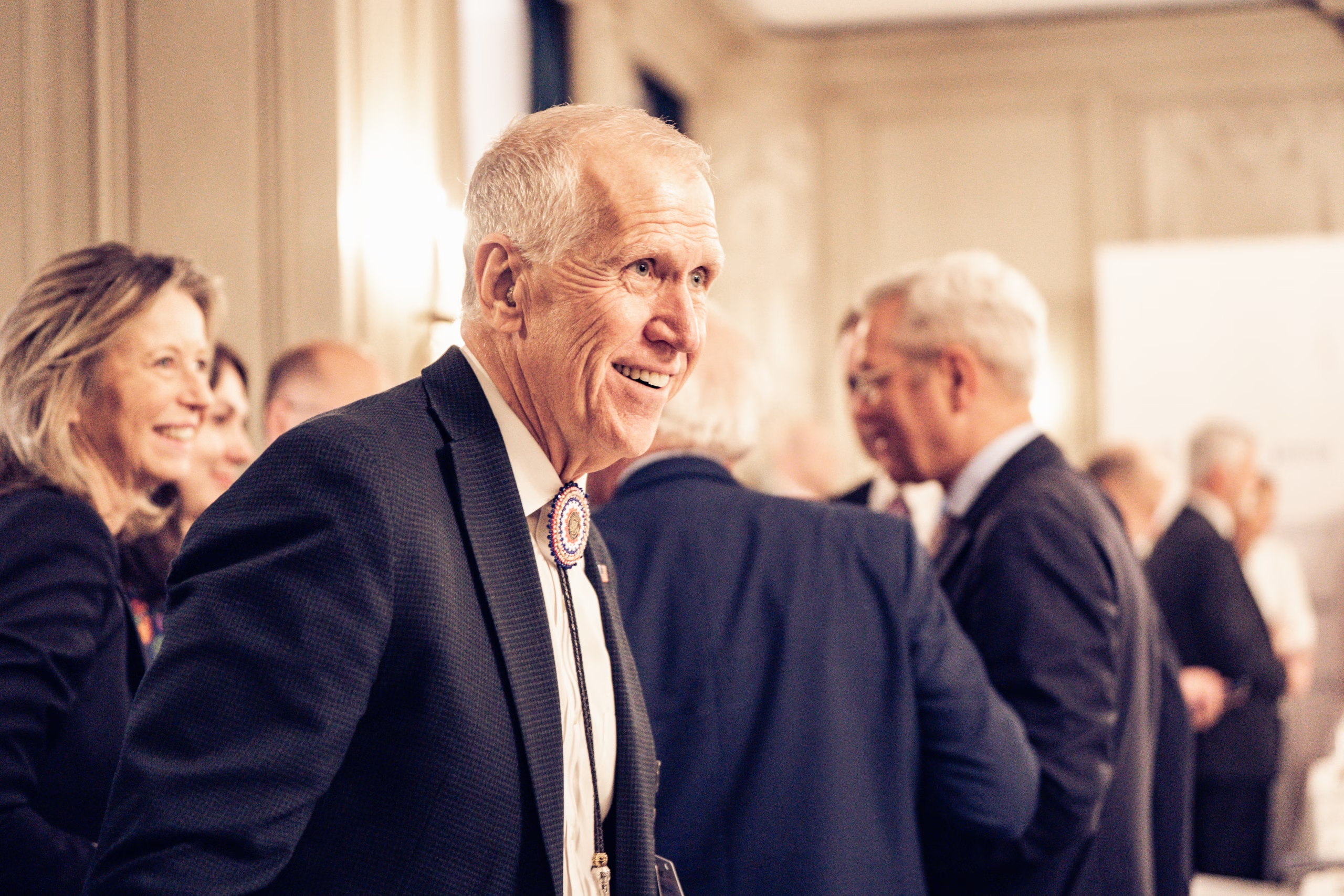
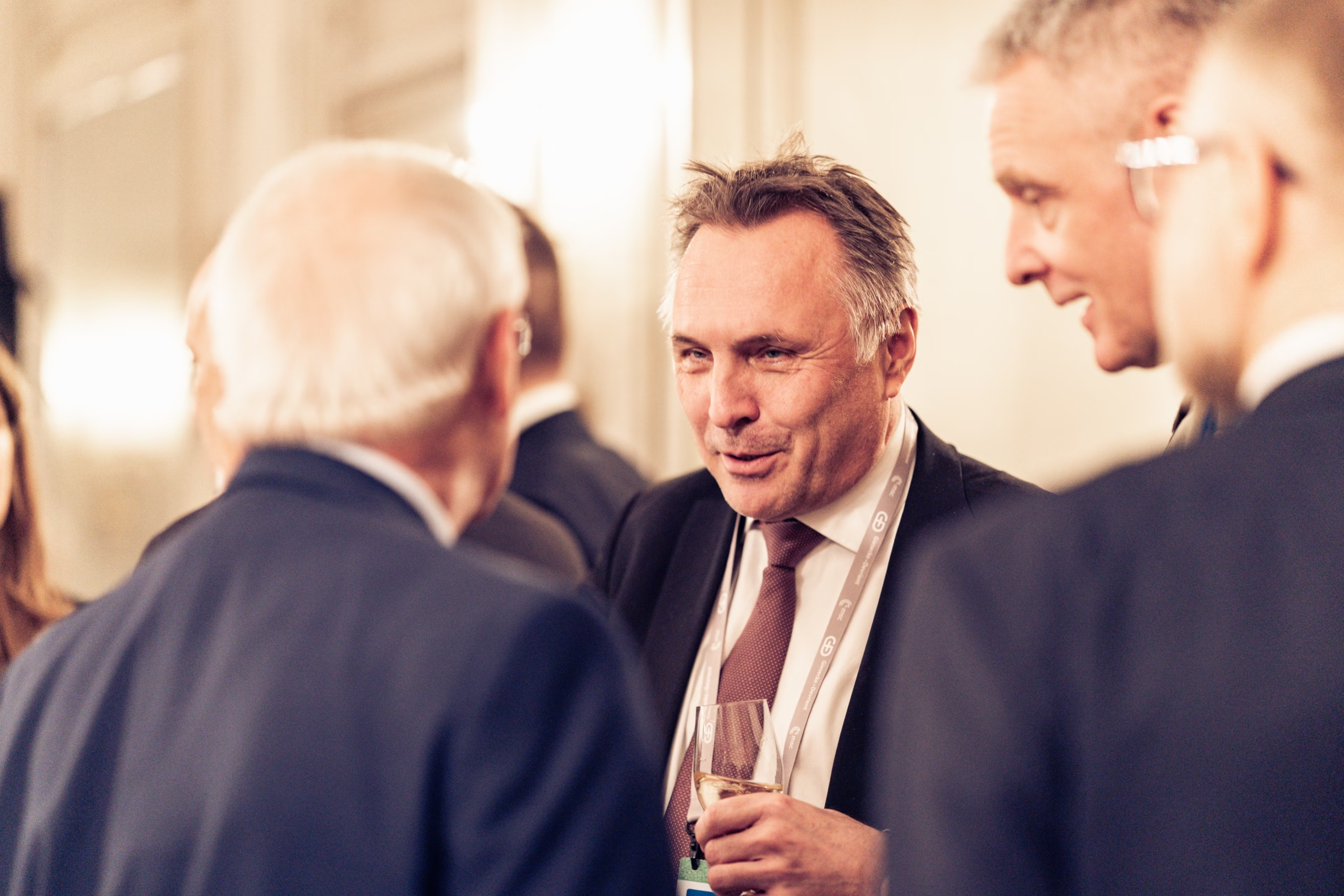
For the fourth consecutive year, on the margins of the Munich Security Conference, the Warsaw Security Forum convened senior leaders for a high-level, off-the-record dinner entitled “No Time to Lose: Mapping Europe’s Chances to Win the War Before the War.”
As an official #MSC2026 side-event, the dinner provided a trusted space for strategic
reflection on Europe’s security posture and the future of the transatlantic alliance.

The discussion gathered over 30 senior political and security leaders, including:

  • Petr Pavel, President of the Czech Republic
  • Mette Frederiksen, Prime Minister of Denmark
  • Kaja Kallas, Vice-President and High Representative of the European Commission
  • Roger Wicker, U.S. Senator, Chairman of the Senate Committee on Armed Services
  • Christopher Murphy, U.S. Senator, Member of the Senate Foreign Relations
    Committee


The dinner was opened by Poland’s Deputy Prime Minister, Minister of Foreign Affairs, Radosław Sikorski.

Key takeaways from the Dinner

Deterrence over illusions

Only credible deterrence can prevent a wider war. Premature ceasefires or unsustainable
peace deals would merely give Russia time to regroup and rearm.

Europeanising responsibility

Europe must sustain long-term increases in defence spending, accelerate joint procurement,
and expand its defence industrial base. NATO’s credibility depends on Europe carrying
greater military and political responsibility.

Ukraine as the frontline of European security

Continued military support for Ukraine remains indispensable, including air and missile
defence, strike capabilities, and the protection of critical energy infrastructure. Ukraine’s
defence is Europe’s first line of defence.

Raising the cost for Russia

With Russia’s economy stagnating and limited battlefield progress, economic pressure must
be intensified. This includes closing sanctions loopholes, tightening restrictions on energy
exports, and advancing decisions on the strategic use of frozen Russian assets.

Strategic coherence and decision-making

Europe must think and act strategically – treating enlargement and Ukraine’s integration as
geopolitical tools, speaking with one voice internally and across the Atlantic, and adapting
EU and NATO decision-making to avoid paralysis.

From consensus to execution

Agreement is not the problem – implementation is. A durable peace will not emerge from
wishful thinking, but from resolve, unity, and sustained action.
Gallery