14/02/2026

Munich, Germany

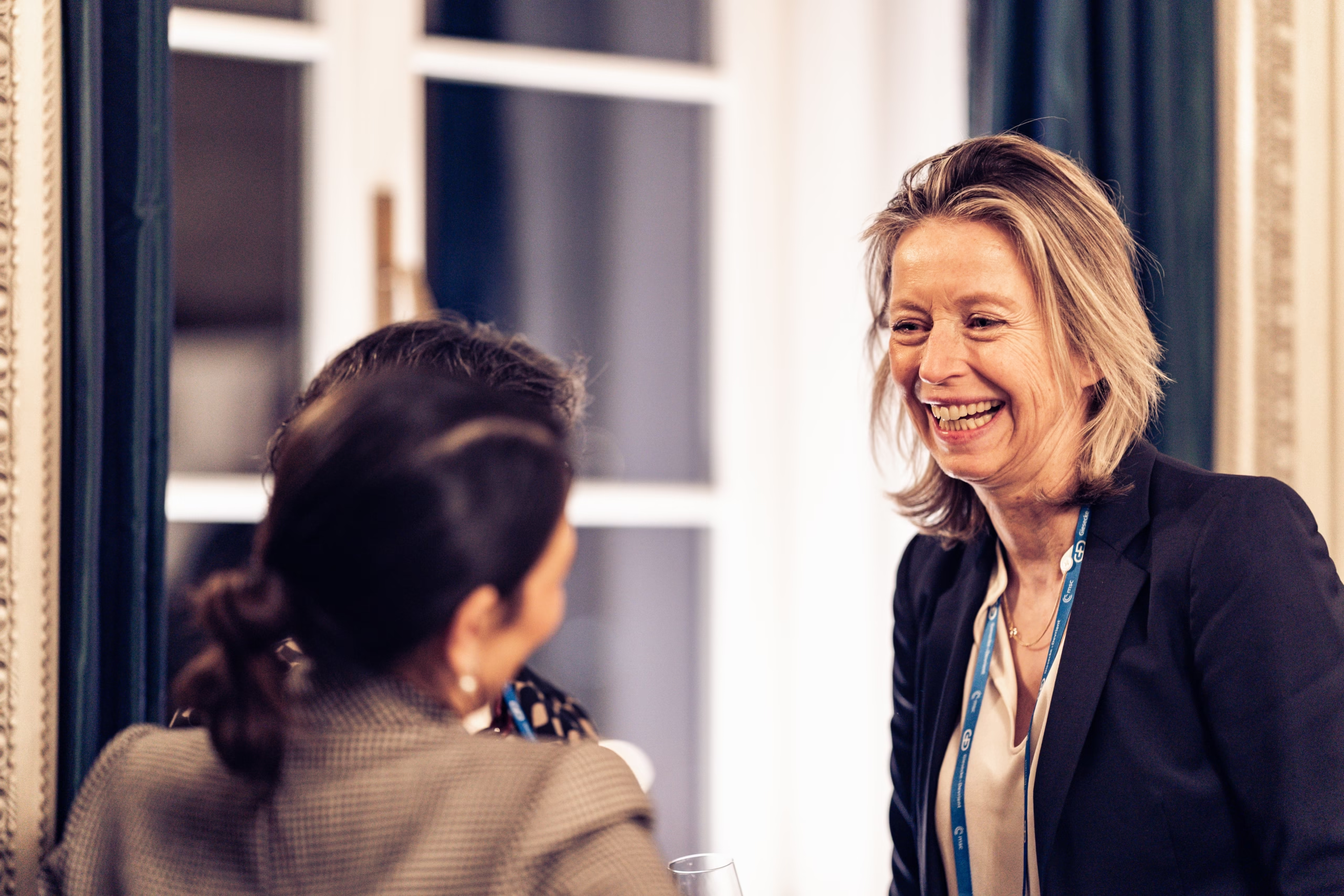
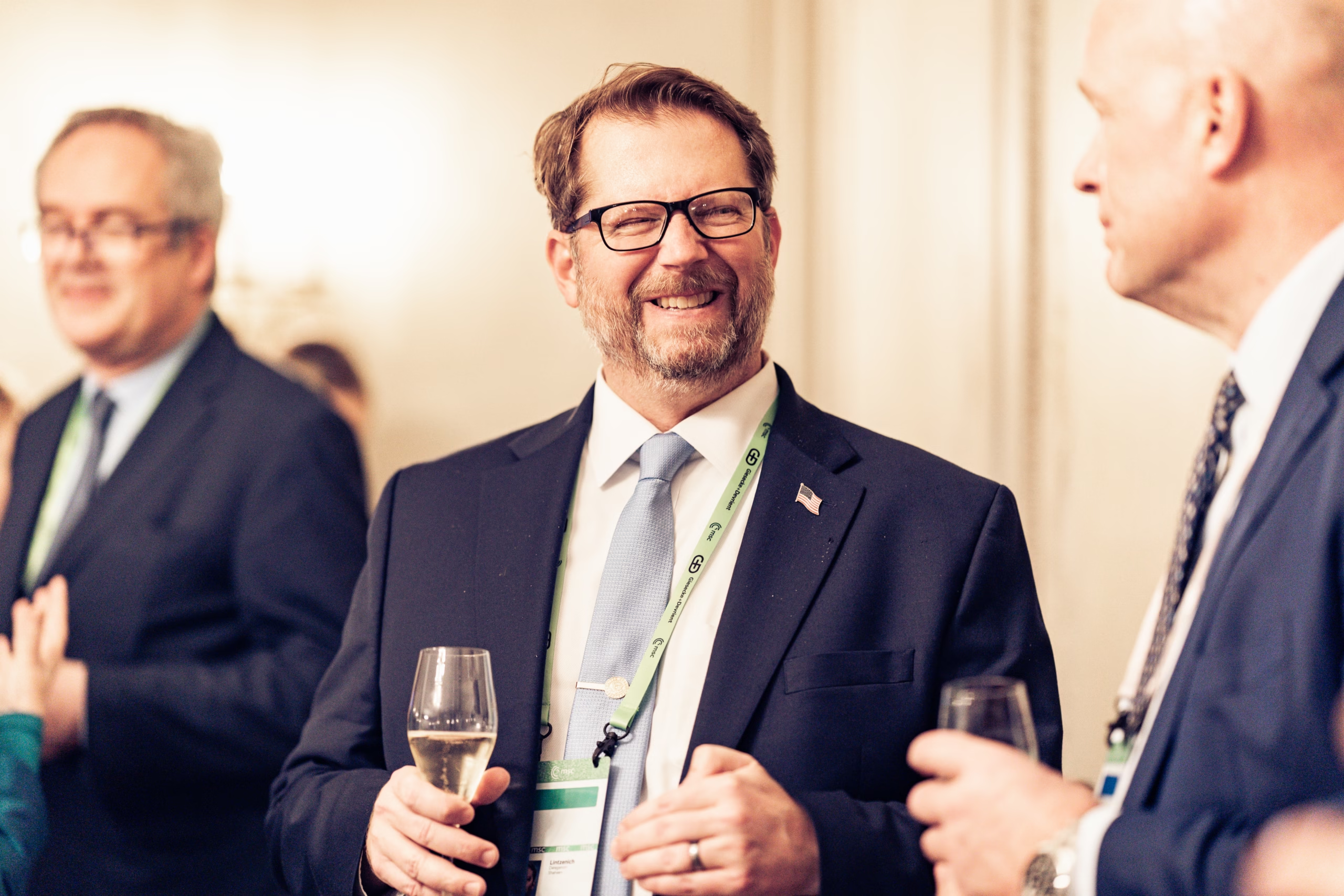
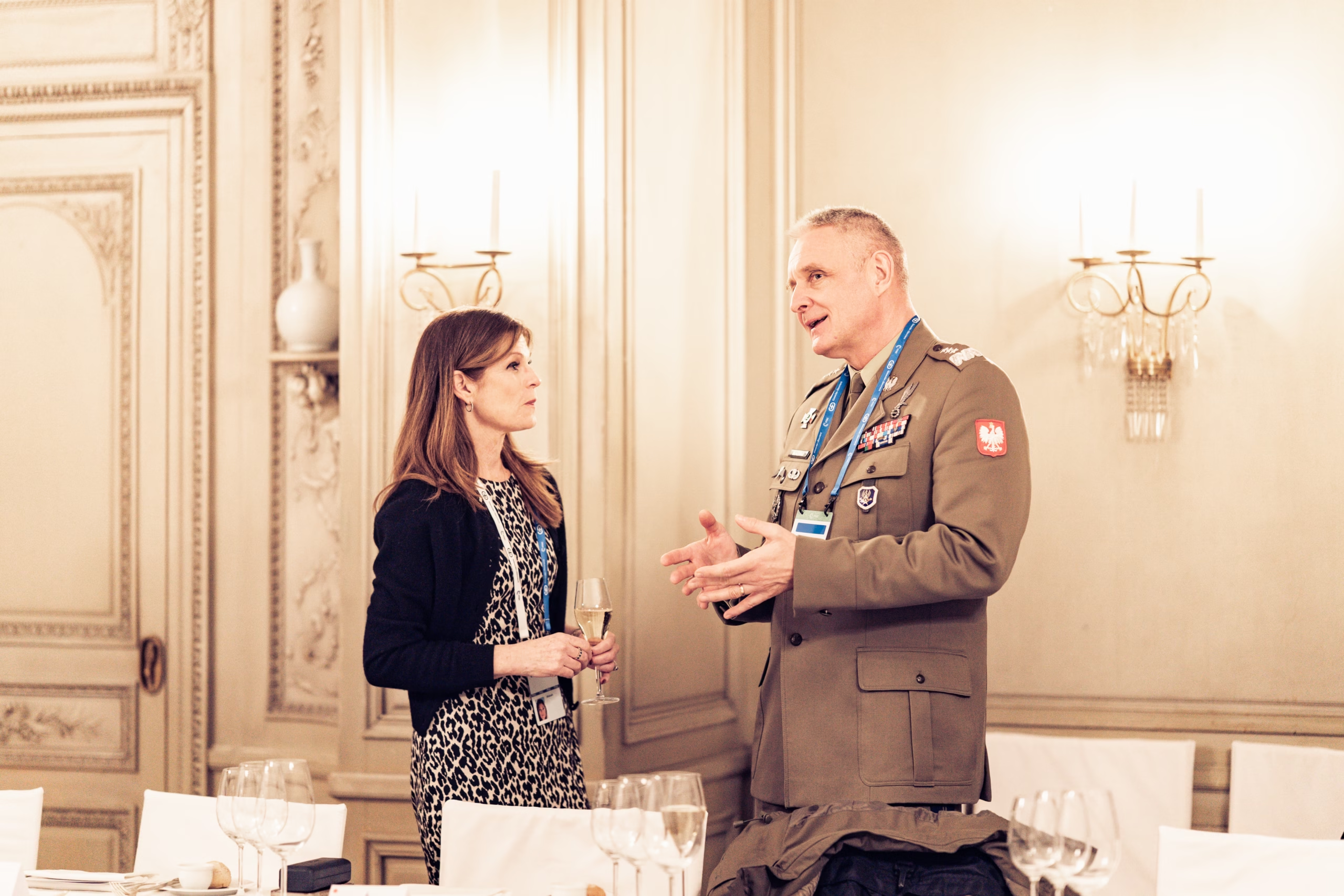
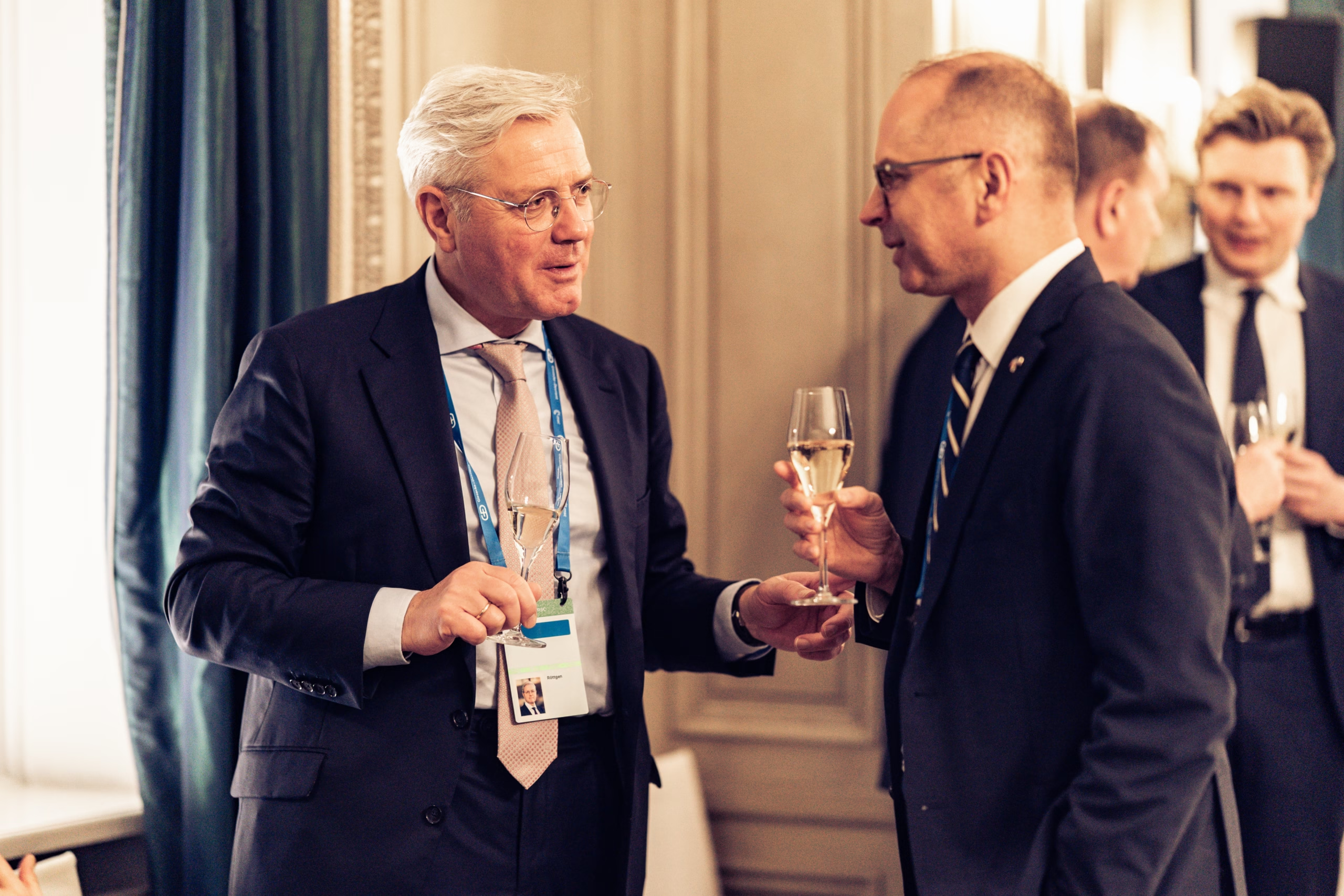
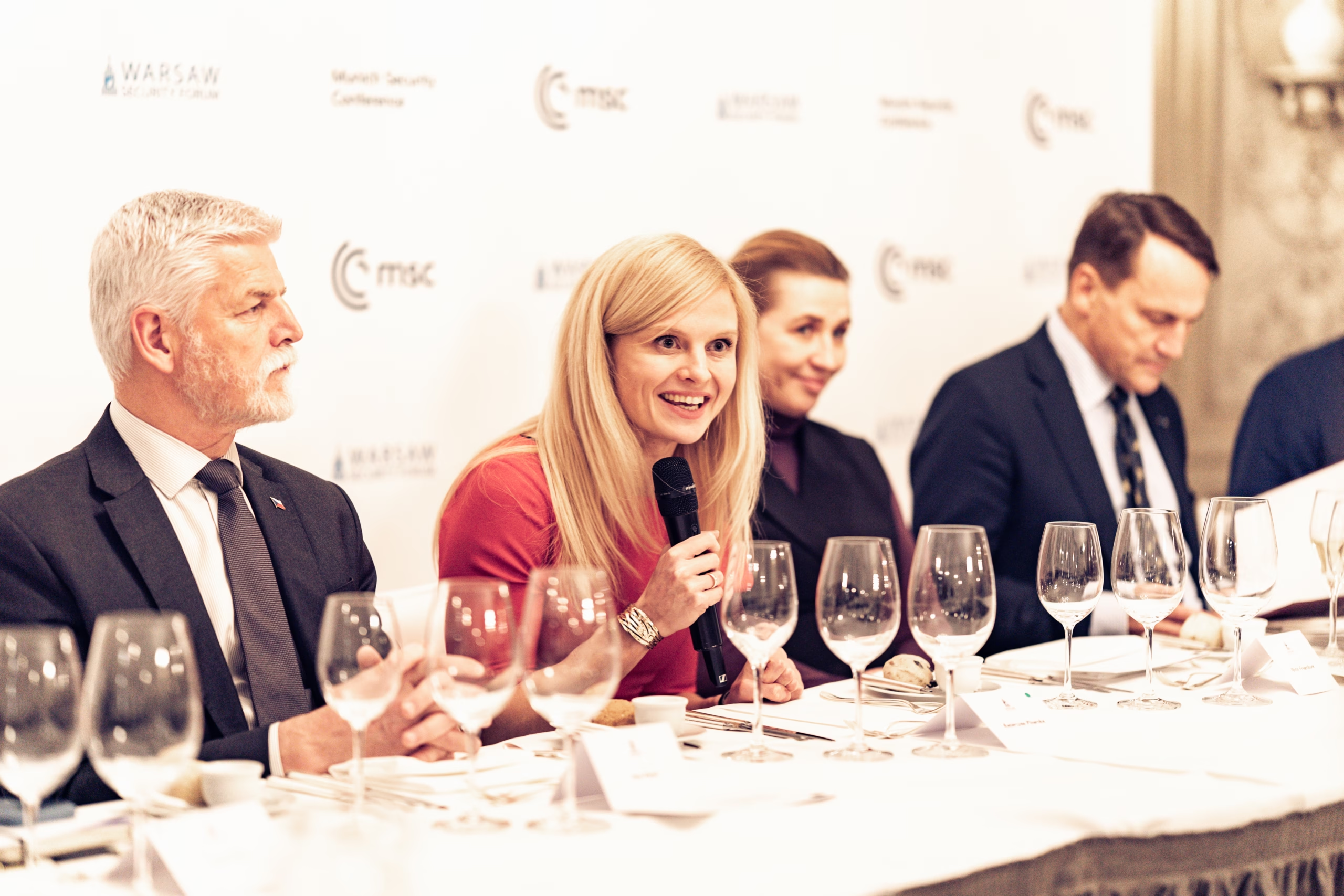
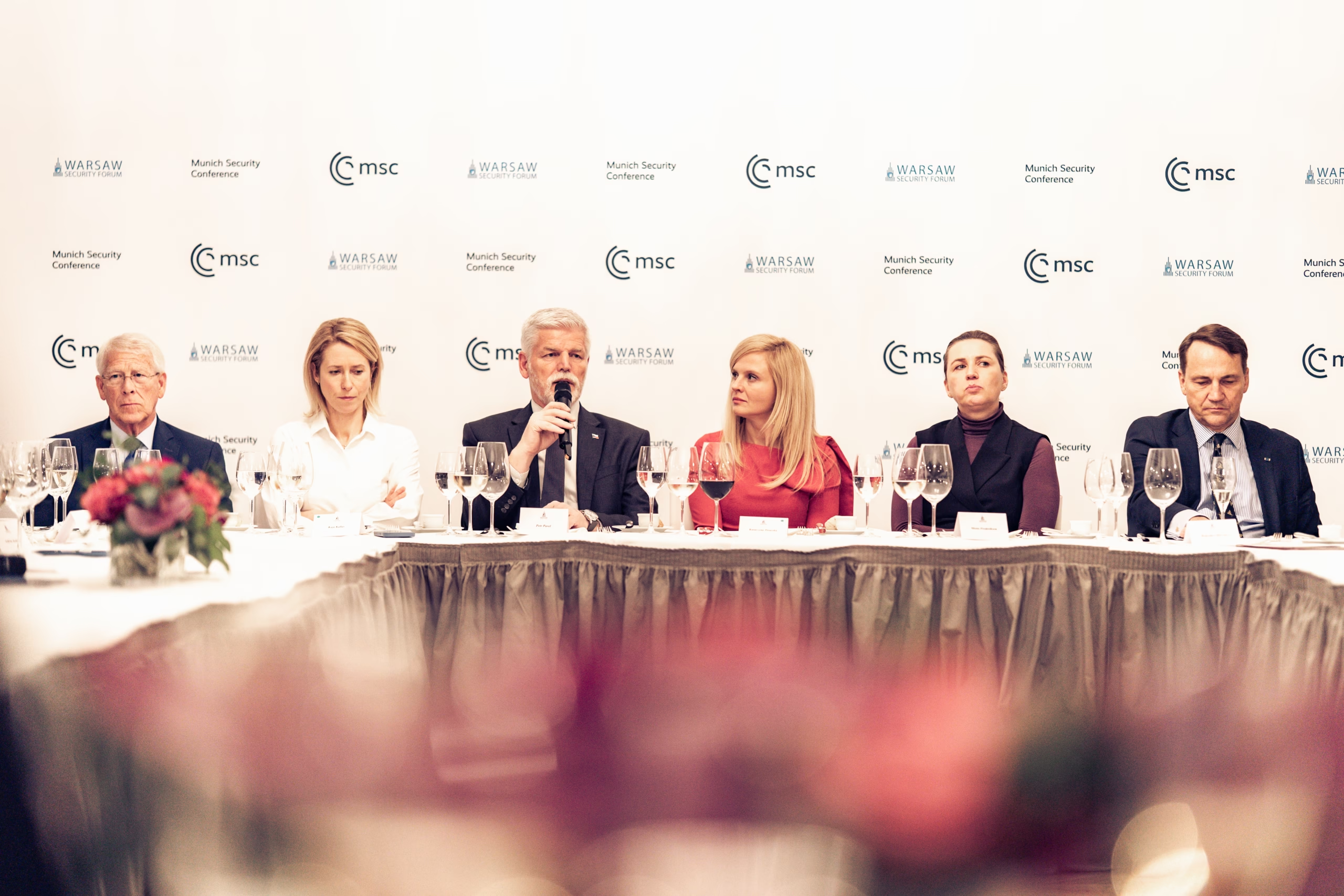
MSC 2026 High-Level Dinner

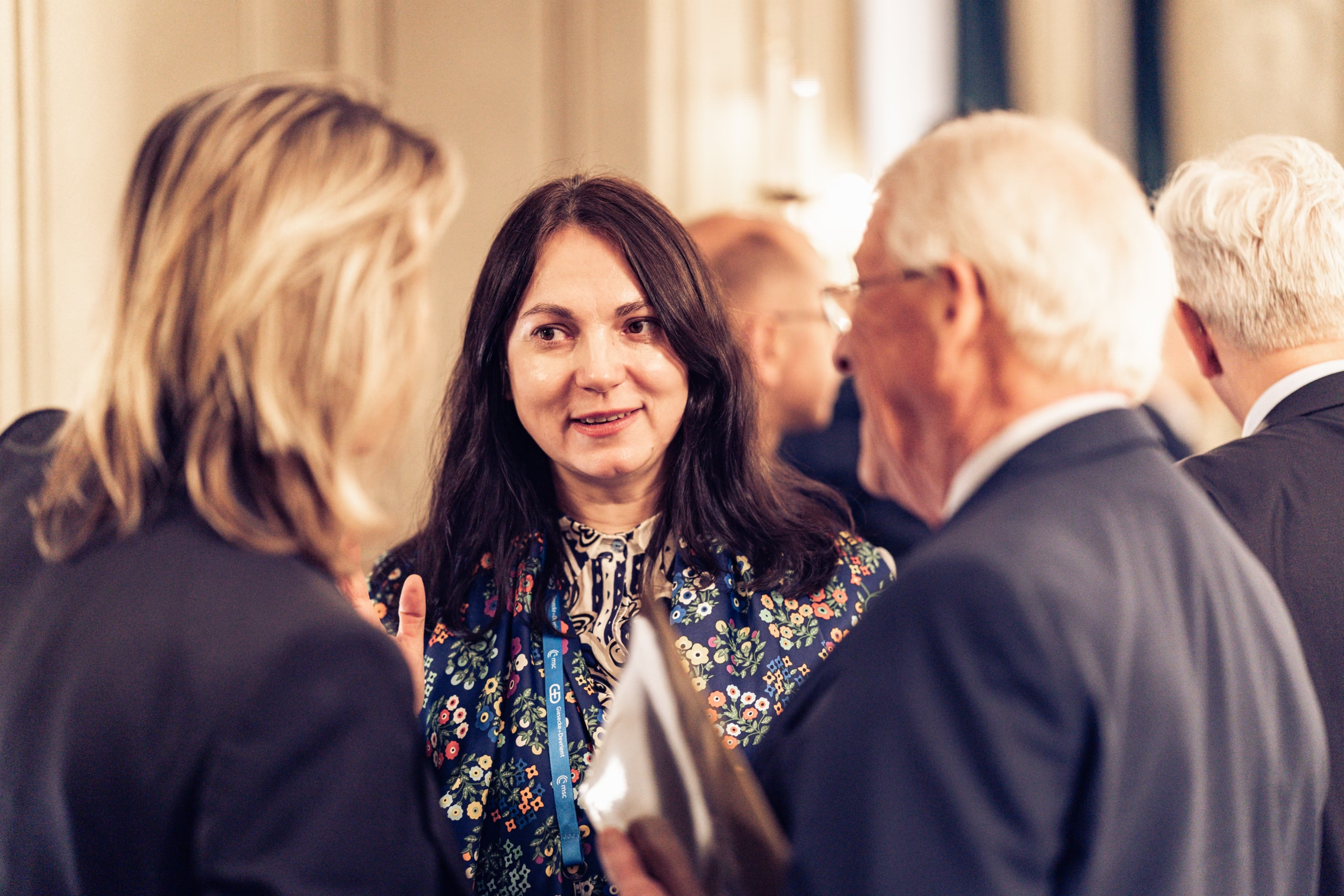
The 2026 Munich Security Conference unfolded amid mounting strain on Europe’s security order, driven by Russia’s war against Ukraine and growing uncertainty in the transatlantic framework. In this context, the Warsaw Security Forum convened senior leaders for a closed-door discussion on Europe’s capacity to act decisively.
|
Events
|
|
MSC 2026 High-Level Dinner

High-Level Dinner

As a partner of the Munich Security Conference, the Warsaw Security Forum once again contributed to the Conference’s strategic agenda at a moment marked by the erosion of the international security order. Held under the overarching theme Under Destruction, #MSC2026 underscored the growing recognition that Europe faces a defining test of responsibility for its own security and for the defence of Ukraine as an integral part of that security.

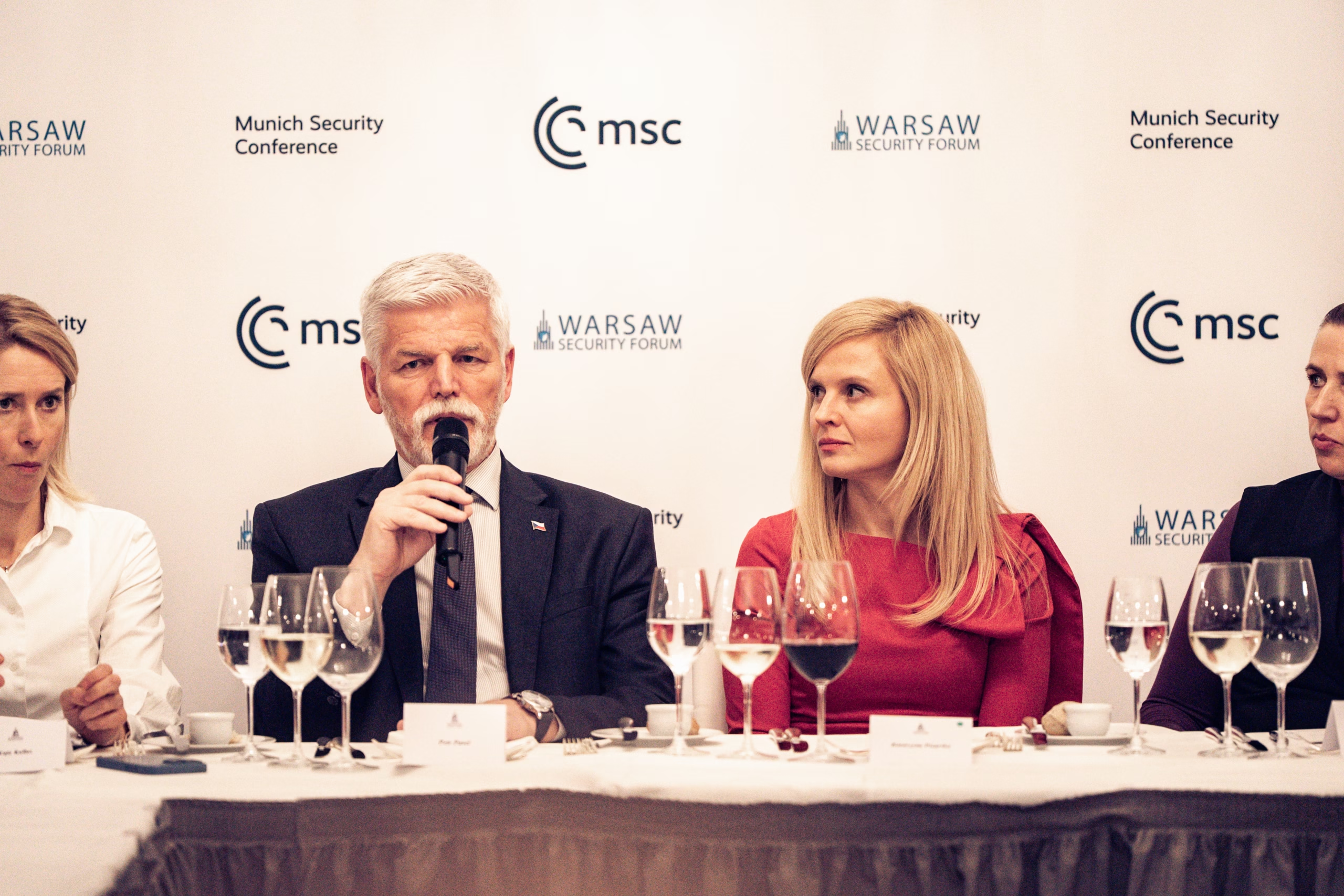
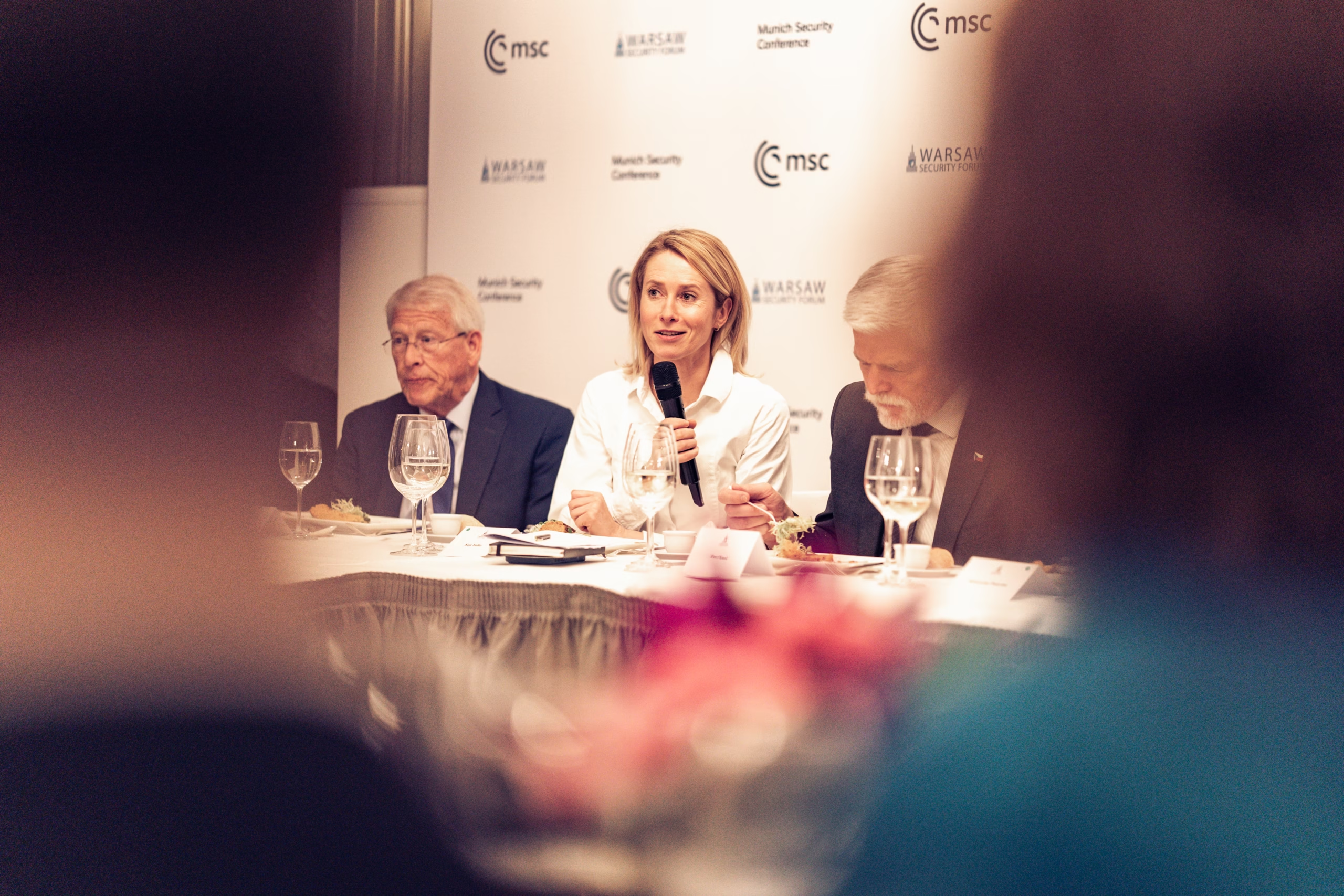
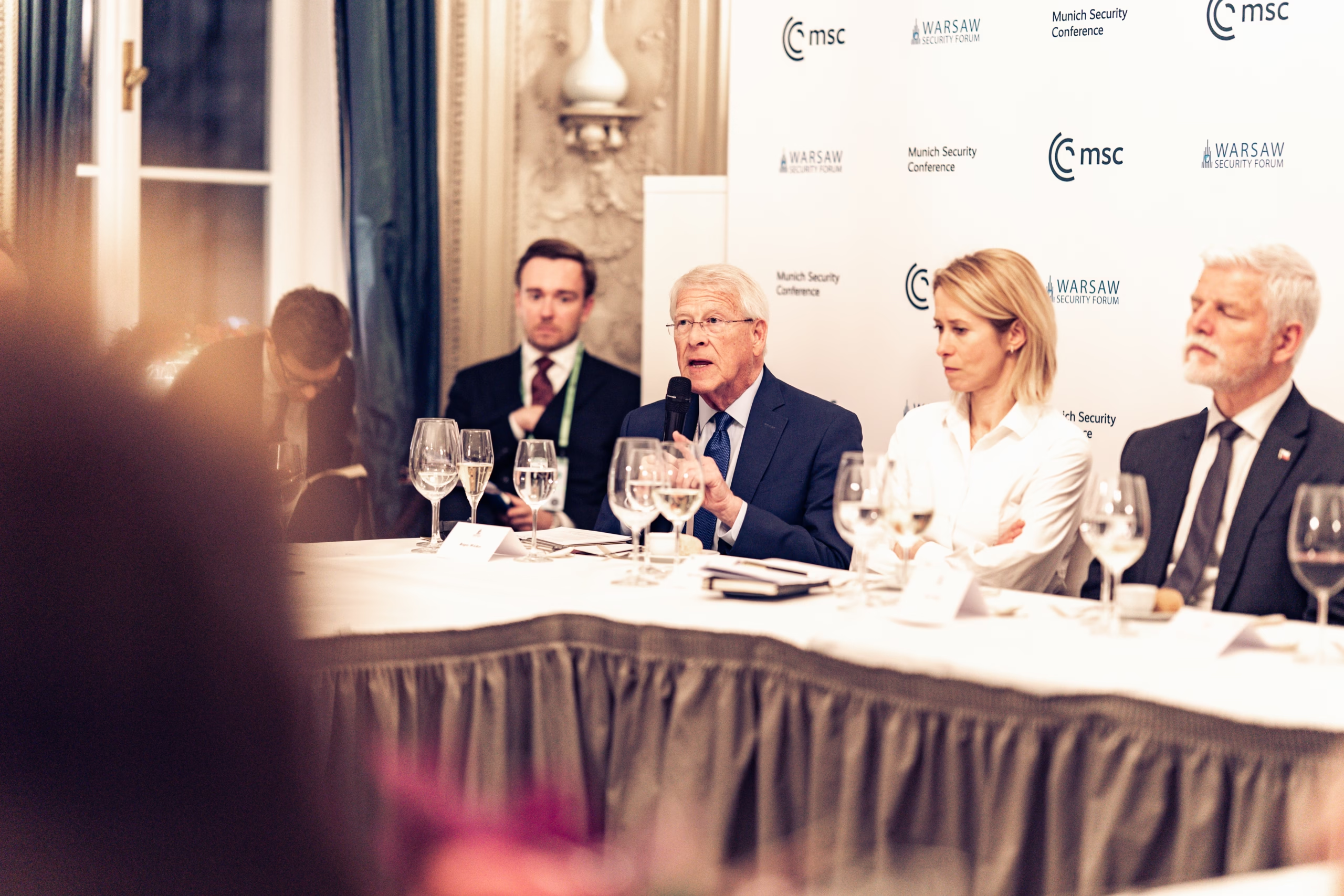
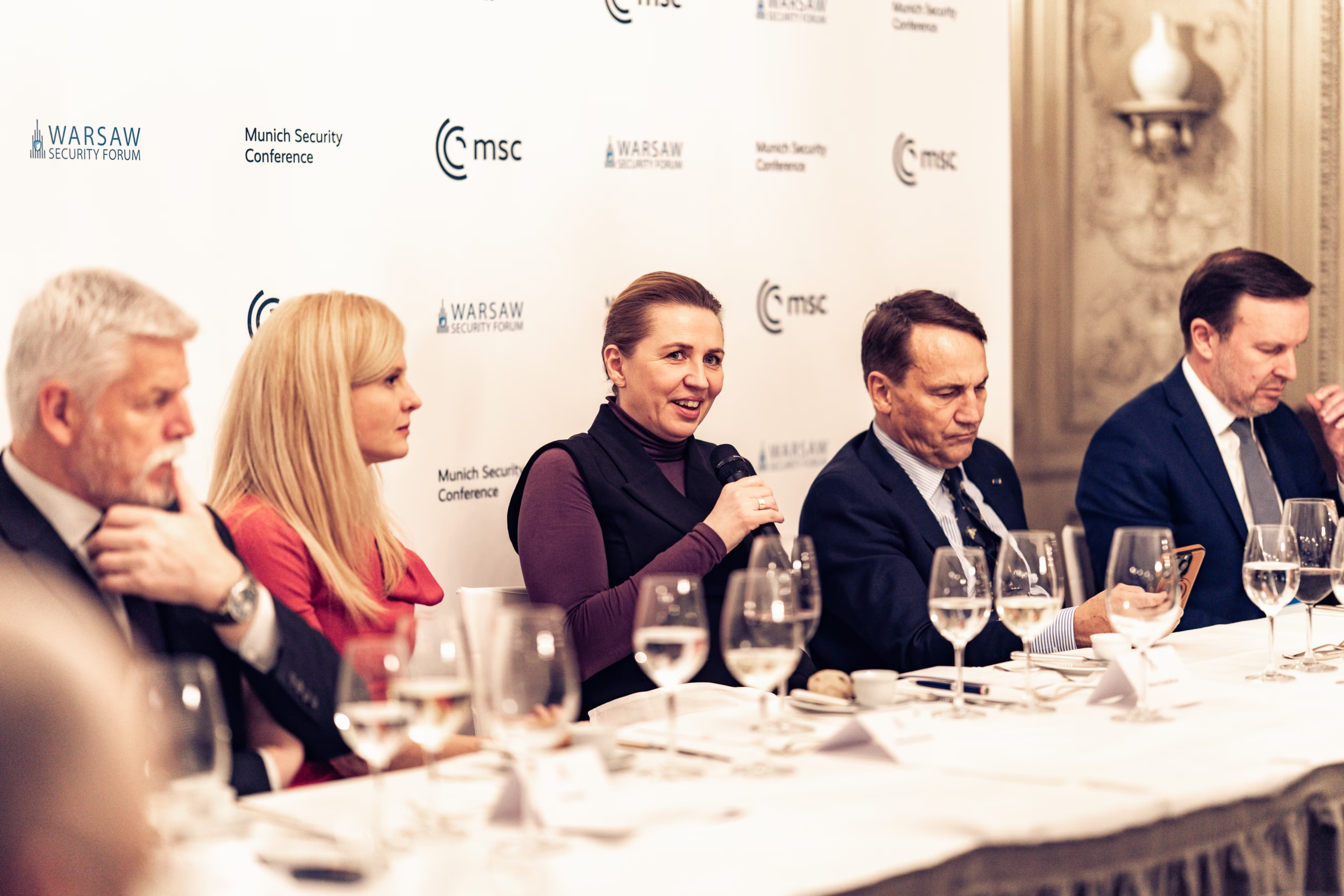
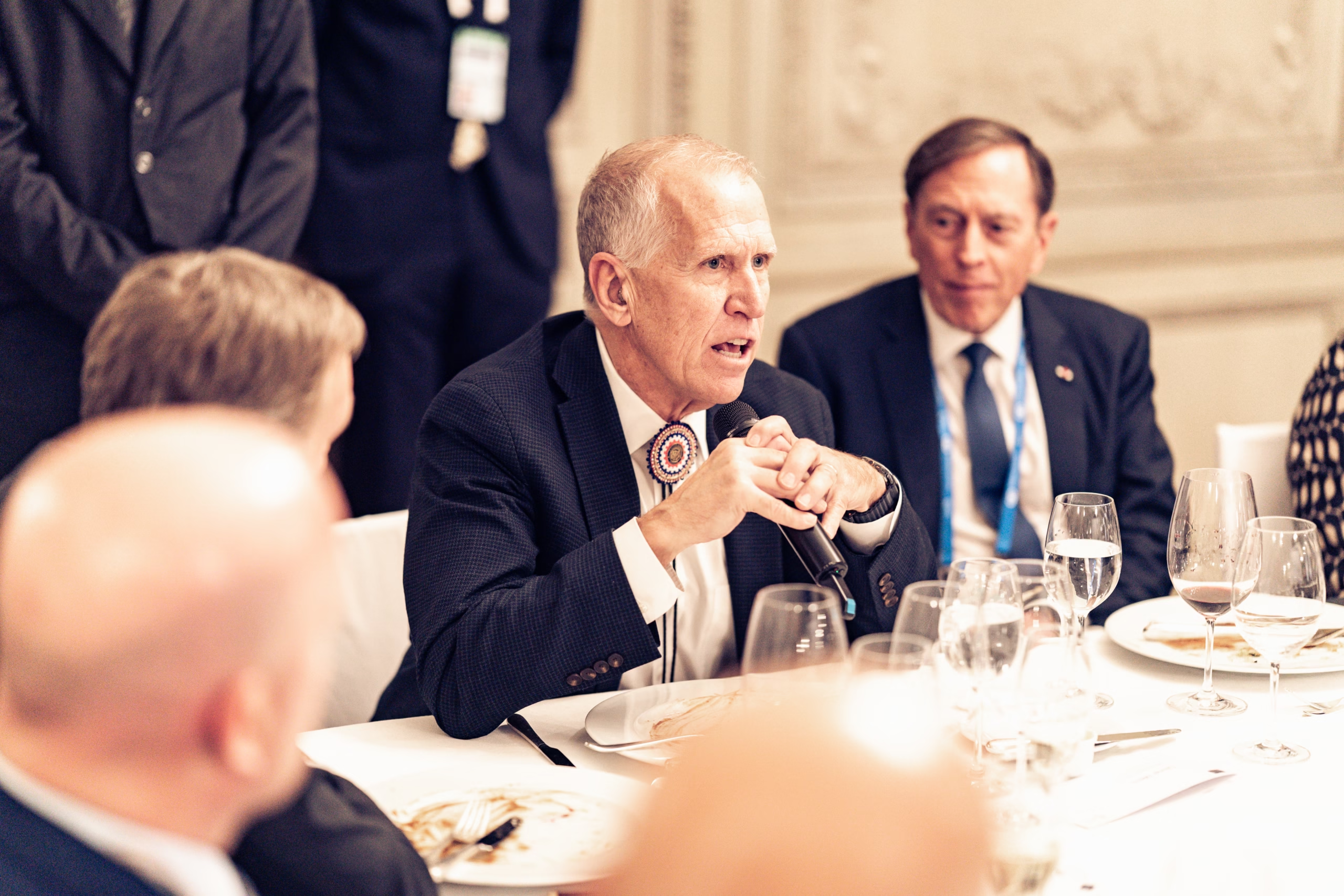
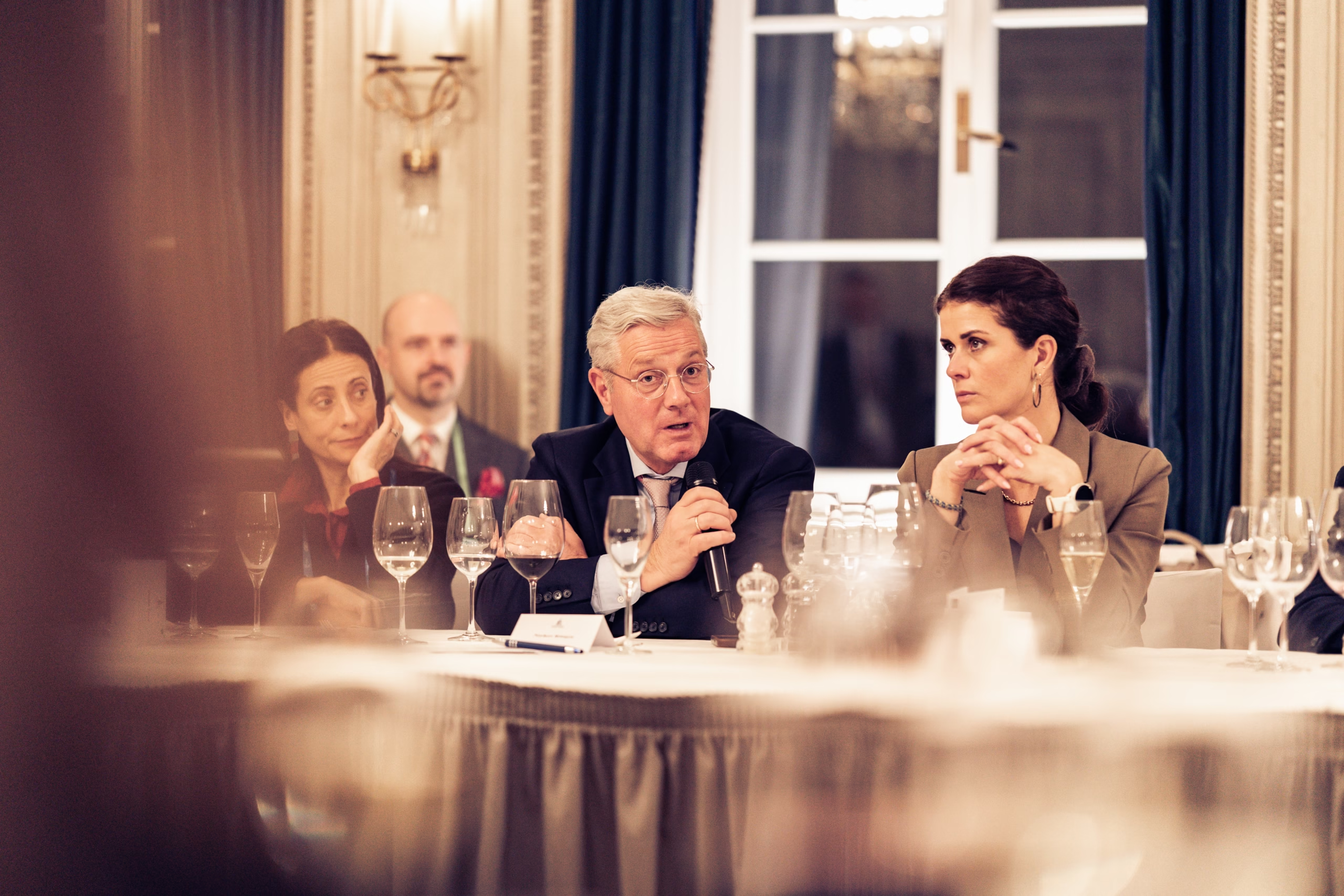
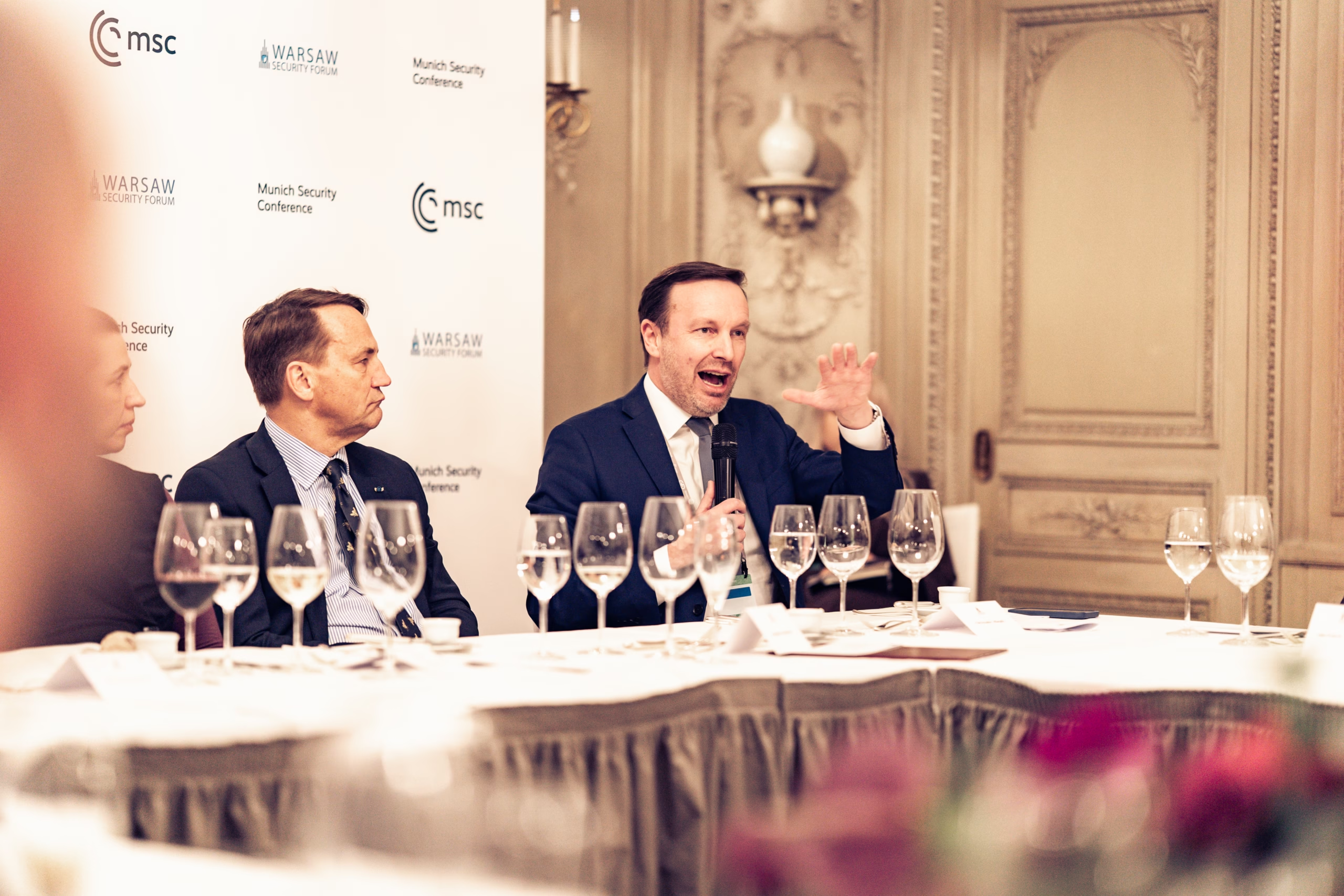
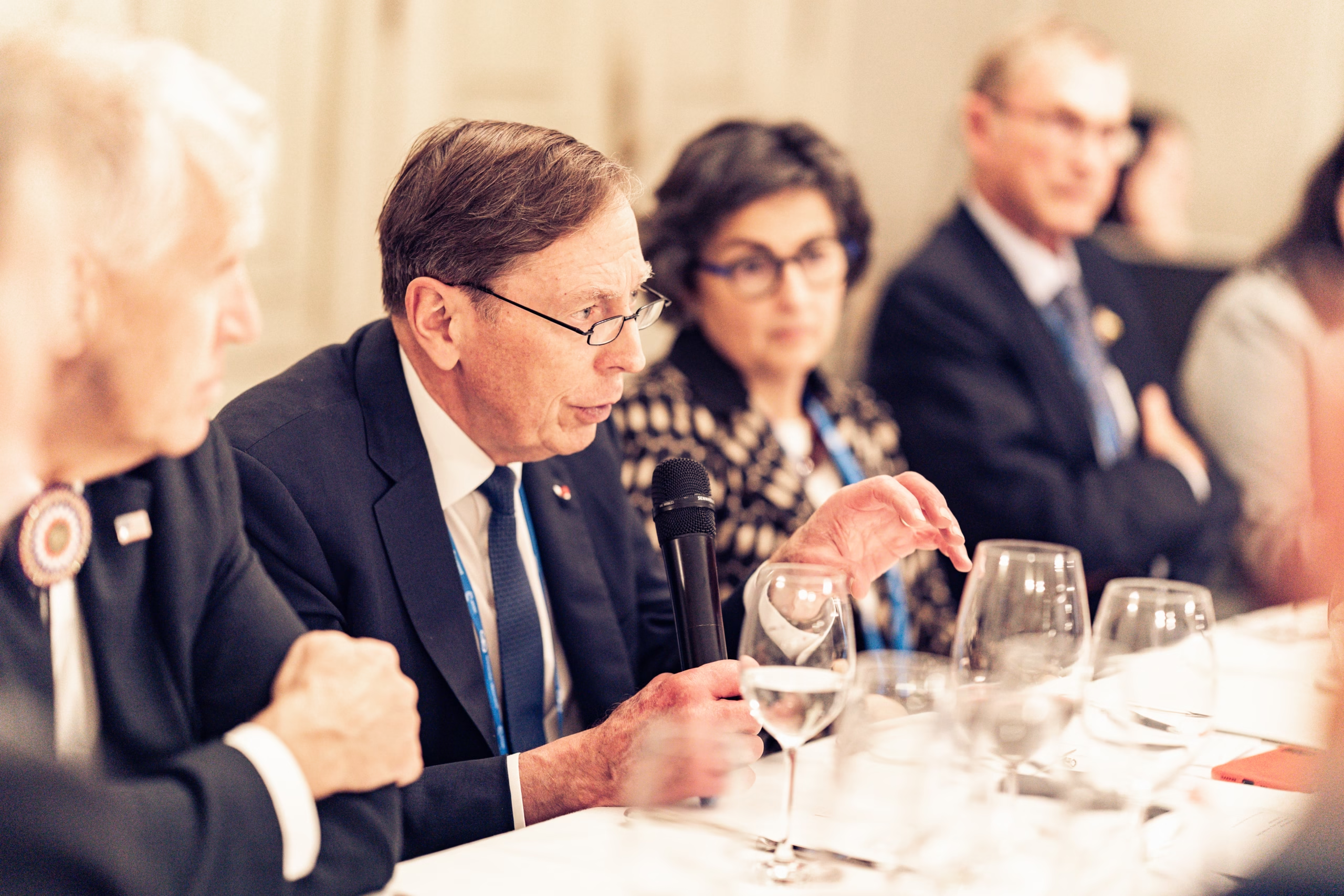
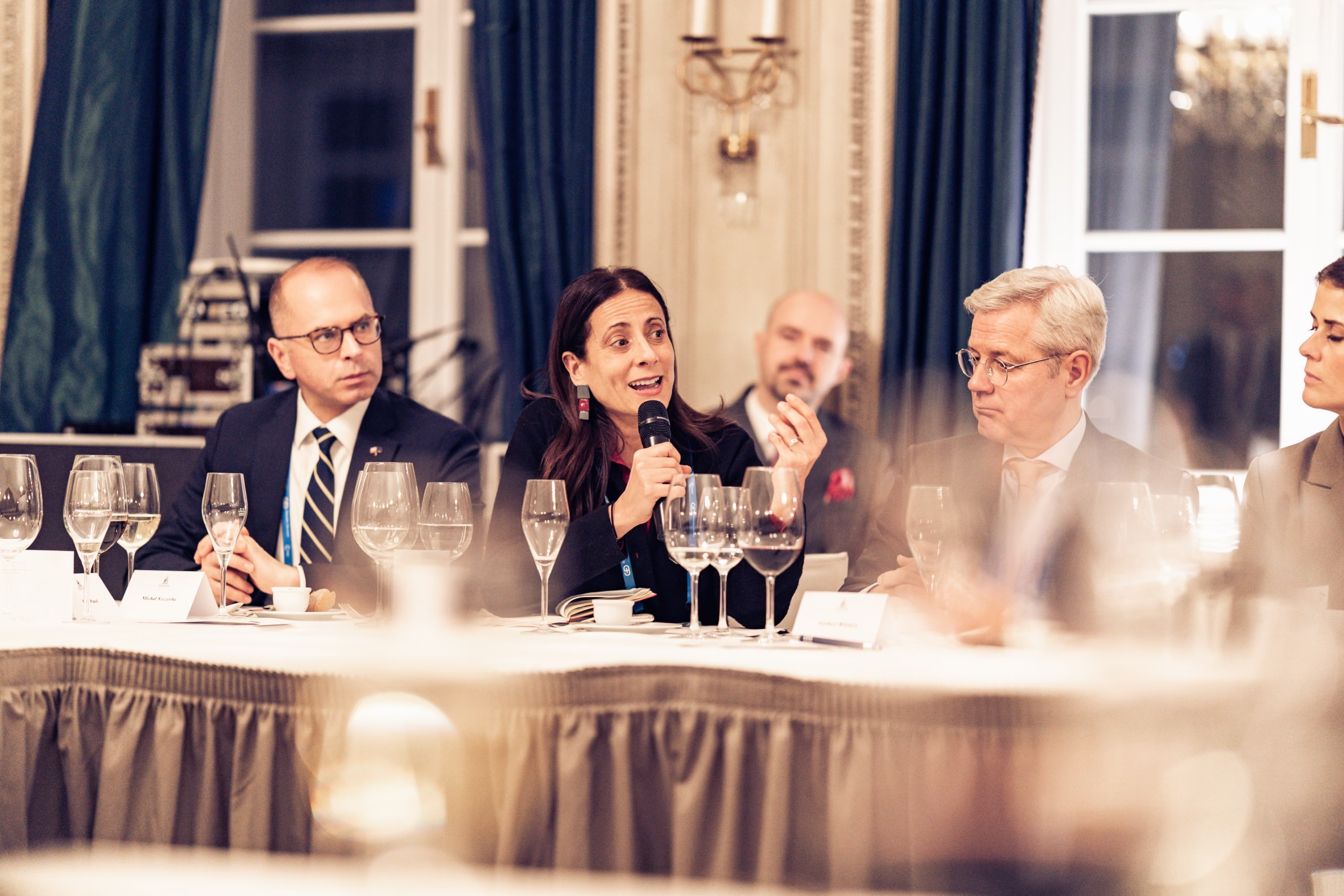
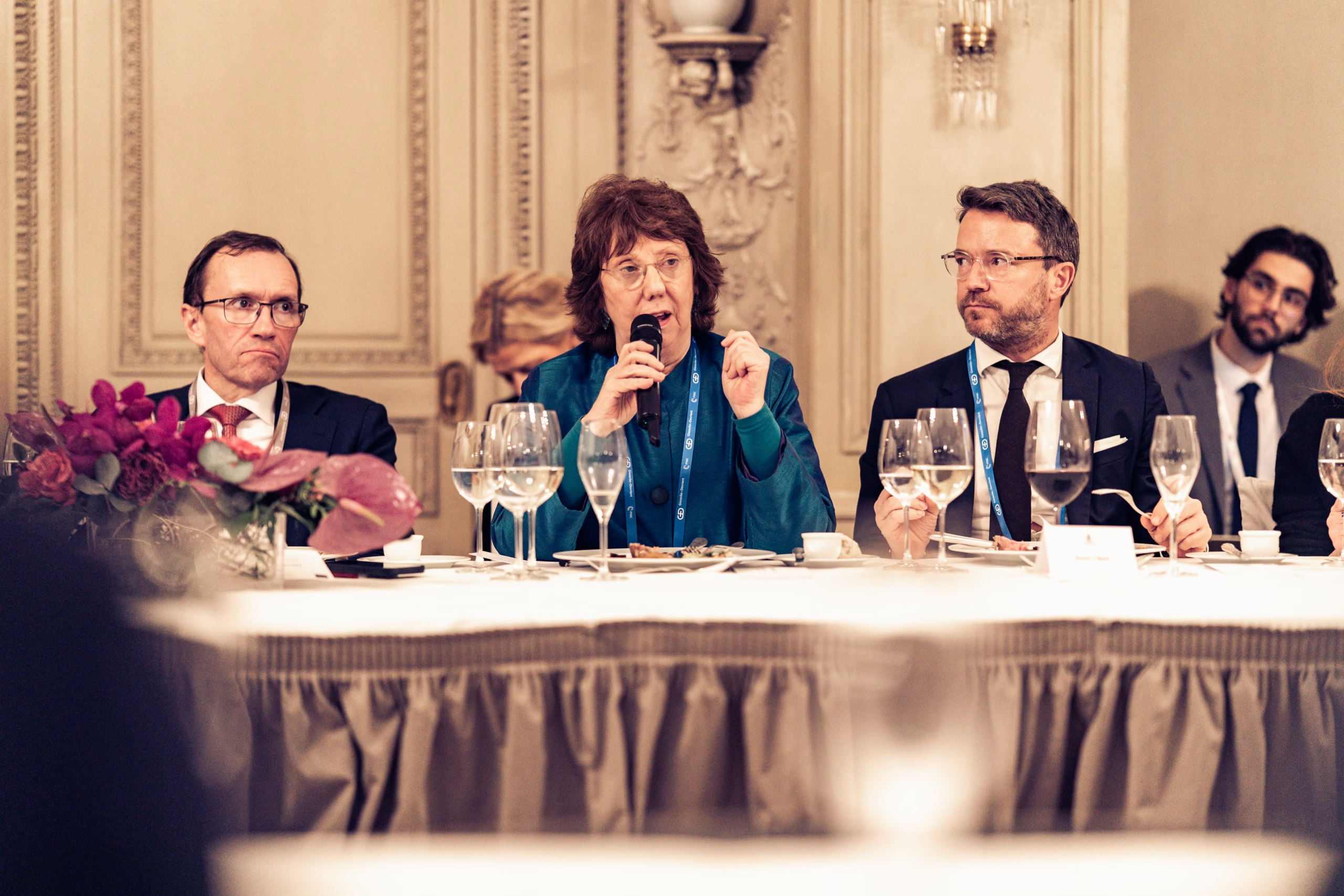
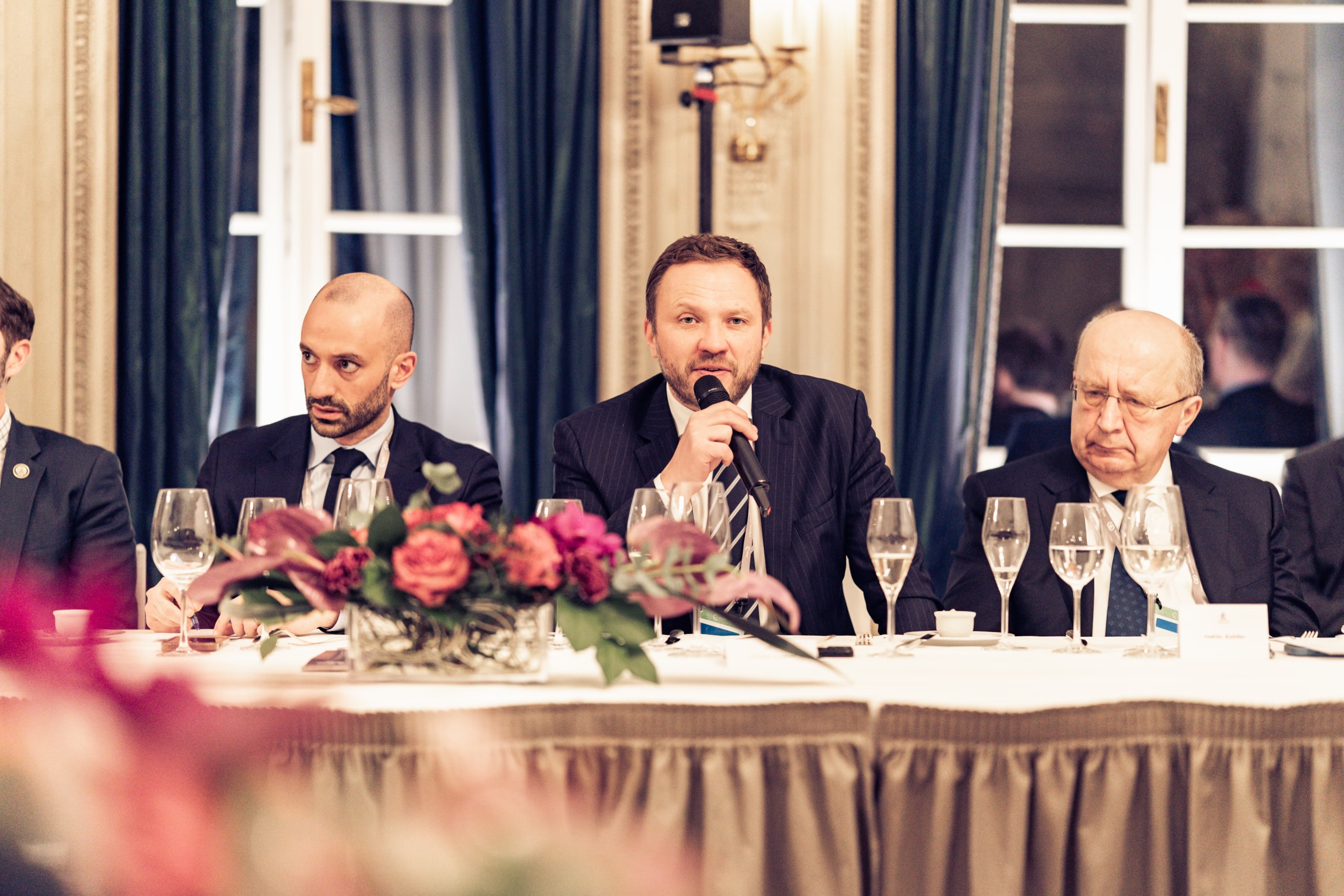
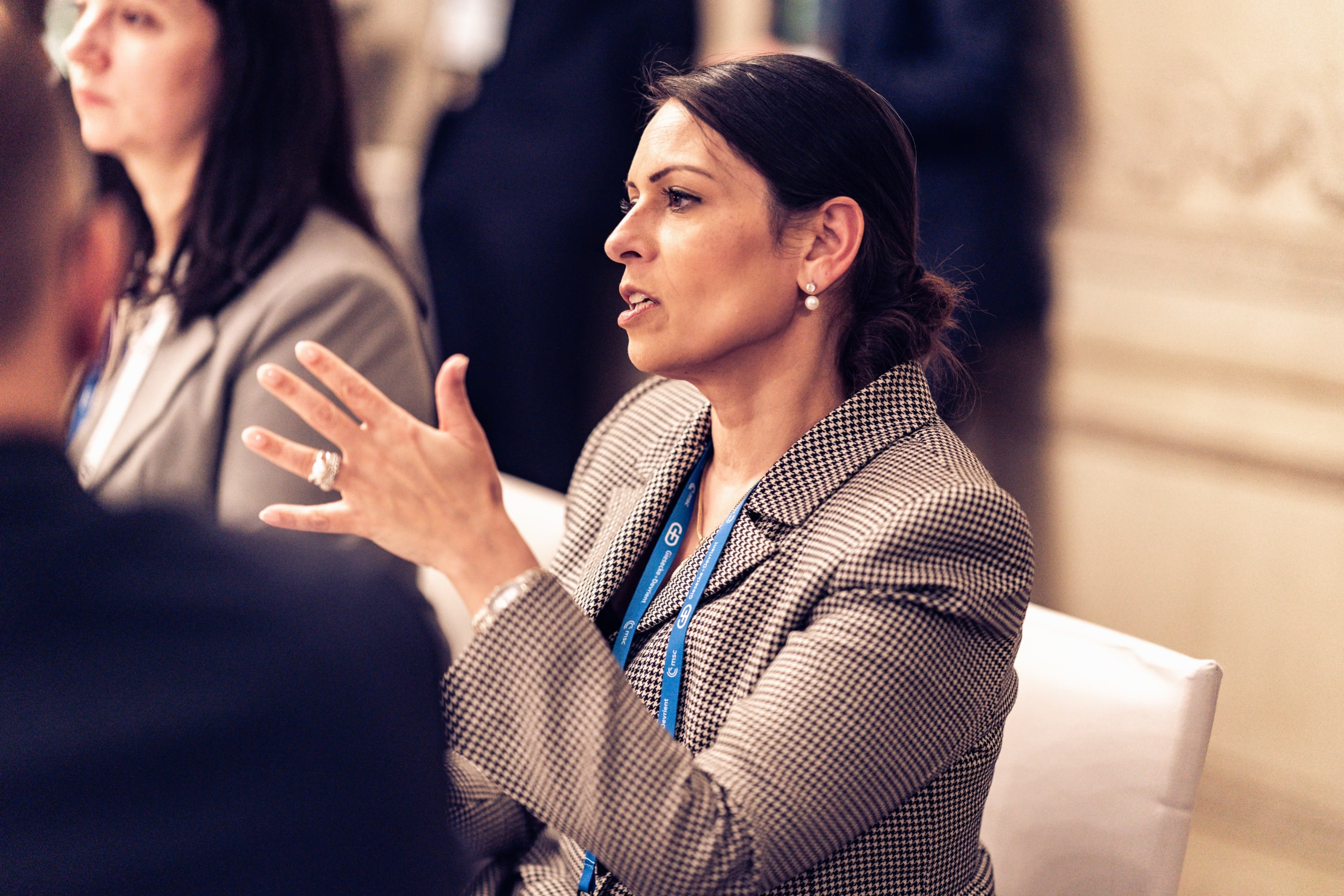
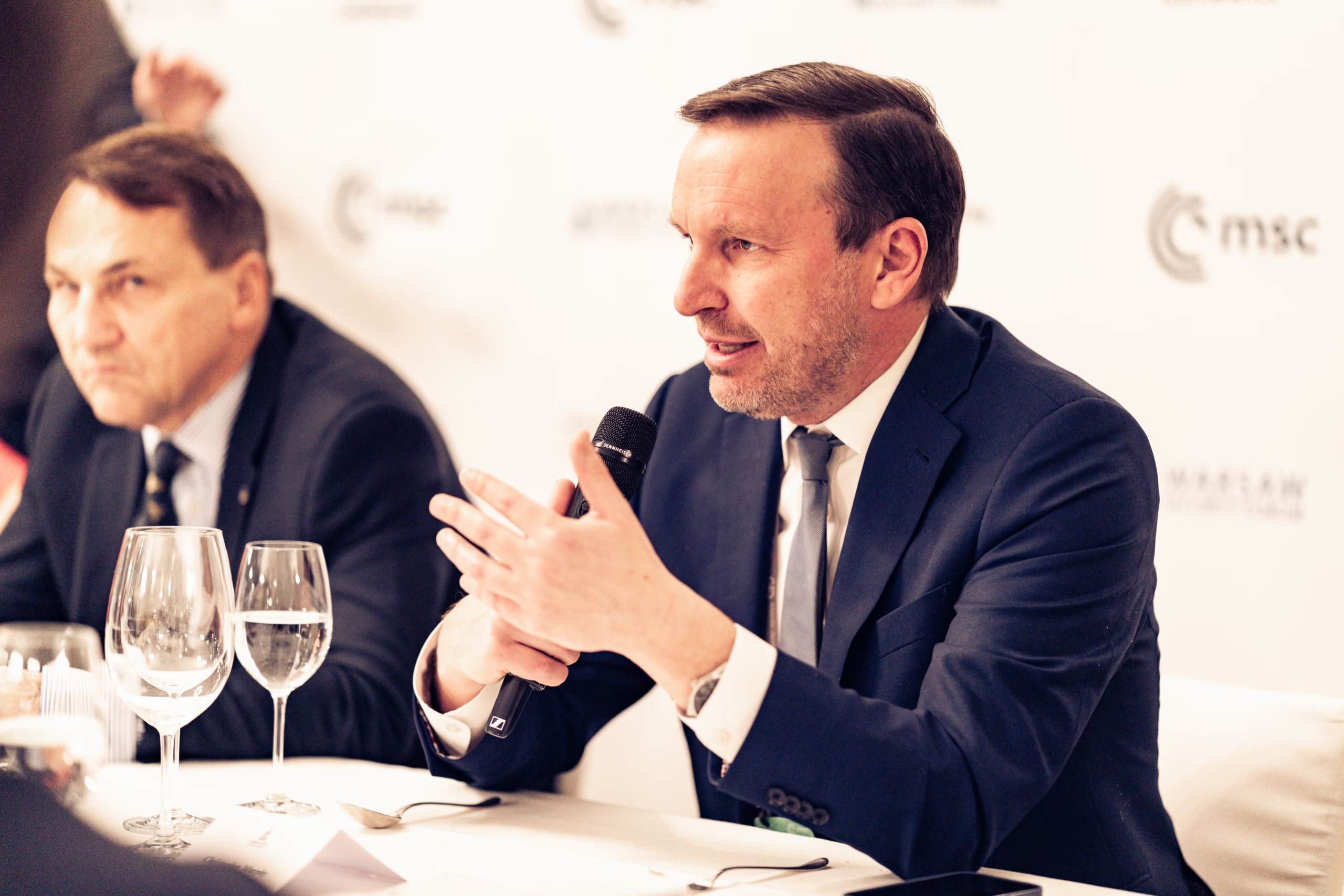
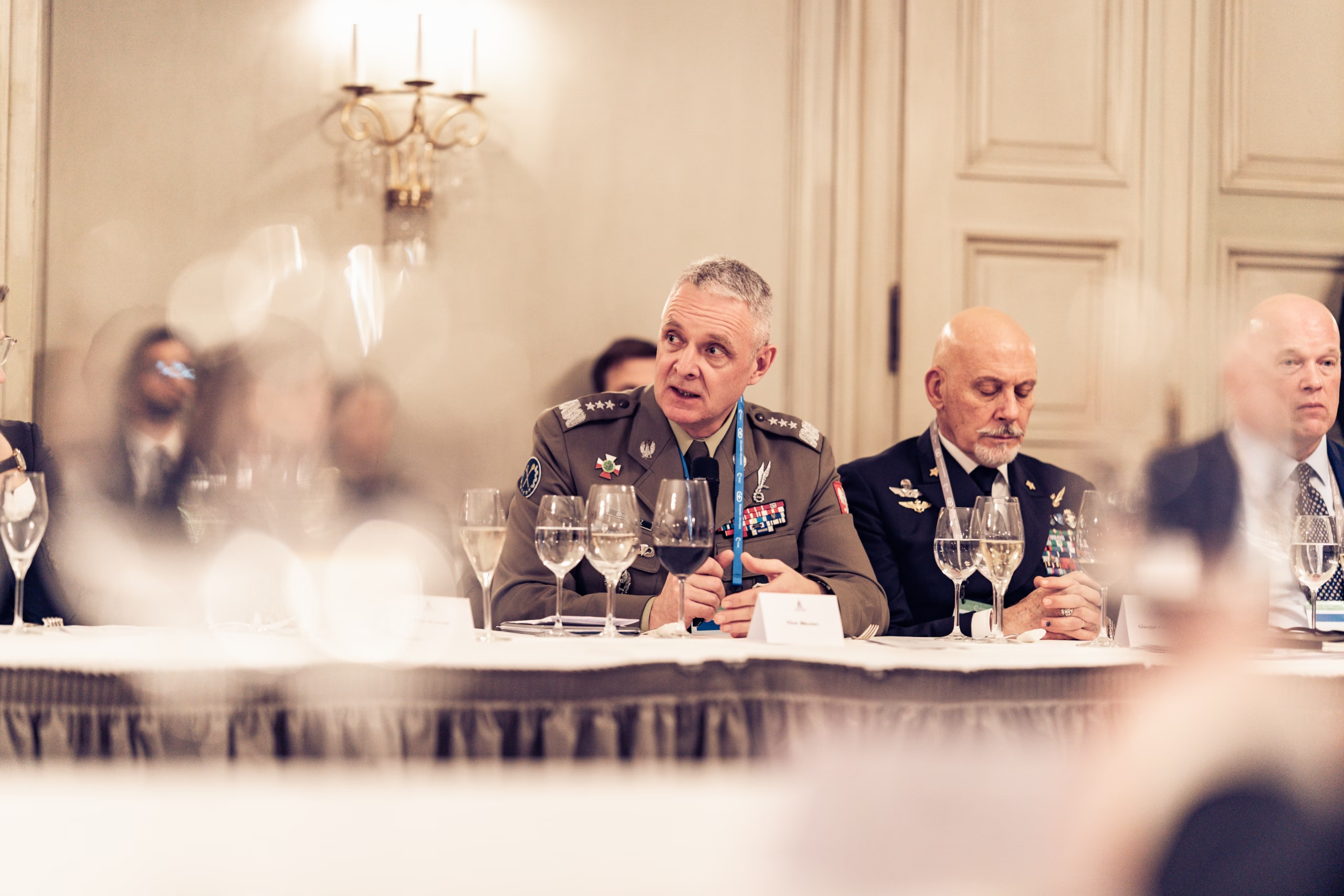
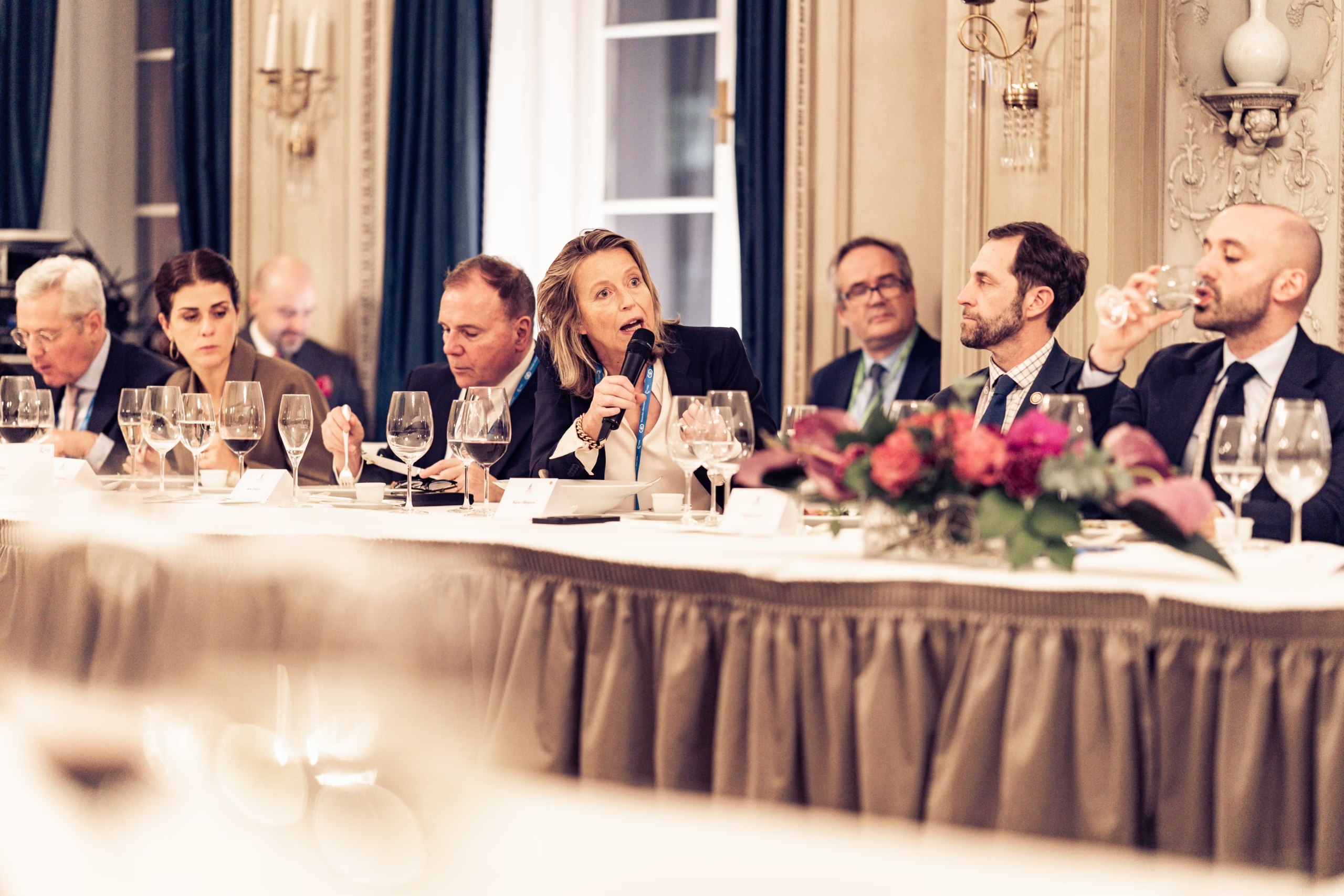
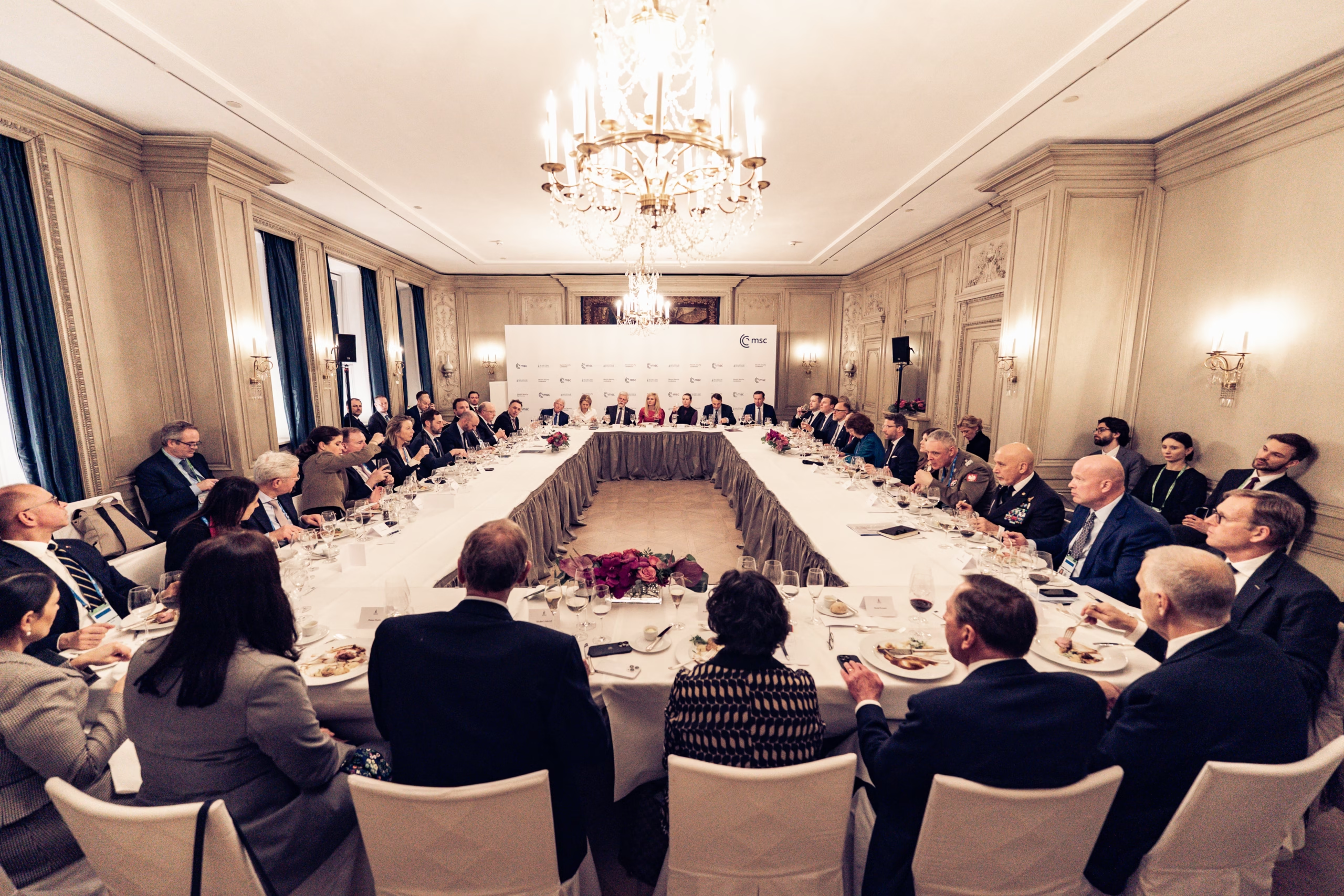
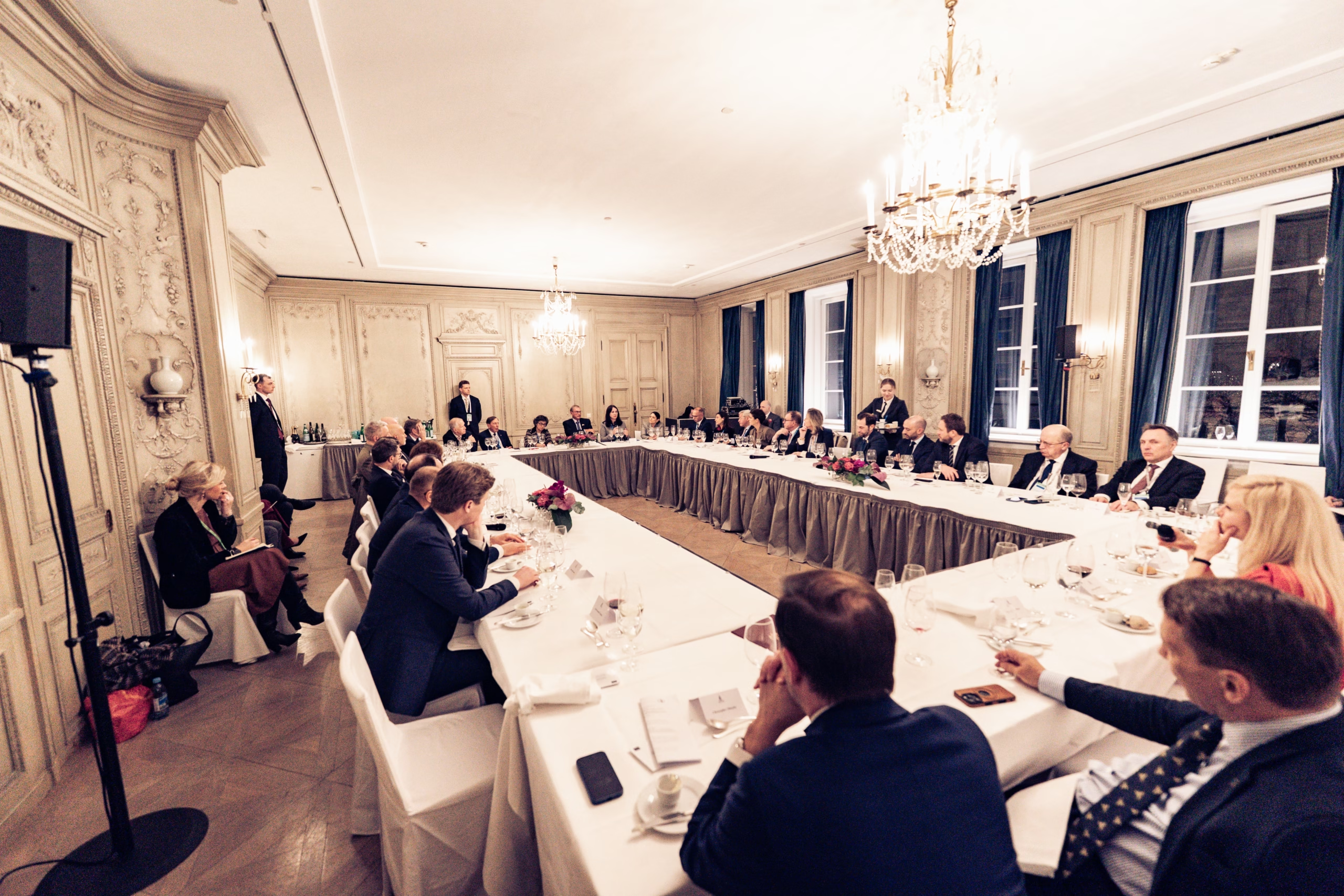
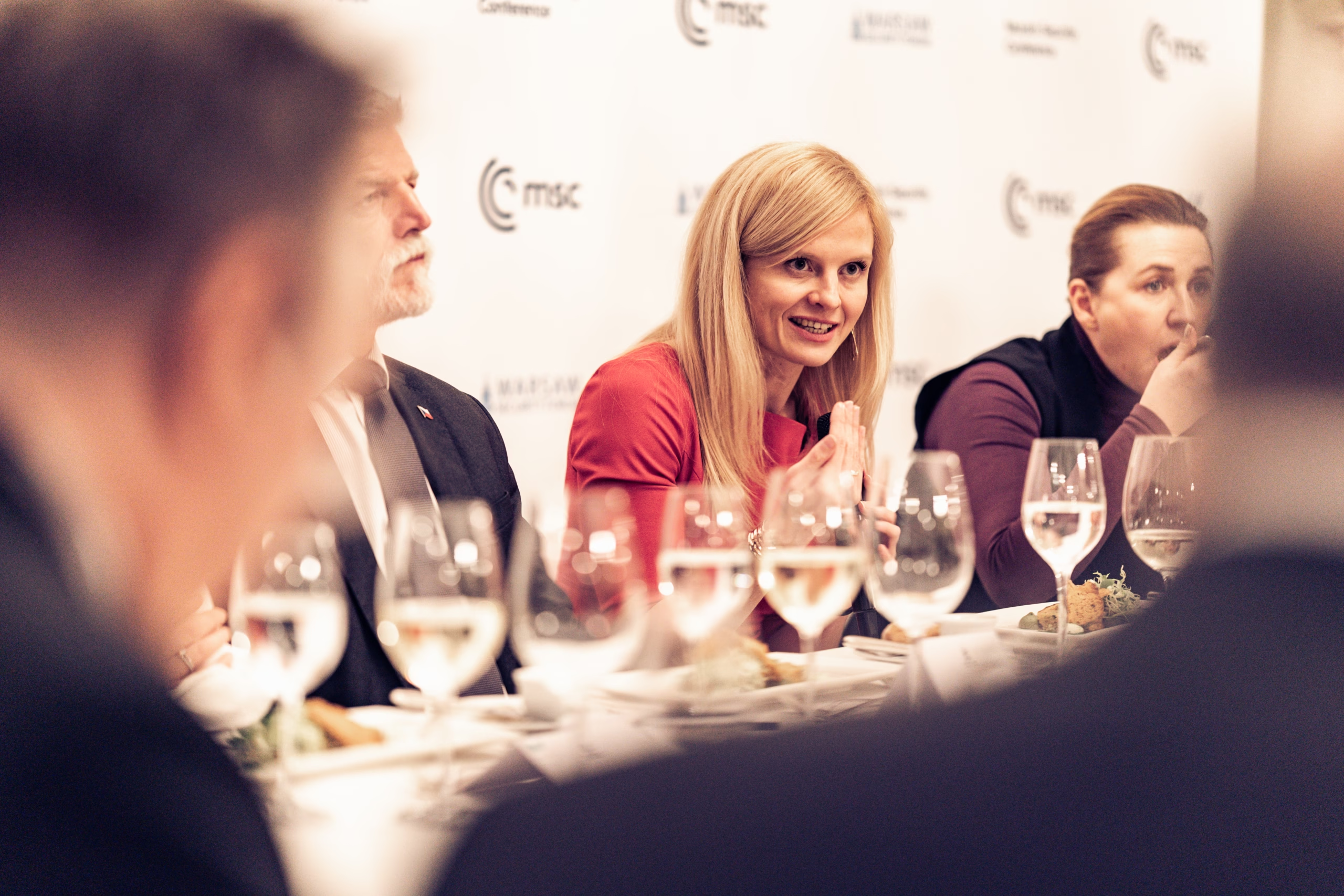
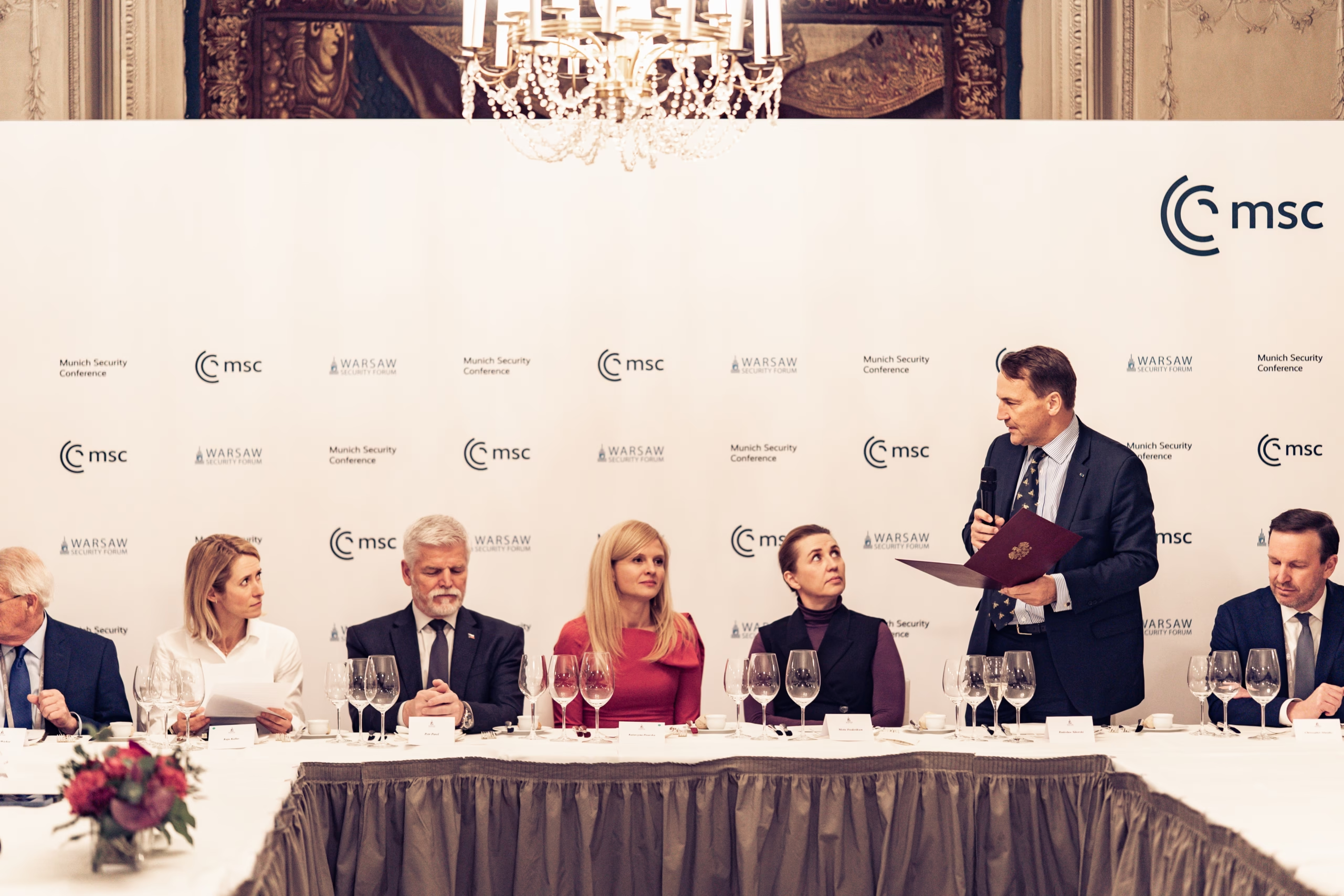
Against this backdrop, for the fourth consecutive year, the Warsaw Security Forum convened senior political and security leaders for a high-level, off-the-record dinner entitled “No Time to Lose: Mapping Europe’s Chances to Win the War Before the War.” As an official #MSC2026 side-event, led by prof. Katarzyna Pisarska, Chair of the Warsaw Security Forum, the closed-door format provided a trusted space for candid strategic reflection on Europe’s security posture, deterrence credibility, and the future of the transatlantic alliance- beyond public declarations and formal positions.

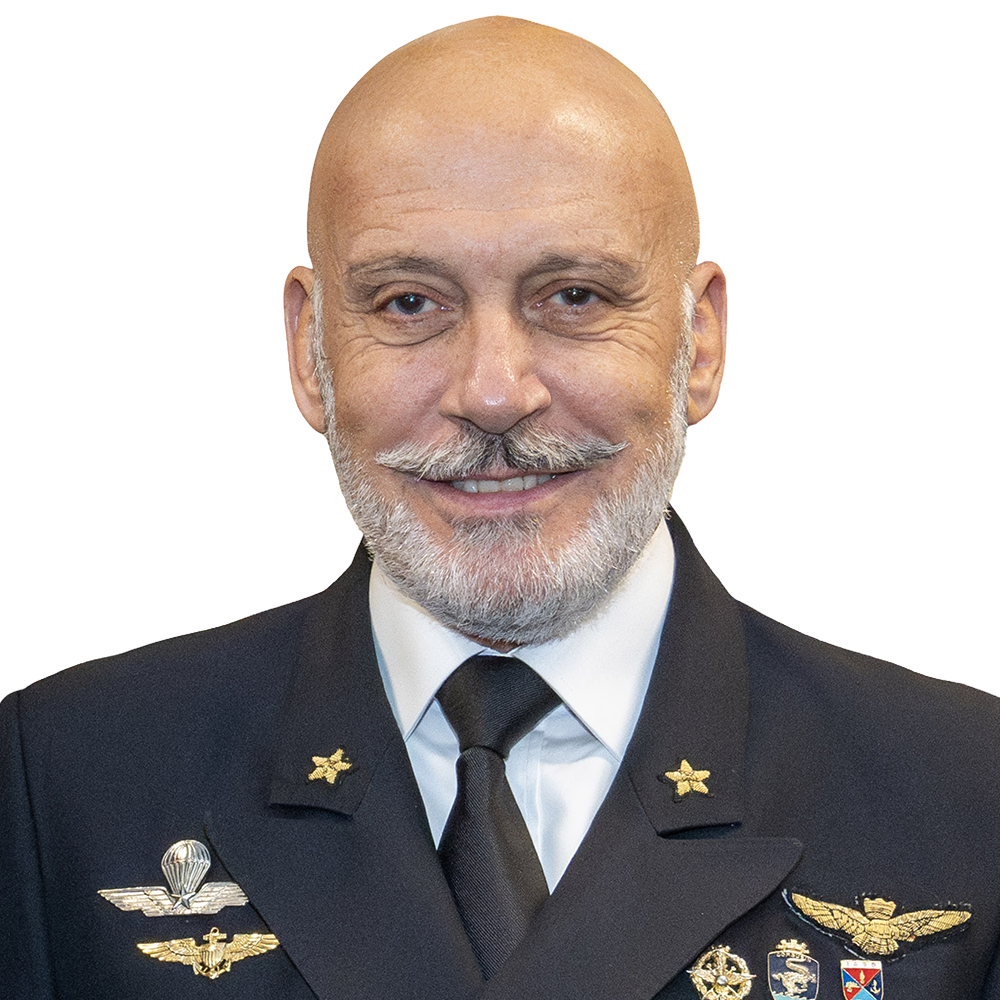
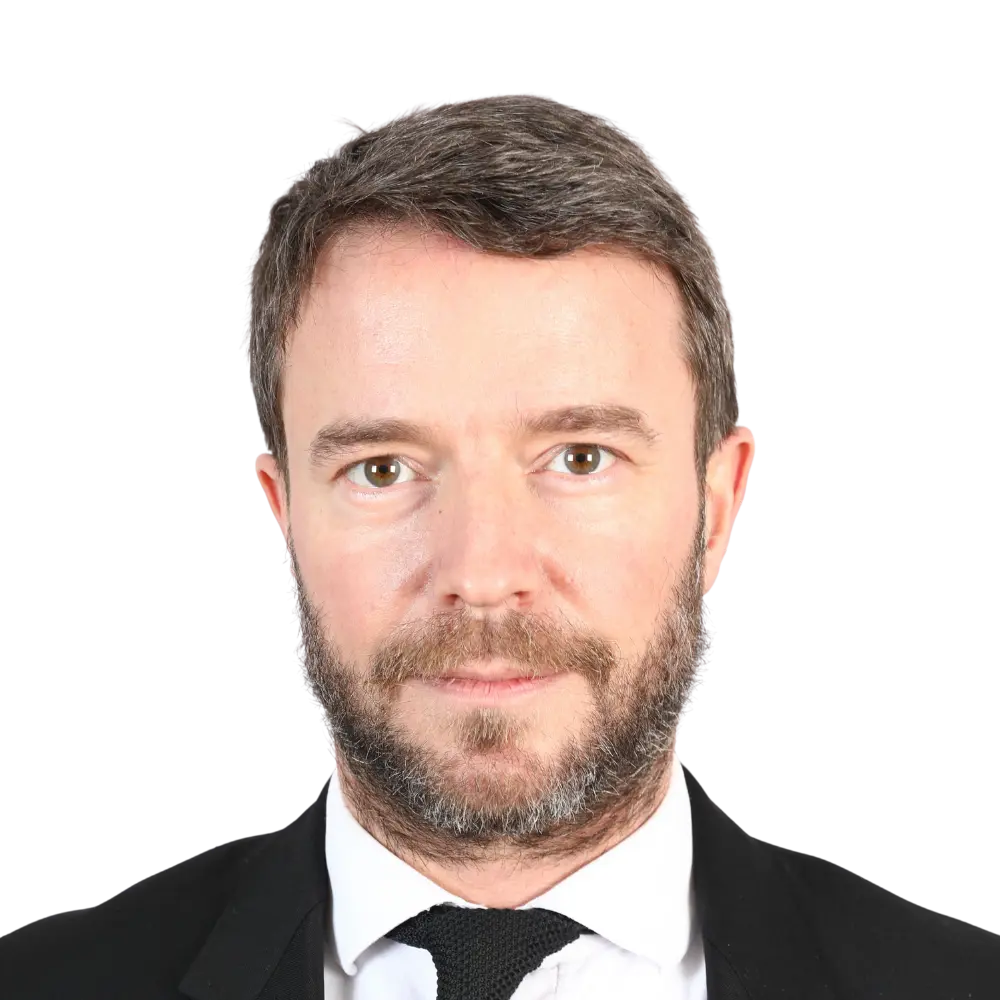
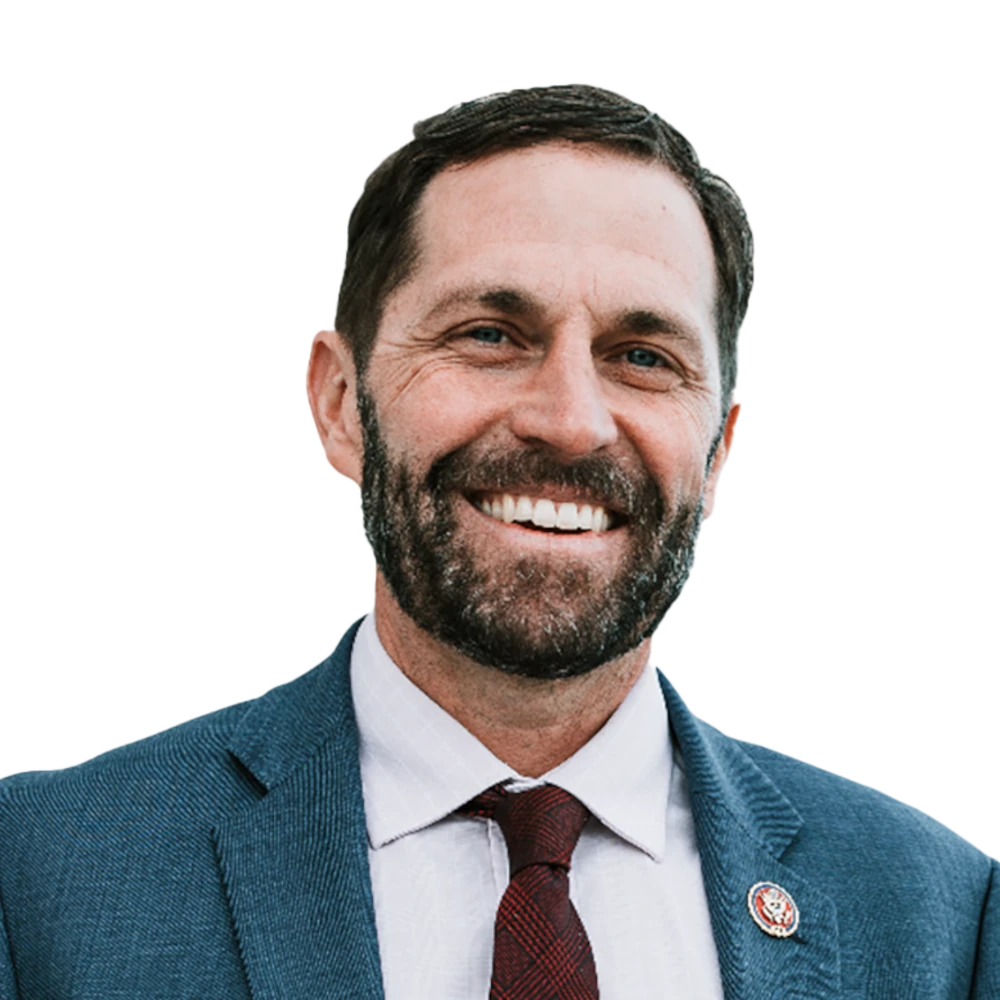
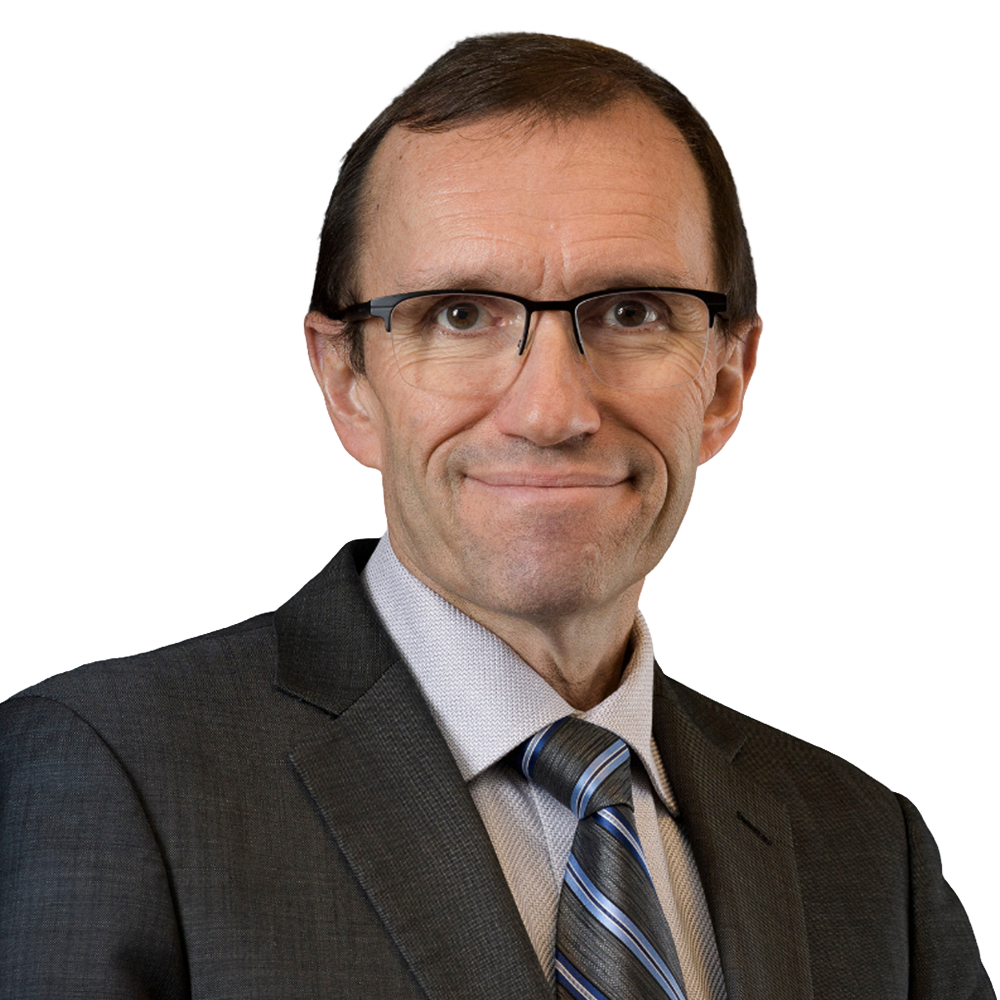
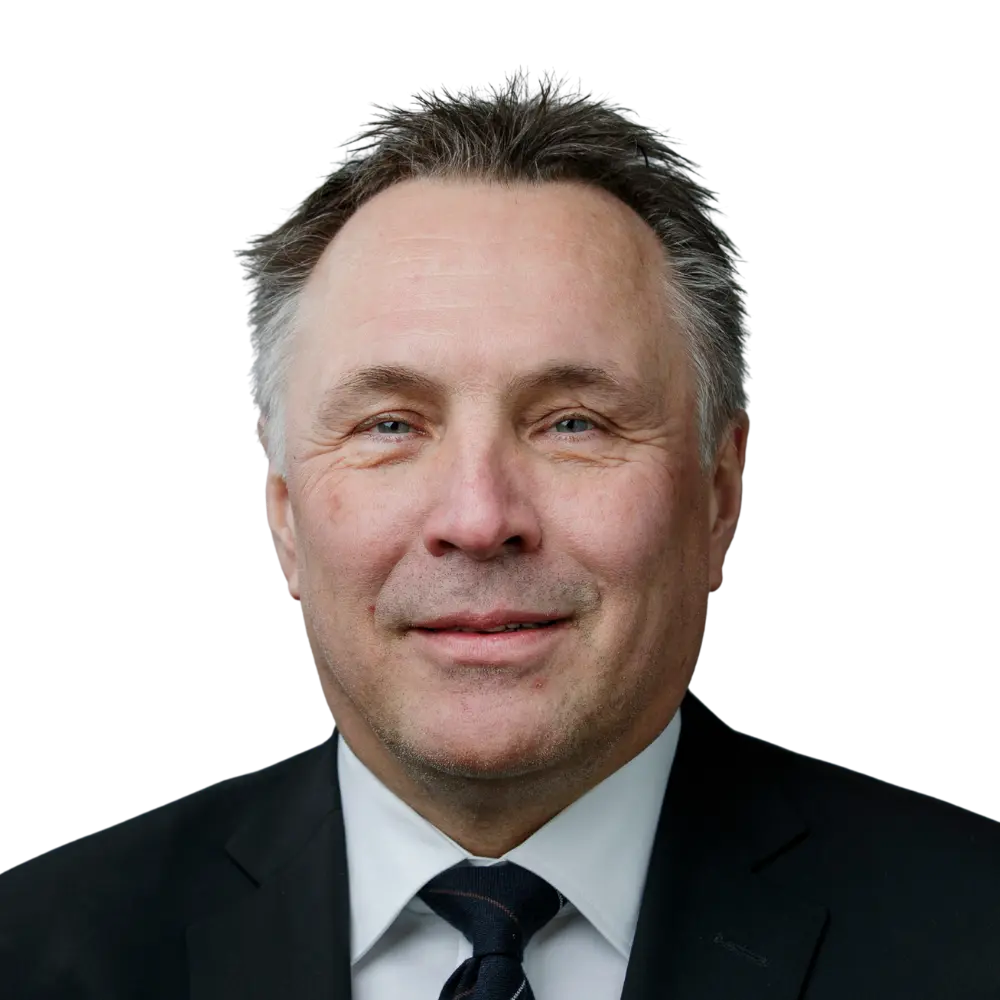
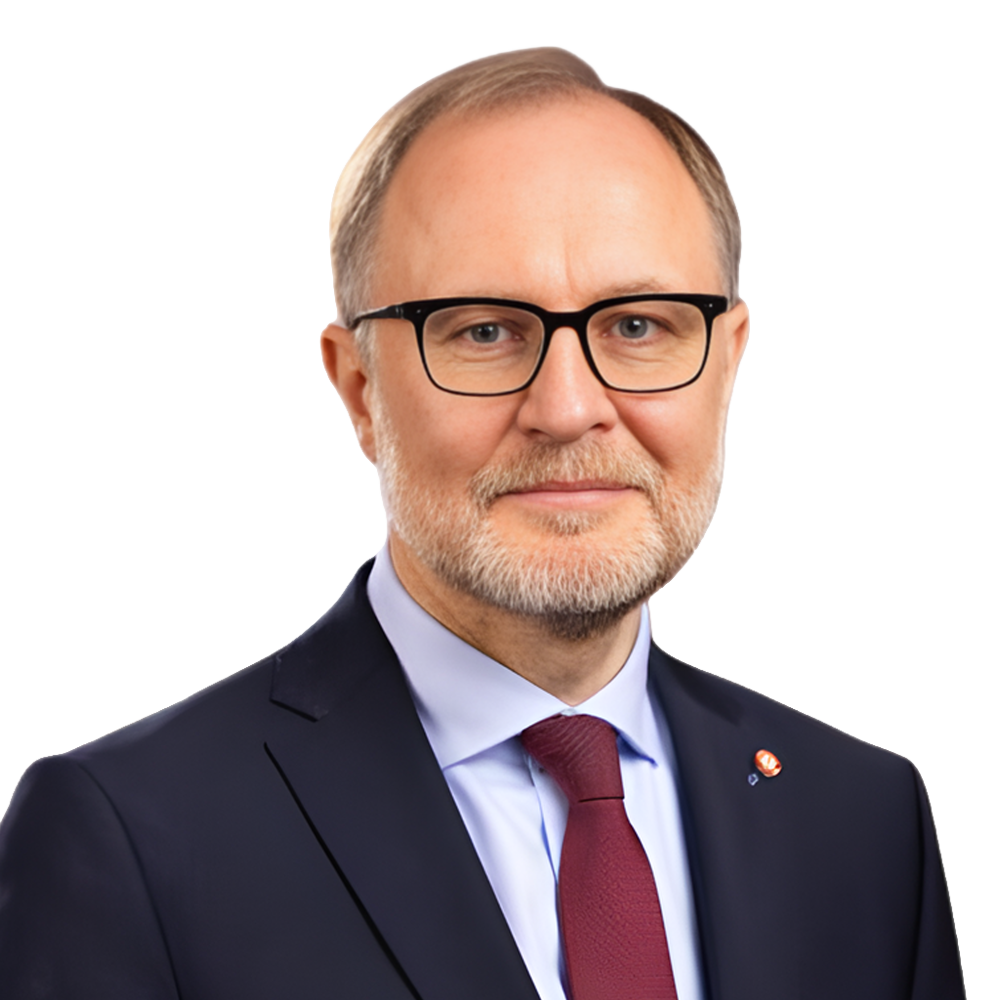
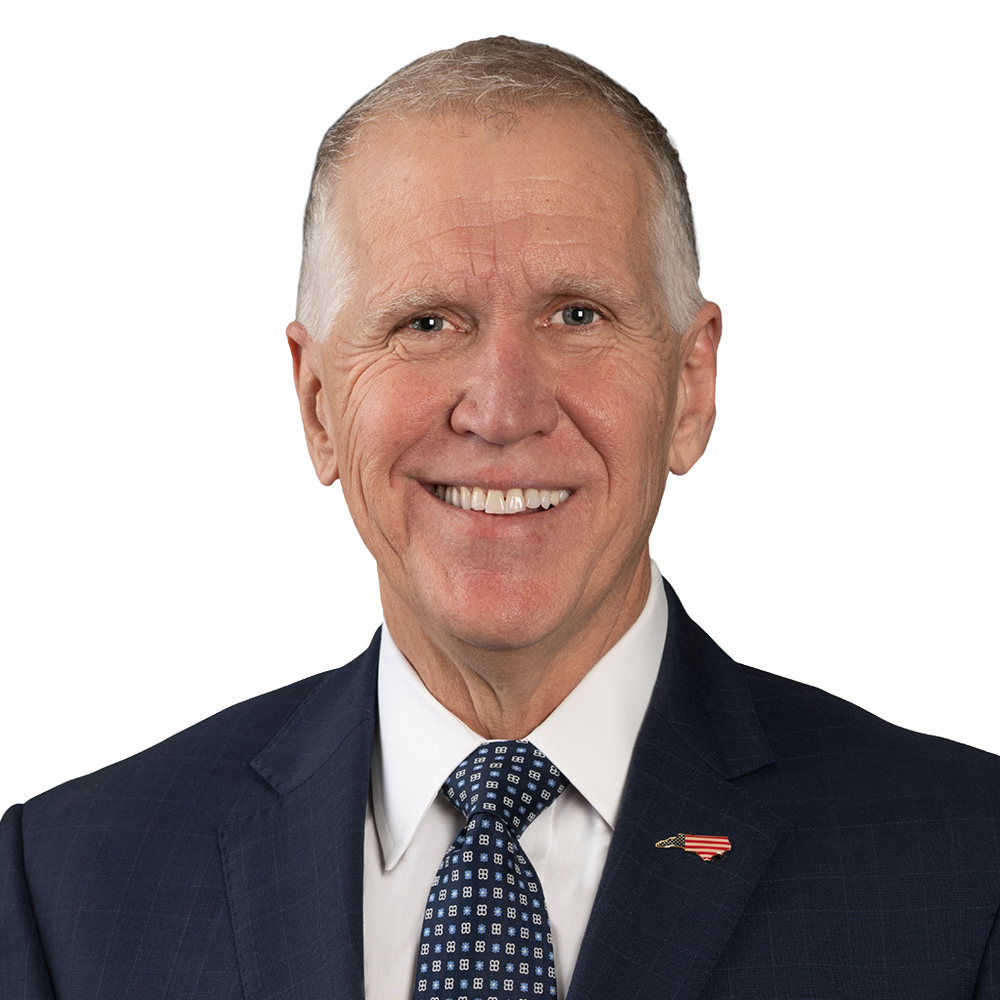
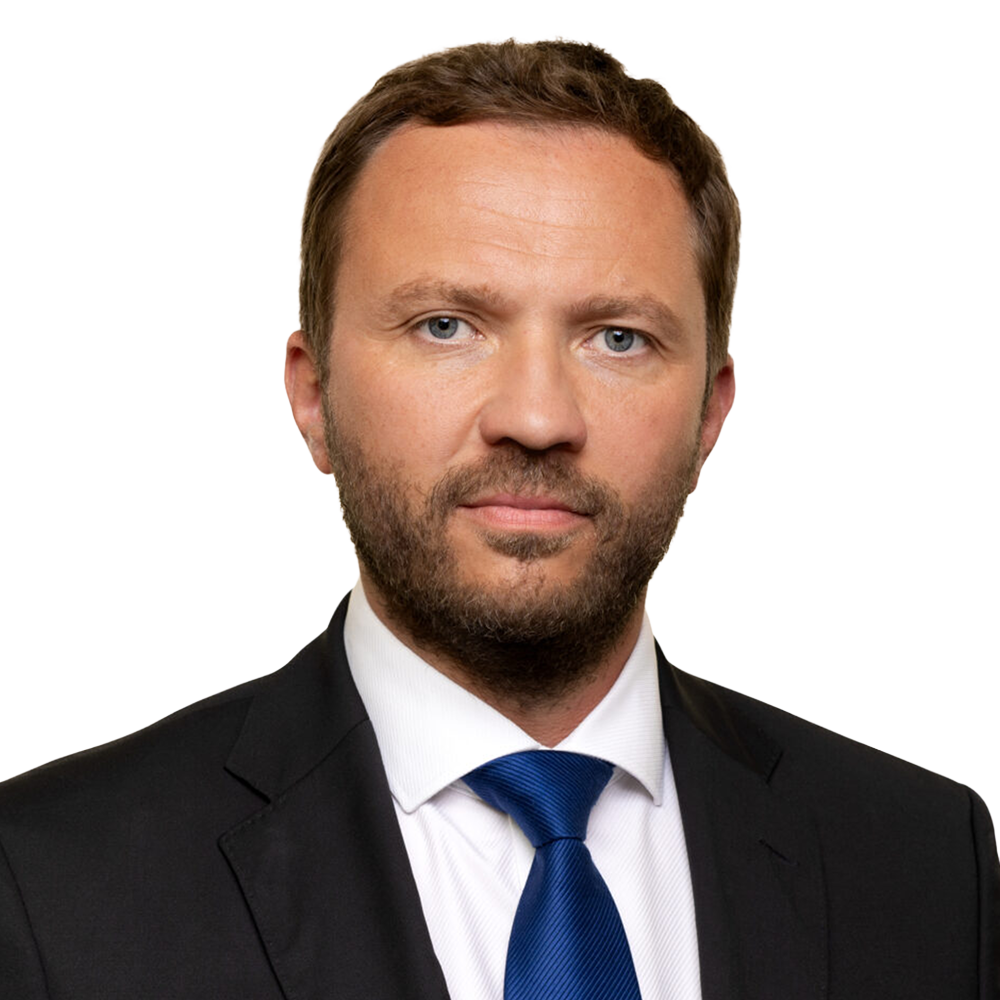
The discussion brought together over 30 senior political and security leaders, including:

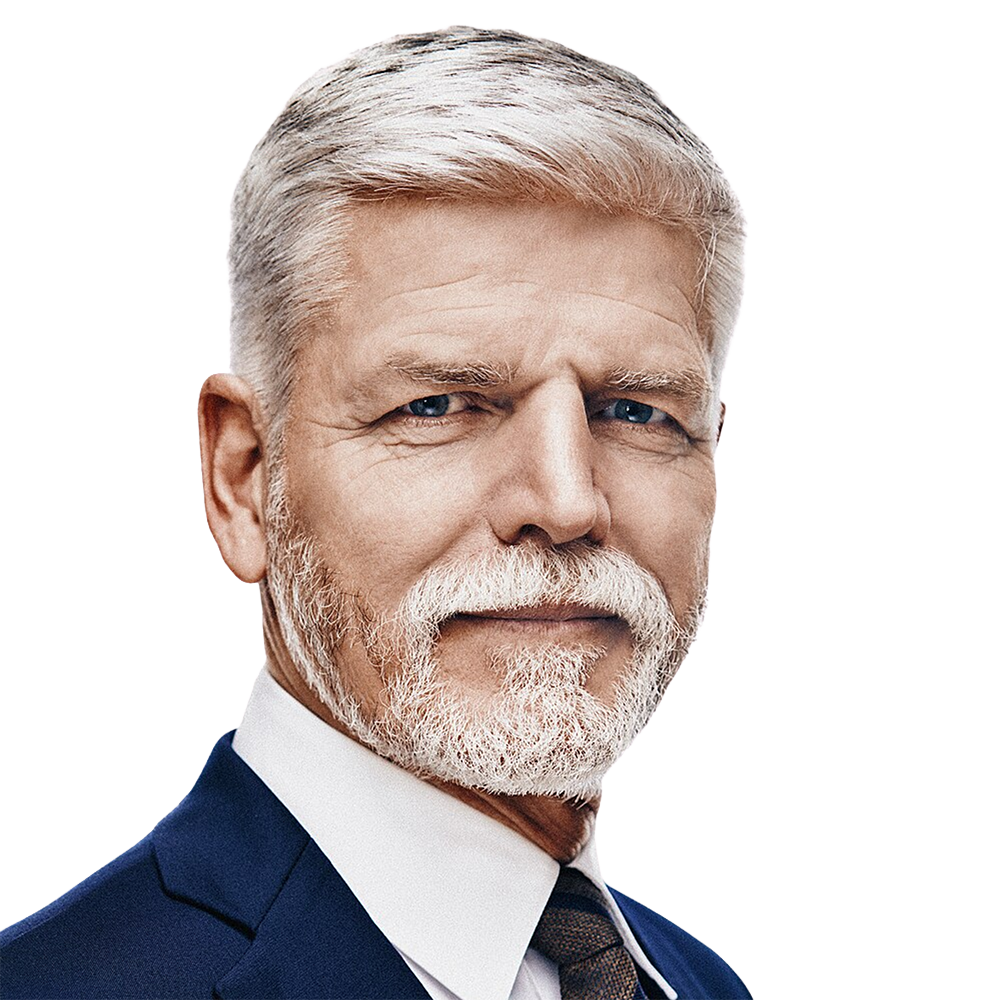
  • Petr Pavel, President of the Czech Republic
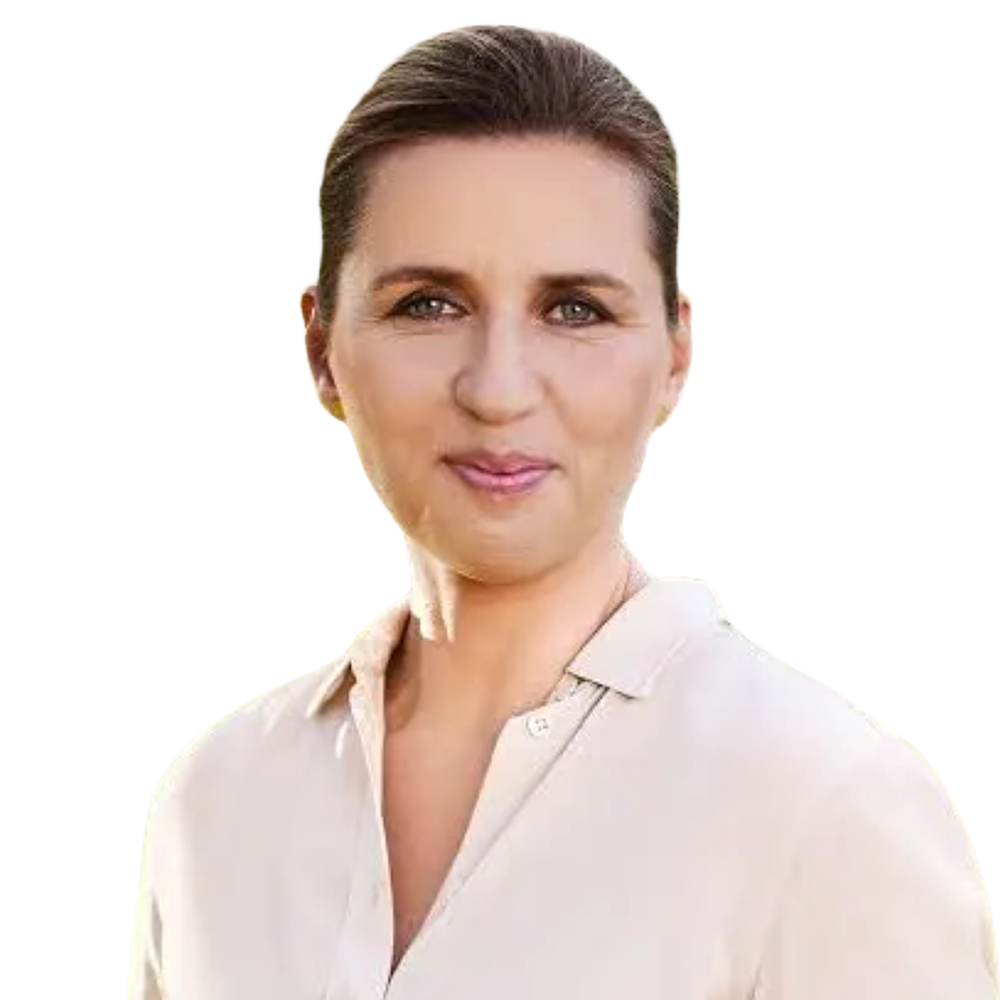
  • Mette Frederiksen, Prime Minister of Denmark
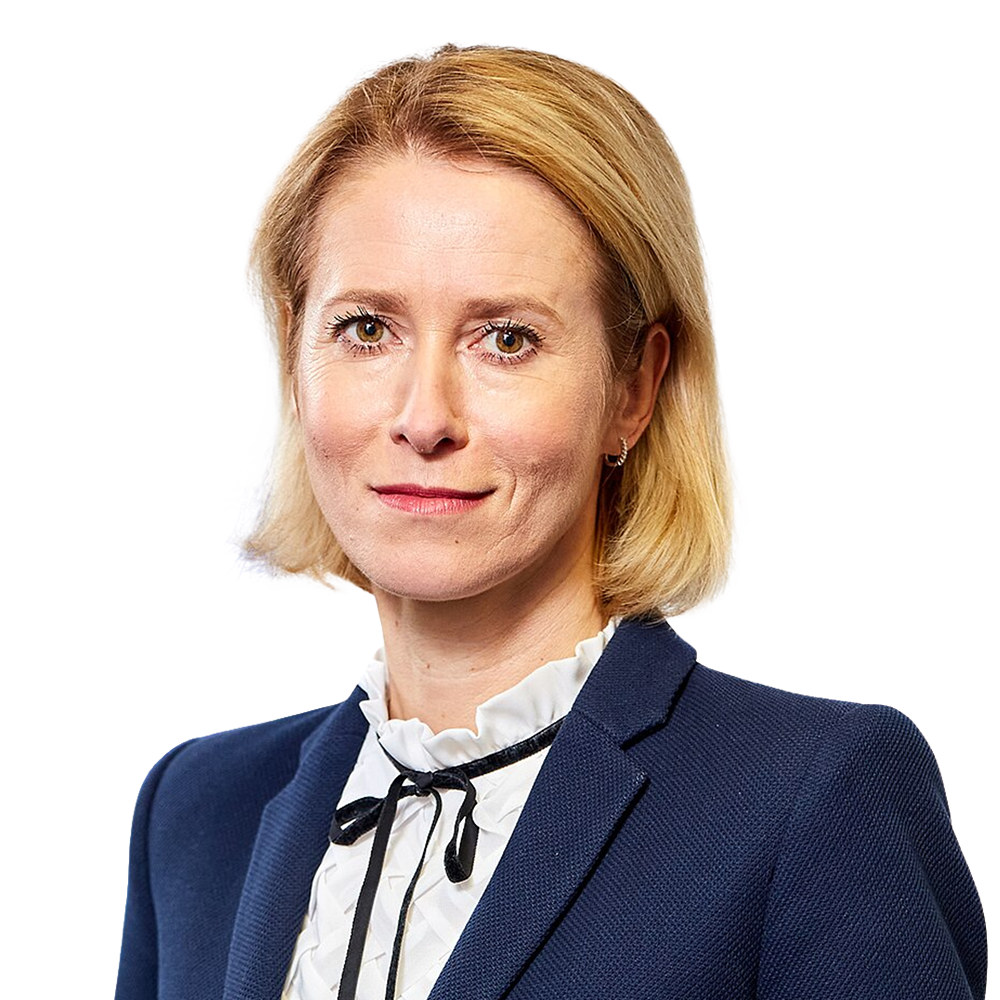
  • Kaja Kallas, Vice-President and High Representative of the European Commission
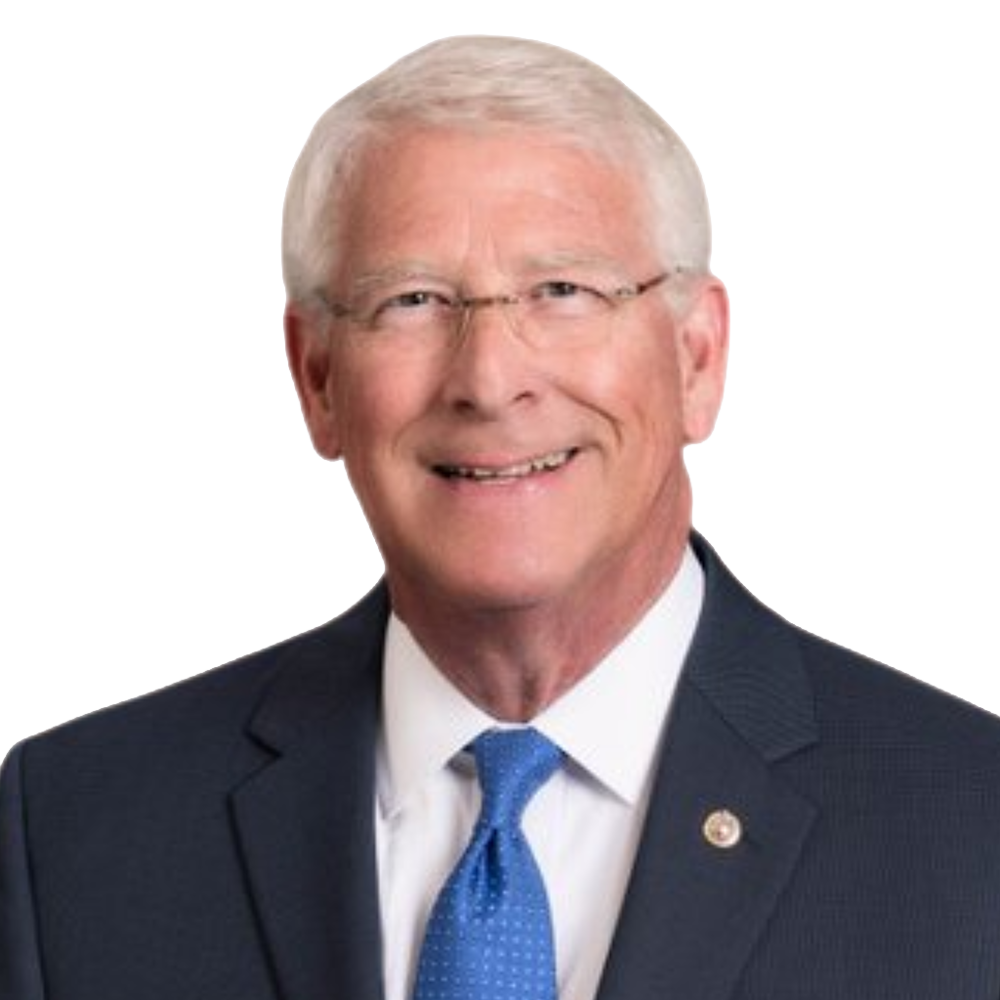
  • Roger Wicker, U.S. Senator, Chairman of the Senate Committee on Armed Services
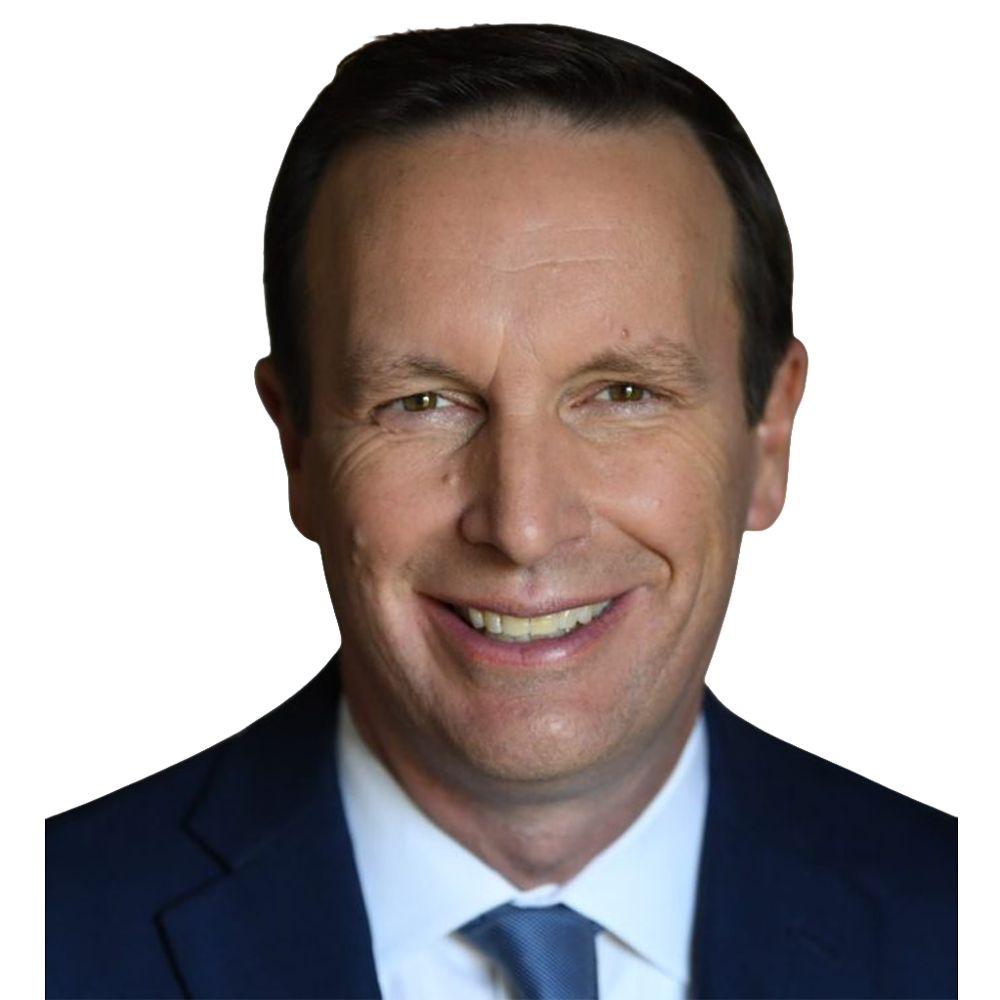
  • Christopher Murphy, U.S. Senator, Member of the Senate Foreign Relations
    Committee


The dinner focused on how Europe can move from shared assessments to concrete
execution – strengthening deterrence, accelerating defence industrial capacity, sustaining long-term support for Ukraine, and raising the costs of Russian aggression. The exchange reinforced a common understanding that durable peace will not emerge from fragile agreements or strategic ambiguity, but from resolve, unity, and Europe’s ability to act decisively.

By convening this closed-door dialogue, the Warsaw Security Forum reaffirmed its role as a trusted platform for high-level, off-the-record engagement among leaders shaping the future of European and transatlantic security.
Key takeaways

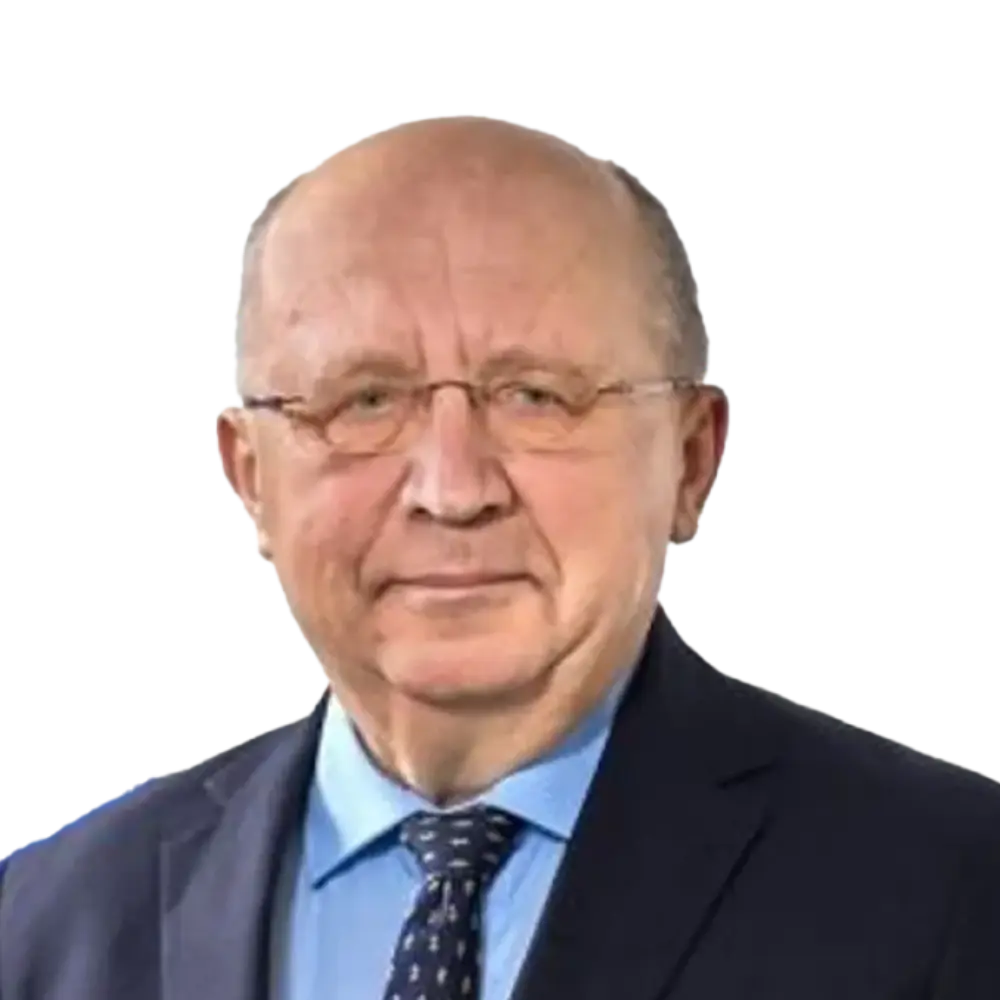
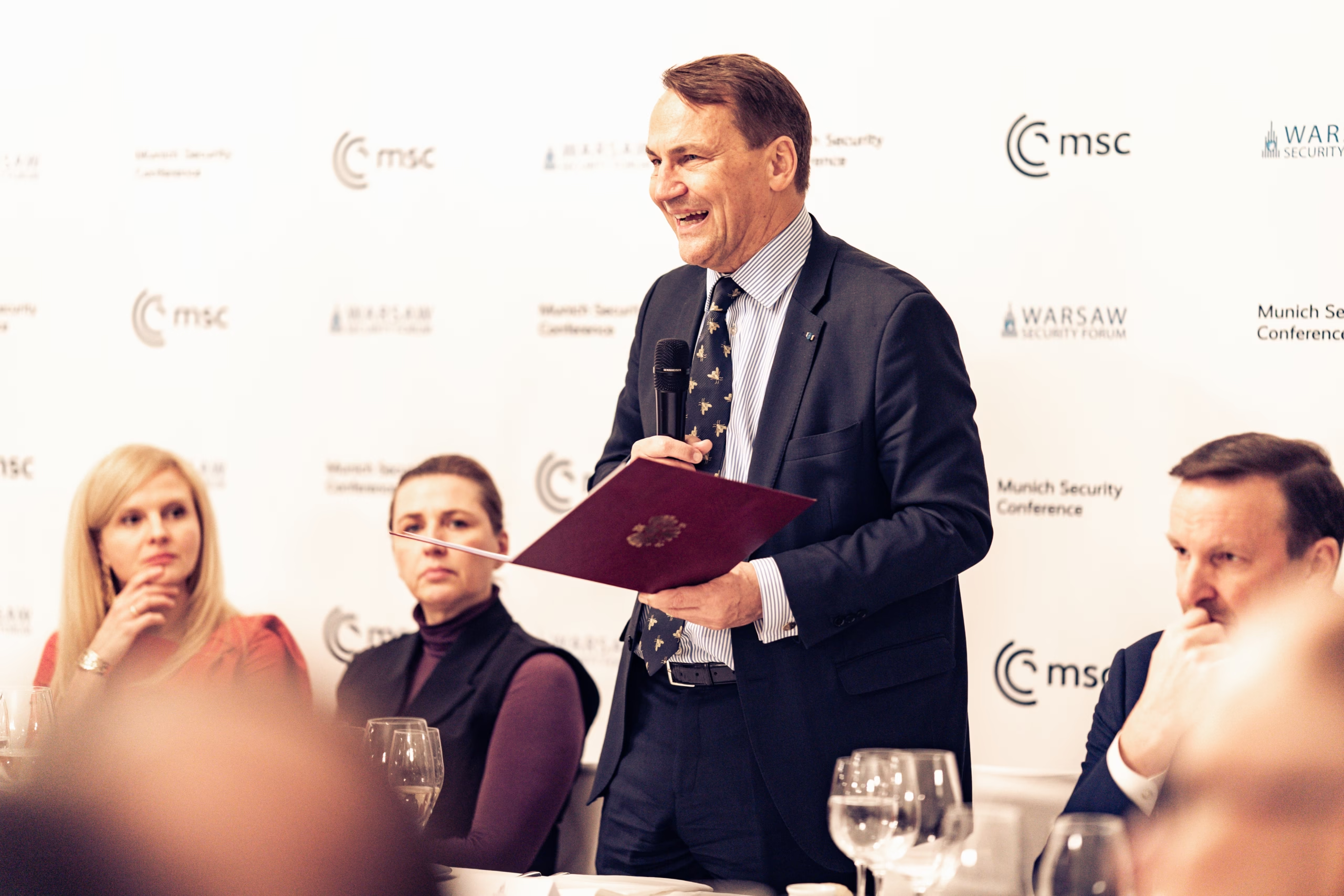
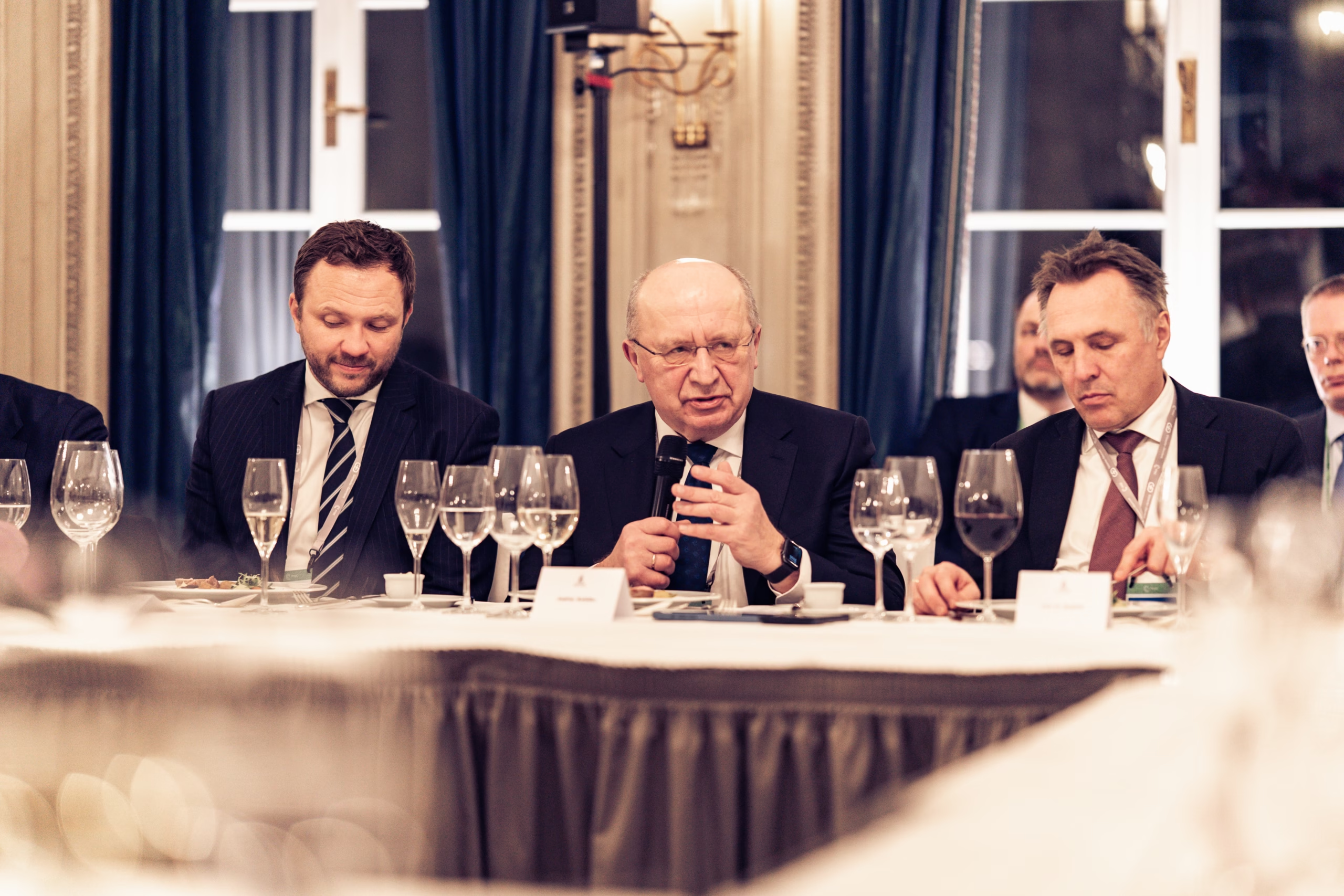
Alongside the main panel, Prof. Katarzyna Pisarska hosted a high-level working dinner titled: Thinking Transatlantic Relations Anew: Mapping the New European Security Architecture and Russia Strategy. Notable participants included: Alexander Stubb — President of Finland; Radosław Sikorski — Minister for Foreign Affairs of Poland; Oleksiy Chernyshov — Deputy Prime Minister of Ukraine; Brian Mast — Chairman of the House Committee on Foreign Affairs, USA; Jason Crow — Member of the House of Representatives, USA; Michael McCaul — Member of the House Committee on Foreign Affairs, USA; Michael Ray Turner — Member of the House Committee on Oversight and Government Reform, USA; Andrius Kubilius — Commissioner for Defence and Space, European Commission; Baiba Braže — Minister of Foreign Affairs, Latvia; Benjamin Haddad — Minister Delegate for European Affairs, France; Pål Jonson — Minister for Defence, Sweden; Hanno Pevkur — Minister of Defence, Estonia.

The discussion, held under Chatham House Rules, allowed for an open exchange on the future of US-Europe relations, ensuring bipartisan representation and strong advocacy for Ukraine. Insights from this discussion later shaped WSF media engagements and international press interviews.

Key Takeaways from WSF at MSC 2026

Europeanizing NATO and Strengthening EU Defense Capabilities
  • We must sustain long-term increases in defense spending and avoid any return to
    post-Cold War reductions.
  • Europe has to accelerate joint procurement and expand the European defense
    industrial base, including nuclear deterrence.
 
Only Deterrence, Not Illusions of Peace Agreement Can Prevent a Wider War
  • Long peace in Europe led us to believe that it is possible to avoid escalation – but to
    maintain peace we must prepare for war.
  • Continued military support for Ukraine is crucial. We must equip Ukraine with
    sufficient air defenses to protect its energy systems and weapons capable of striking
    Russian territory.
  • A premature or unsustainable ceasefire would only give Russia time to rearm and
    would bring the risk of a broader continental war closer than ever.
 
Intensifying Economic Pressure on Russia
  • Russia’s economy is stagnating, its armed forces are making only limited gains on
    the battlefield. This is the moment to intensify pressure on Russia – both
    economically and militarily.
  • The EU must advance decisions regarding the strategic use of frozen Russian assets
    – a move would demonstrate European strength to both Russia and the US.
  • Both UE and the US must expand sanctions and close their circumvention, ,
    particularly those involving energy exports and indirect trade through third-country
    channels.
 
Europe’s Victory Requires European Thinking
  • It is necessary that Ukraine is integrated into the Euro-Atlantic community.
  • We must speak with one coherent voice internally and across the Atlantic to reinforce
    credibility and deterrence.
  • Europe must become more flexible in decision making. EU and NATO political
    procedures must be adapted to prevent paralysis.

List of Contributors

Gallery