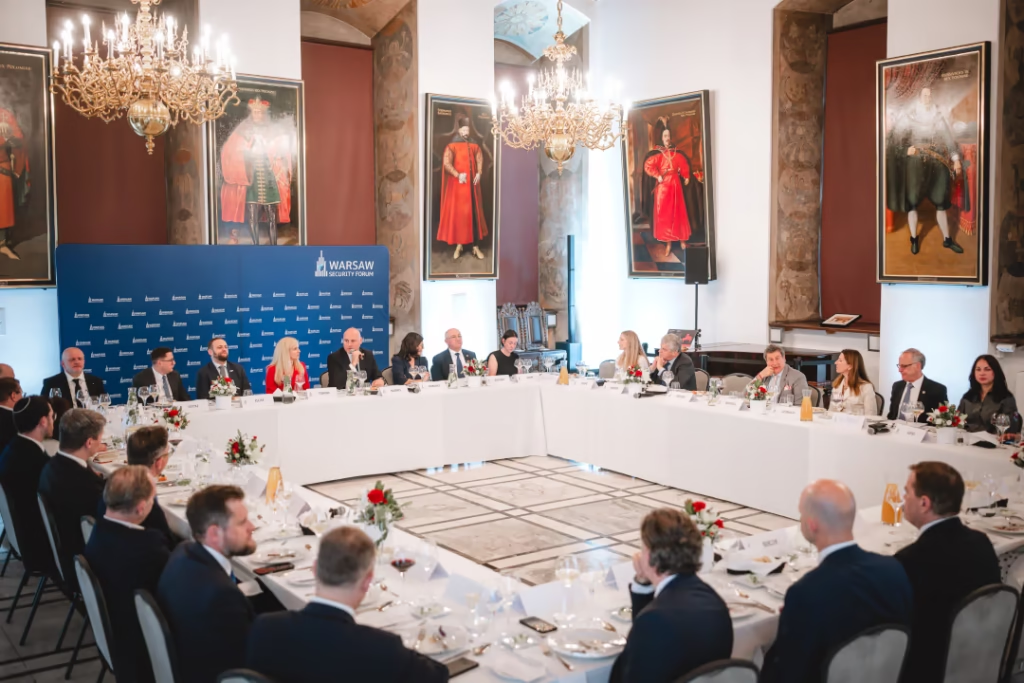
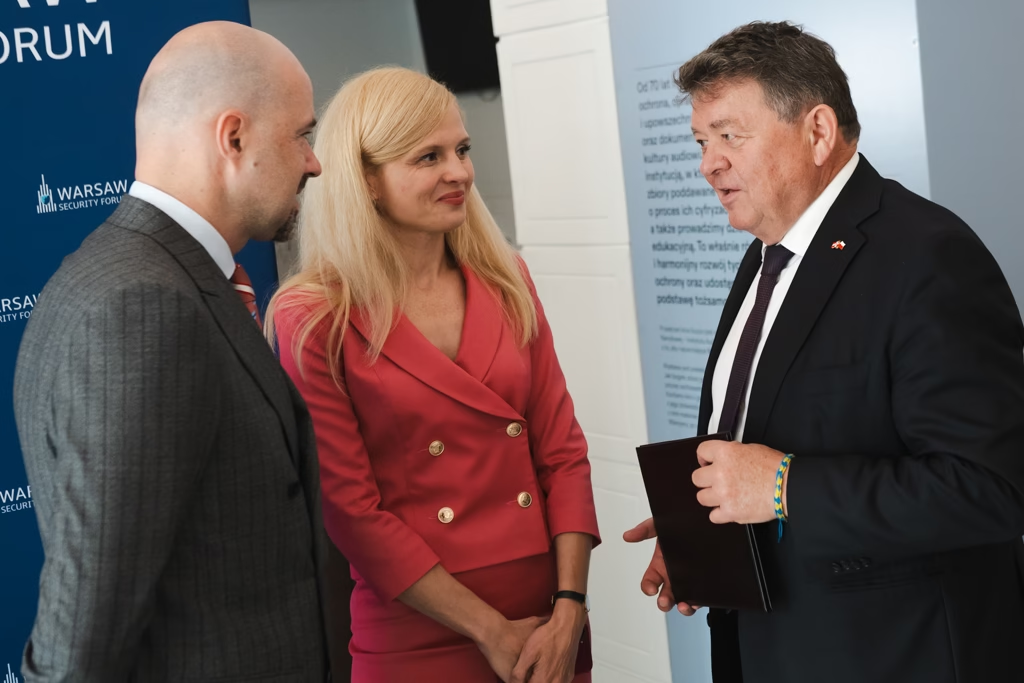
Nordic-Baltic-Polish Delegation to Washington D.C.
Warsaw Security Forum Leads High-Level Nordic-Baltic-Polish Parliamentary Delegation to Washington D.C.
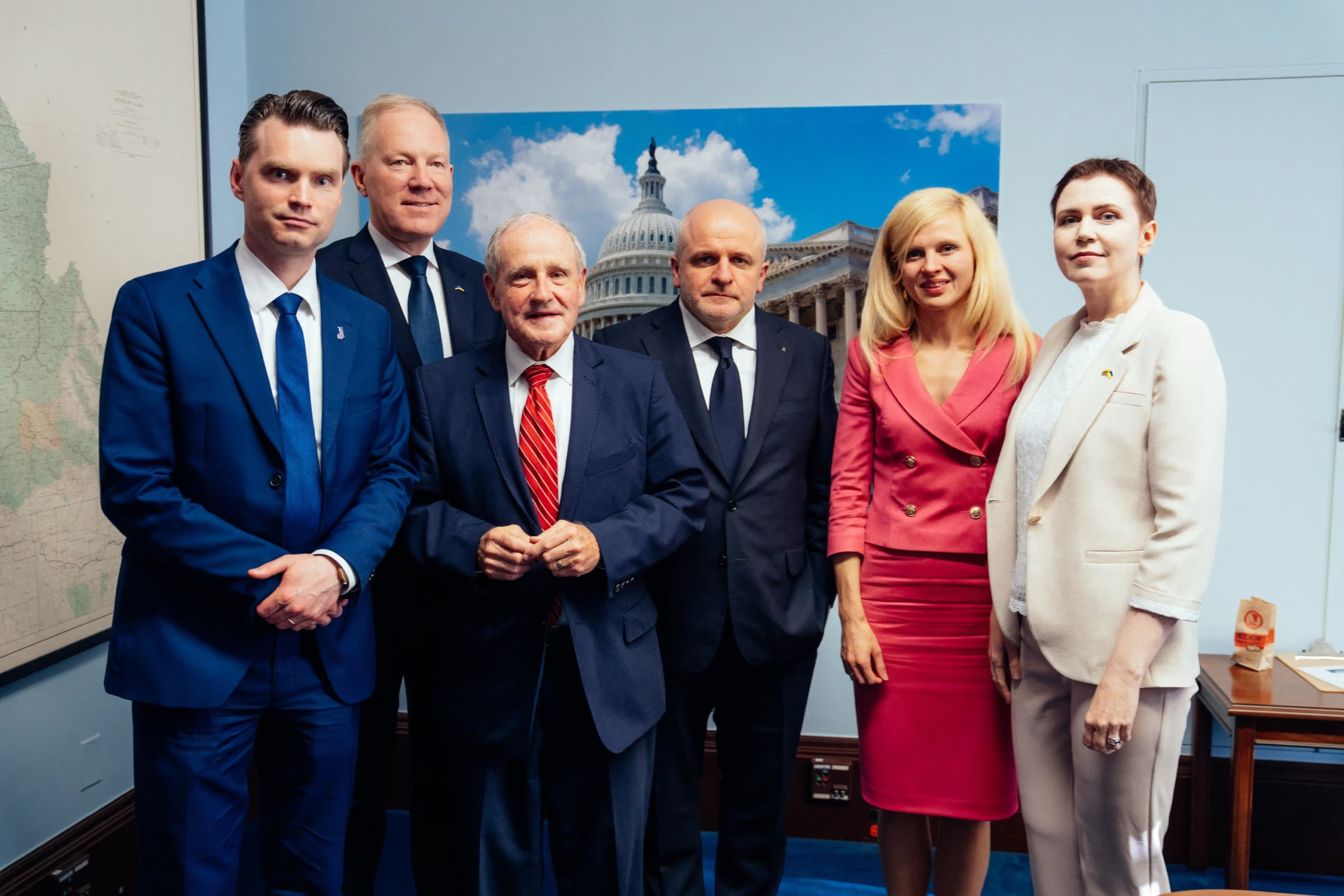
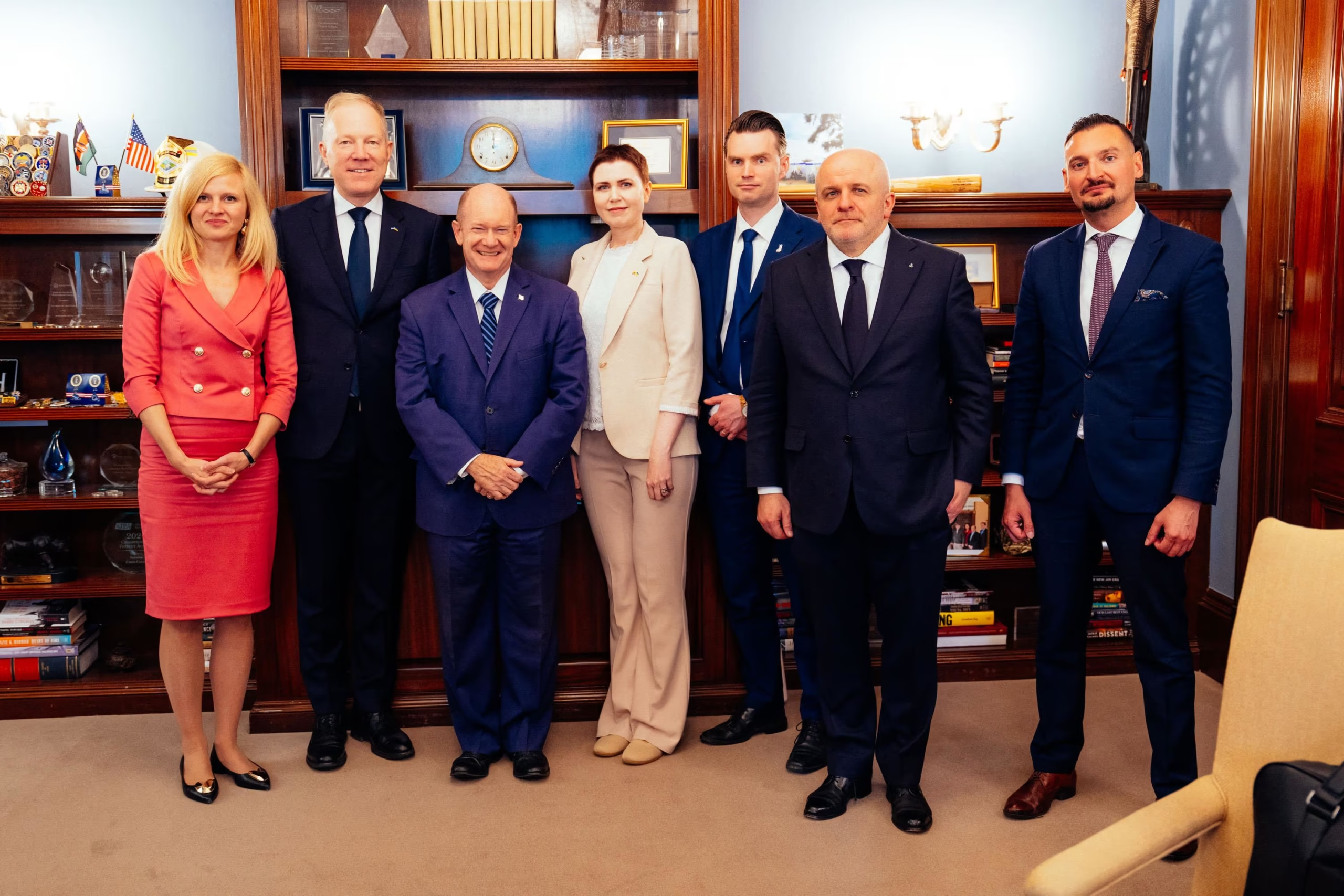
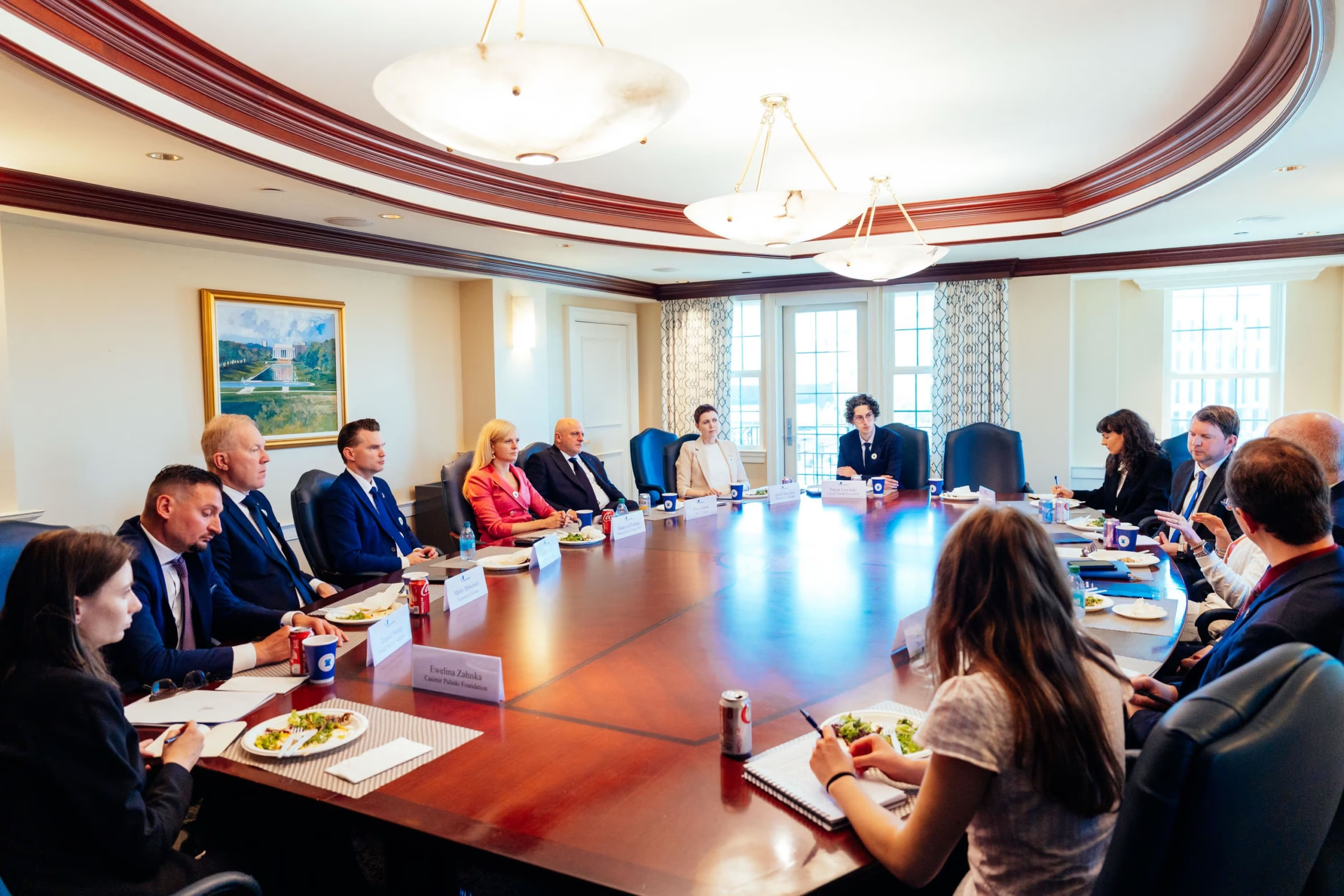
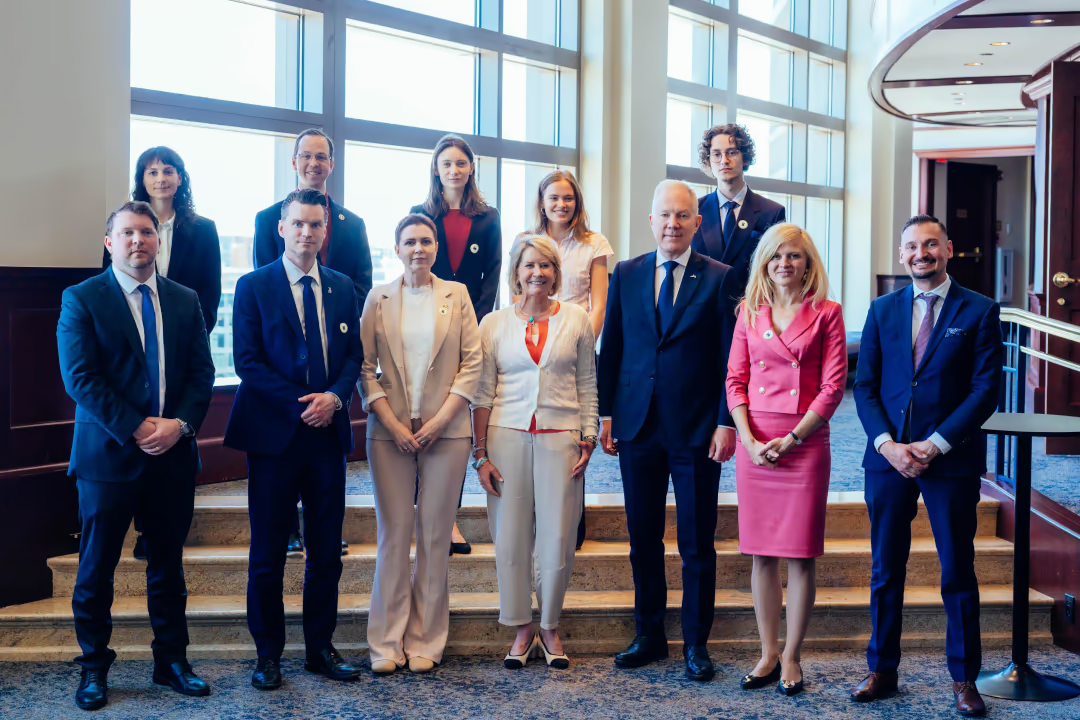
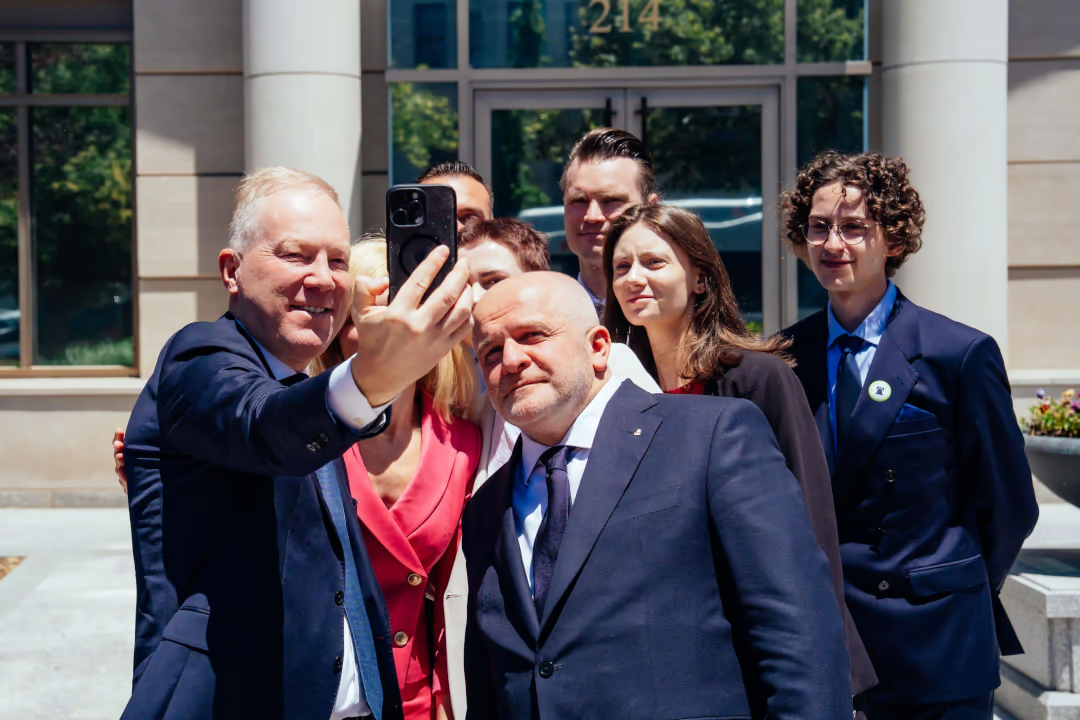
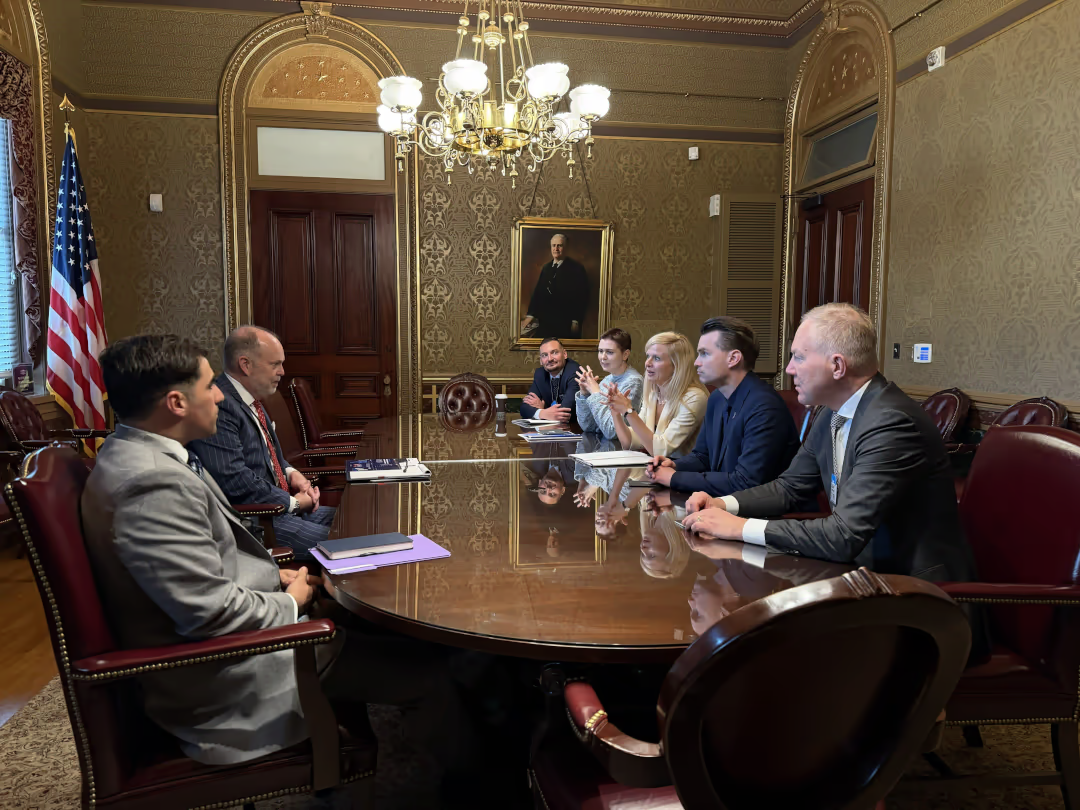
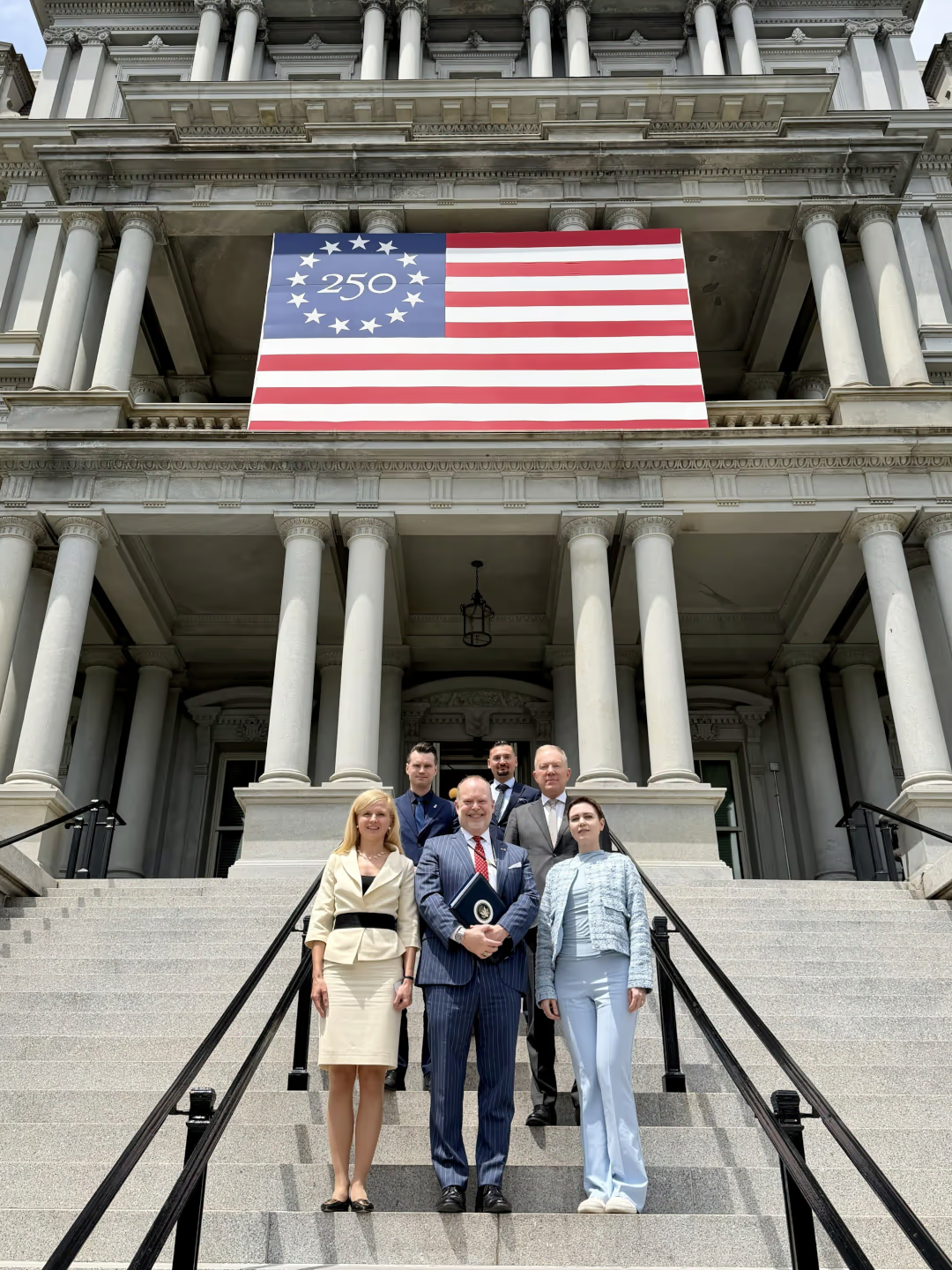
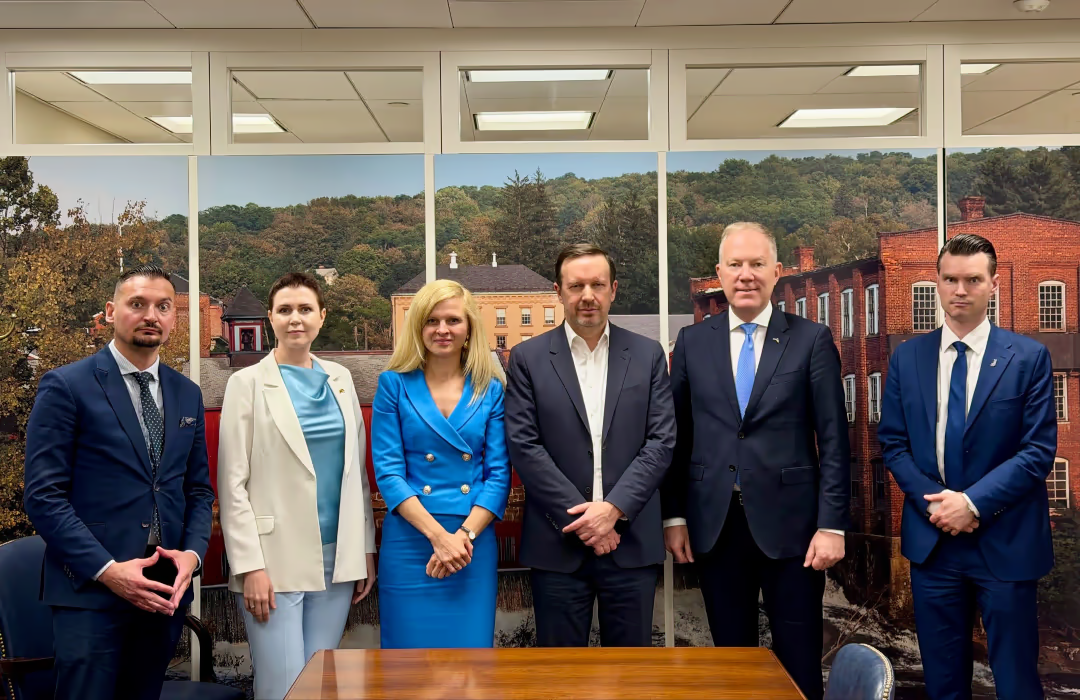
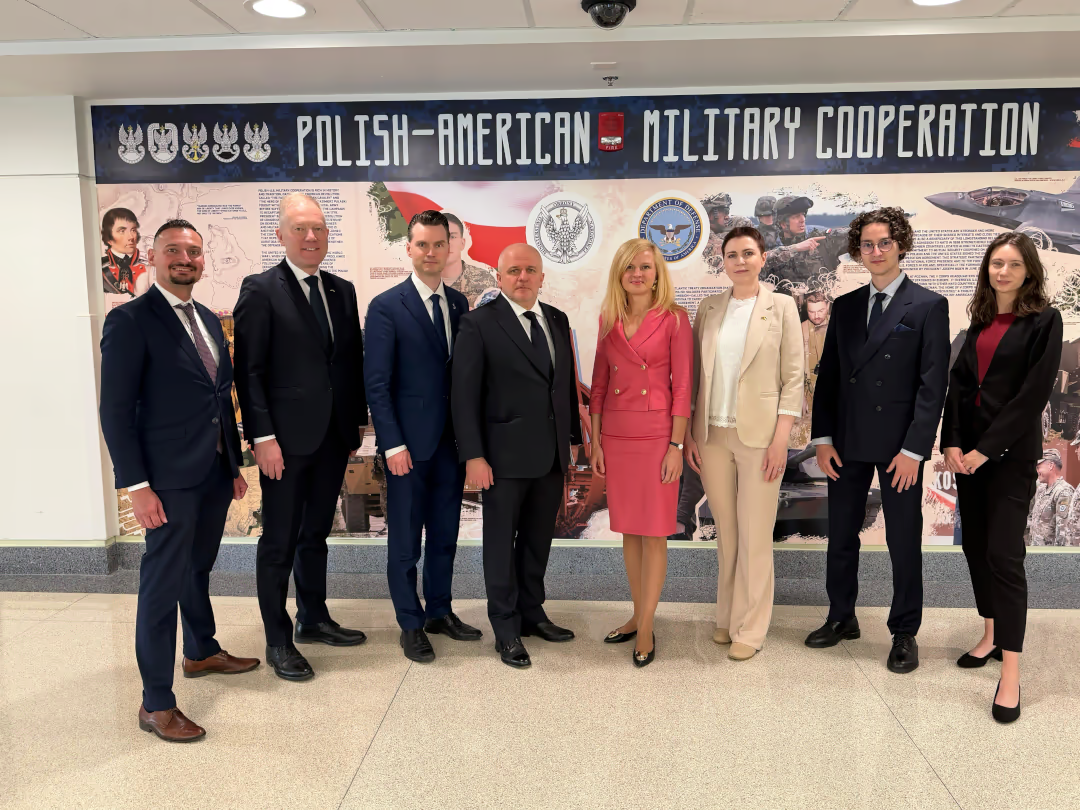
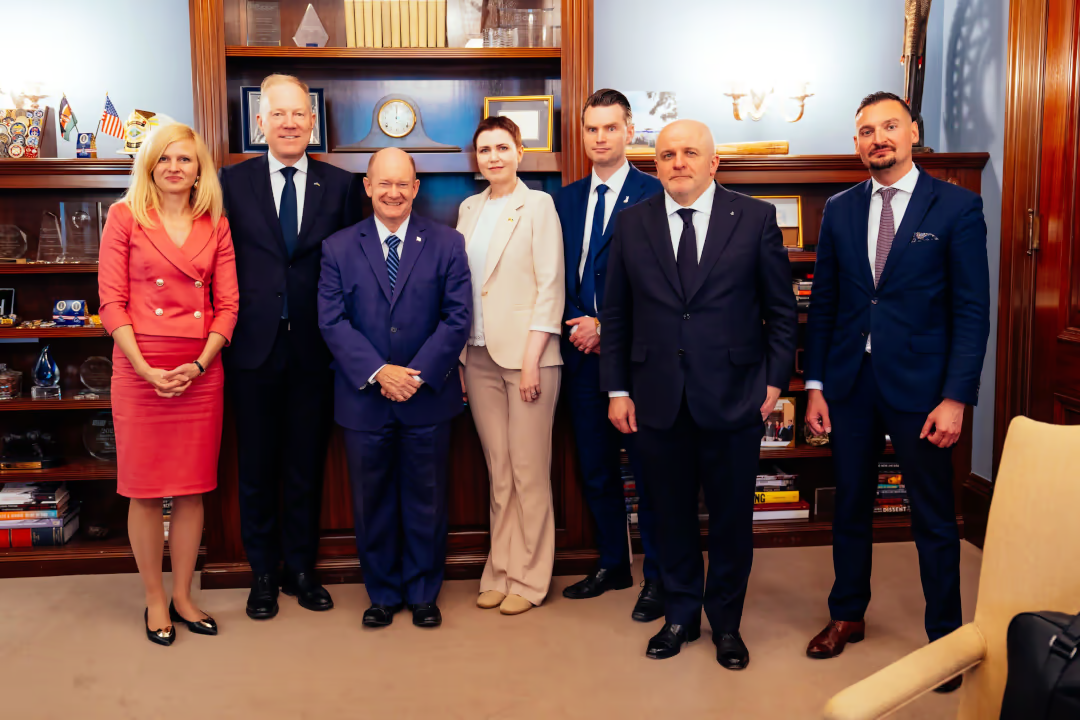
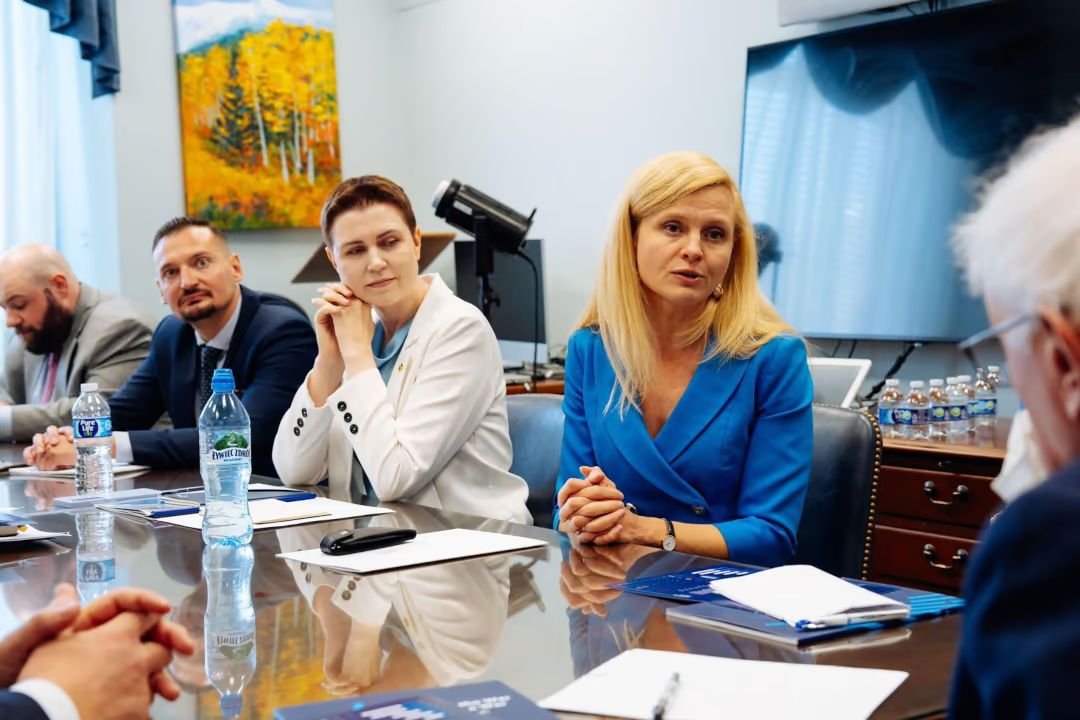
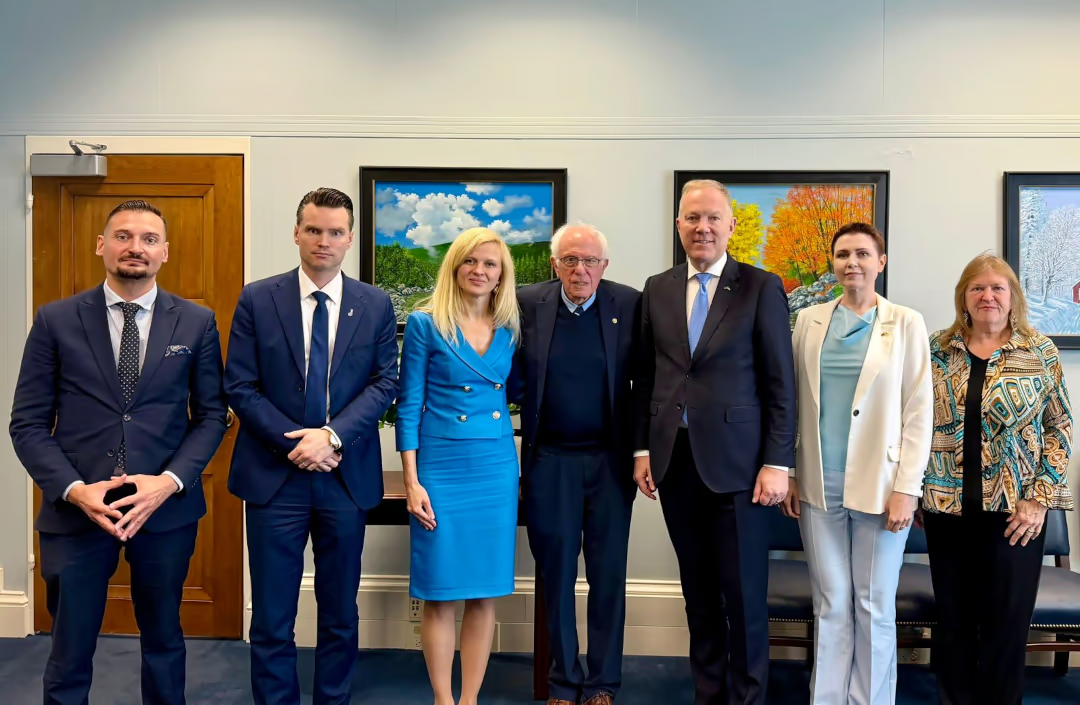
The Warsaw Security Forum has concluded its annual advocacy mission to Washington D.C., bringing together a senior parliamentary delegation representing the strategic frontline of NATO’s Northern and Eastern Flanks. The multi-day visit united some of the region’s most influential lawmakers for an ambitious series of engagements across the U.S. Administration, Congress, and the transatlantic expert community.
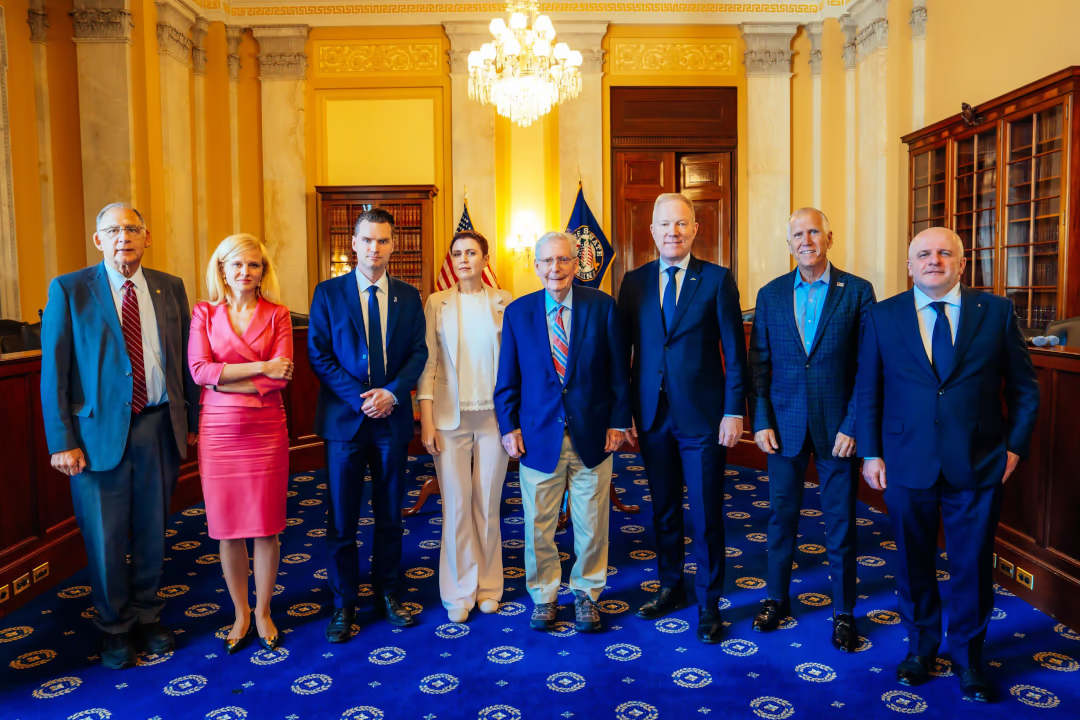
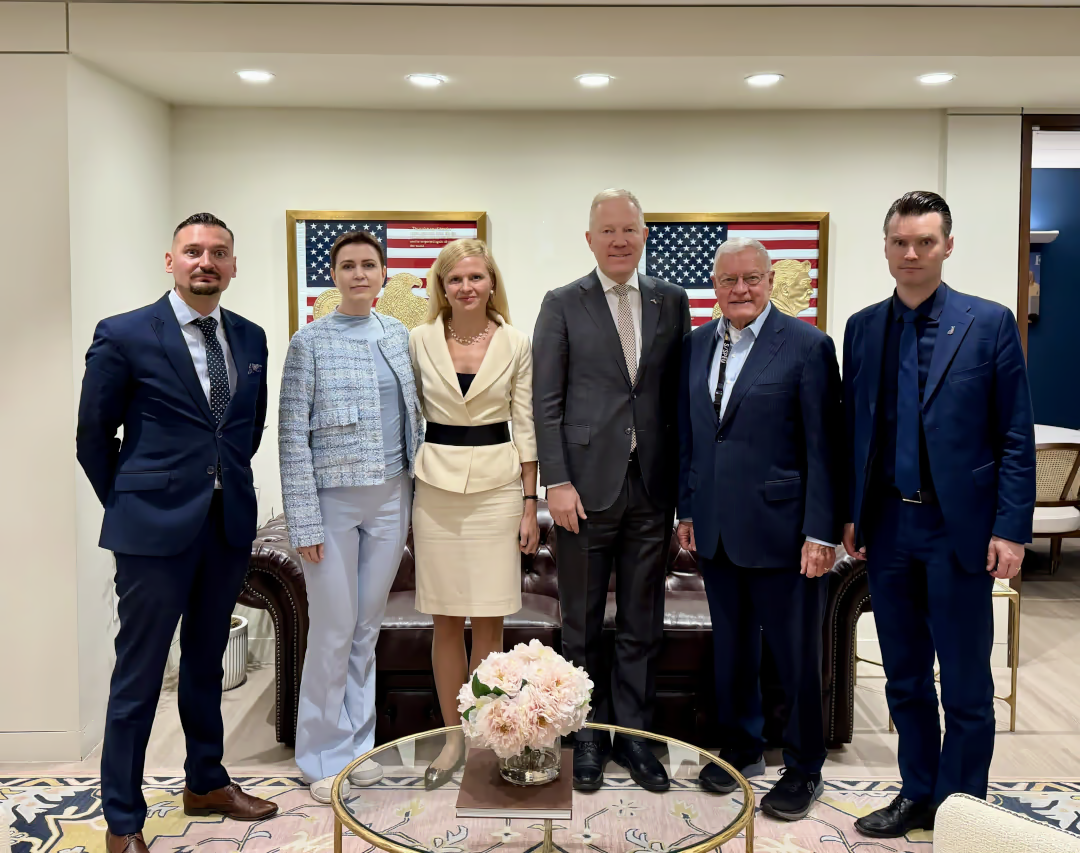
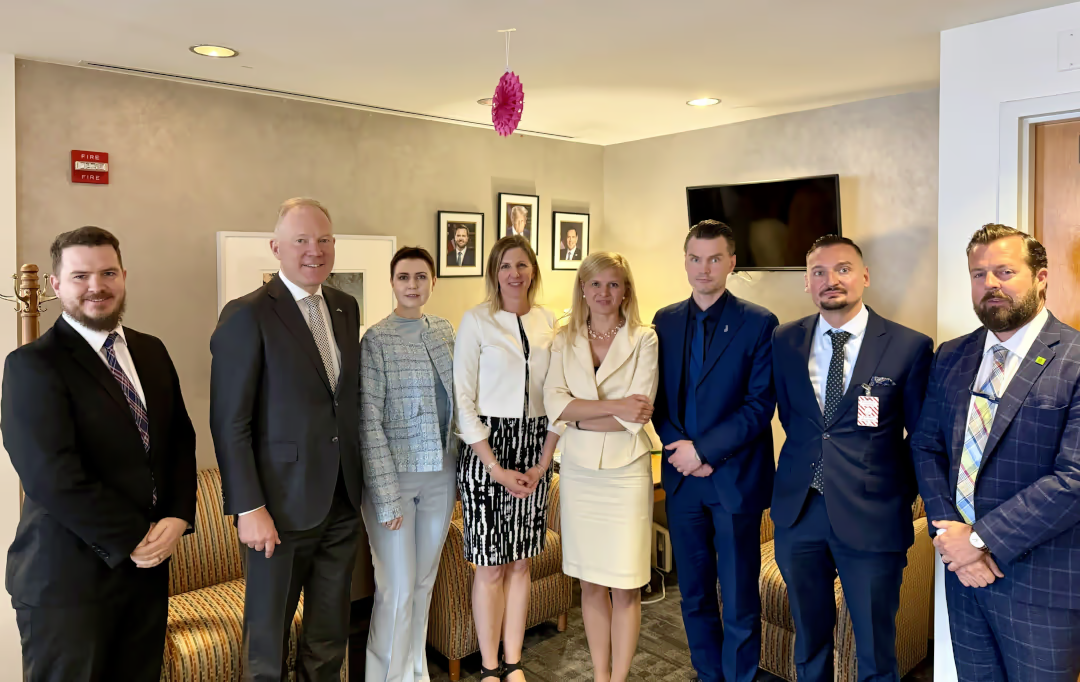
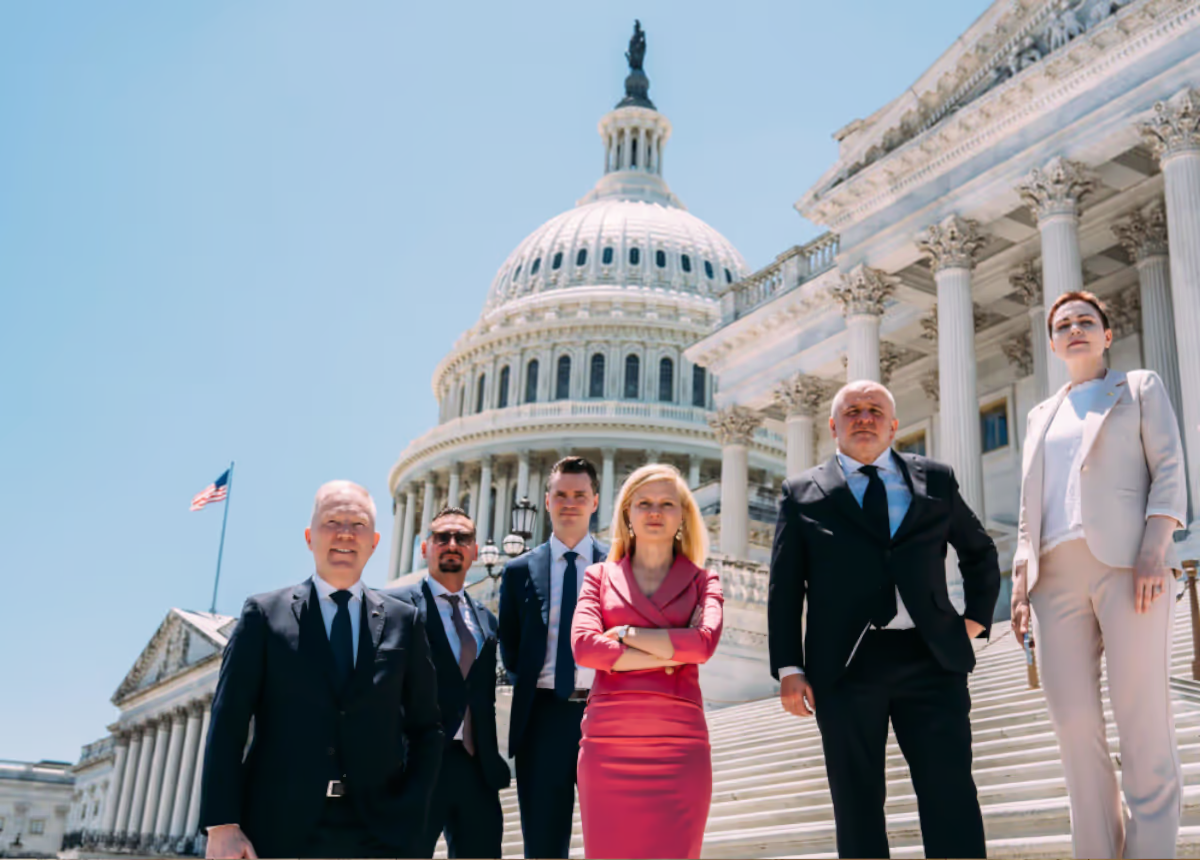
The delegation, led by Prof. Katarzyna Pisarska, included:
- Heikki Autto, Chair of the Defence Committee and Member of Parliament of Finland,
- Paweł Kowal, Chair of the Foreign Affairs Committee and Member of the Sejm of Poland,
- Marko Mihkelson, Chair of the Foreign Affairs Committee and Member of Parliament of Estonia
- Dovilė Šakalienė, Former Minister of Defence and Member of Parliament of Lithuania,
The WSF team was also represented by Tomasz Smura, Ewelina Załuska, and Patryk Litwiński.
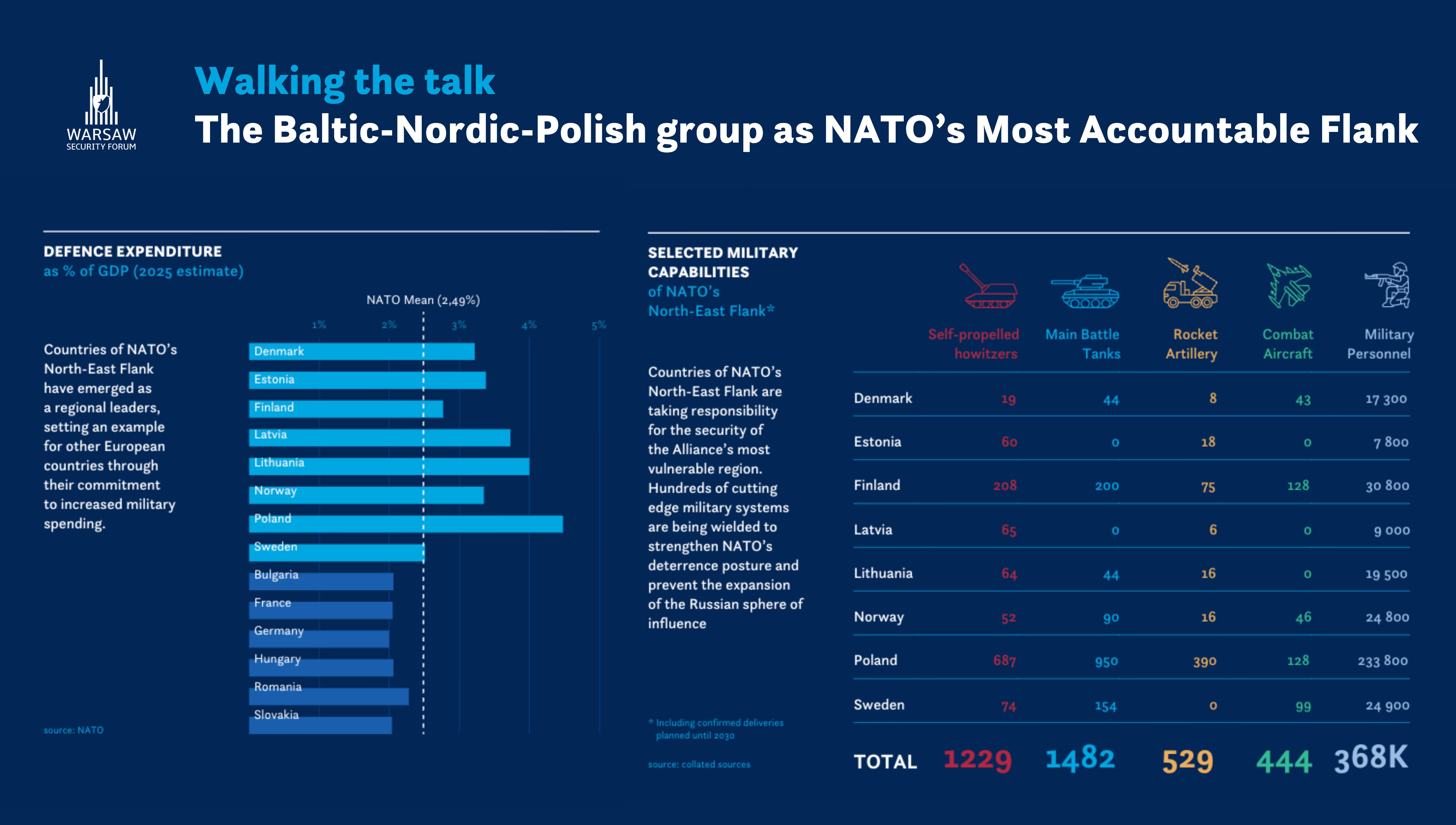
Walking The Talk: The Nordic-Baltic-Polish group as NATO’s Most Accountable Flank
The mission’s significance is rooted in hard data. The Nordic-Baltic-Polish axis is NATO’s most accountable flank: every country in the region exceeds the Alliance’s 3.5% GDP defence spending benchmark, with Polish, Estonia, Finland, and the Baltic states among the top contributors globally. The nine countries have also emerged as the leading contributors to Ukraine’s defence, dedicating €54 billion since 2022, more per capita than any other part of the Alliance. This is the context the delegation carried to Washington: a region that is walking the talk, and expecting its partners to do the same.

The mission’s overarching aim was to advance a forward-looking, high-level dialogue with American counterparts – synchronizing shared threat perceptions on Russia, reinforcing Europe’s commitment to greater responsibility for its own security, and coordinating priorities ahead of the upcoming Ankara Summit.
The Executive Branch and Washington's Expert Community
The first days of the mission focused on high-level engagements across the U.S. Executive Branch and Washington’s leading think tanks. The delegation held strategic consultations at the National Security Council, the Department of State, and the Pentagon, where they underscored Europe’s growing defence contributions, the irreplaceable role of U.S. forward presence on NATO’s flanks, and the imperative of sustained support for Ukraine.
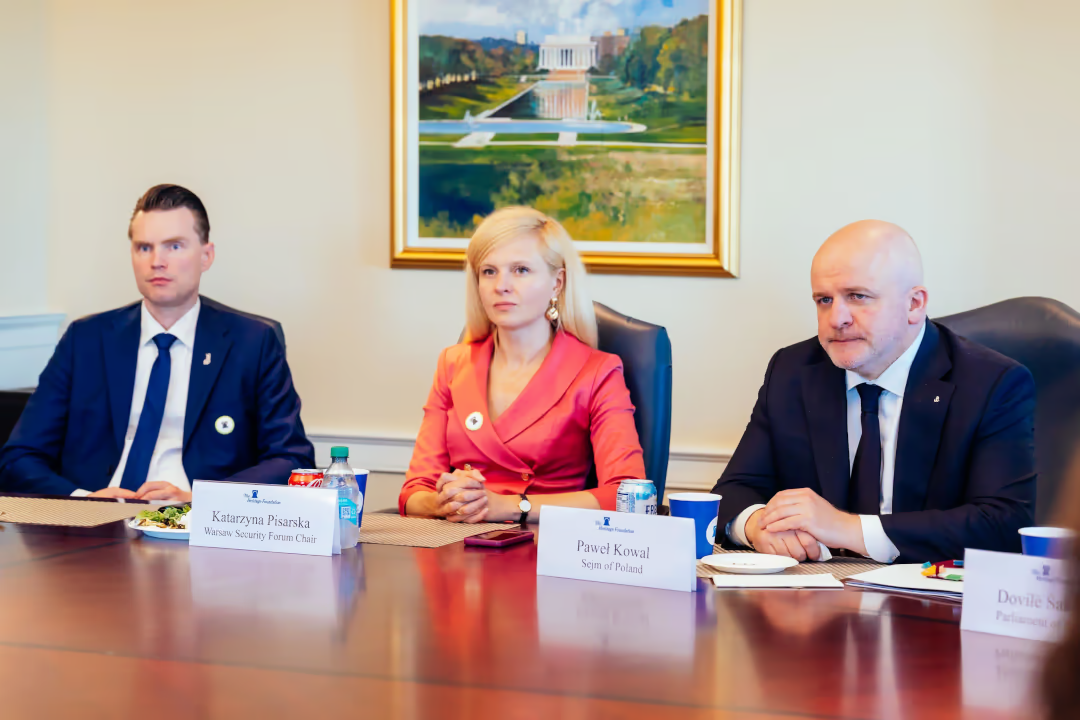
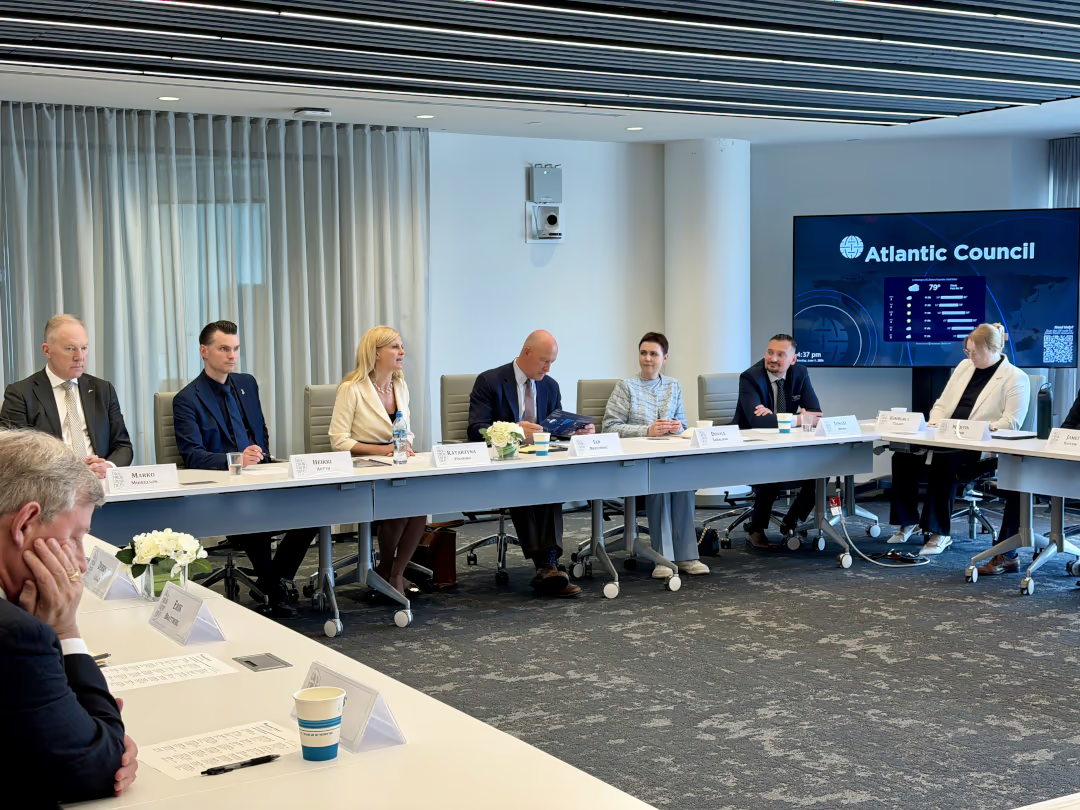
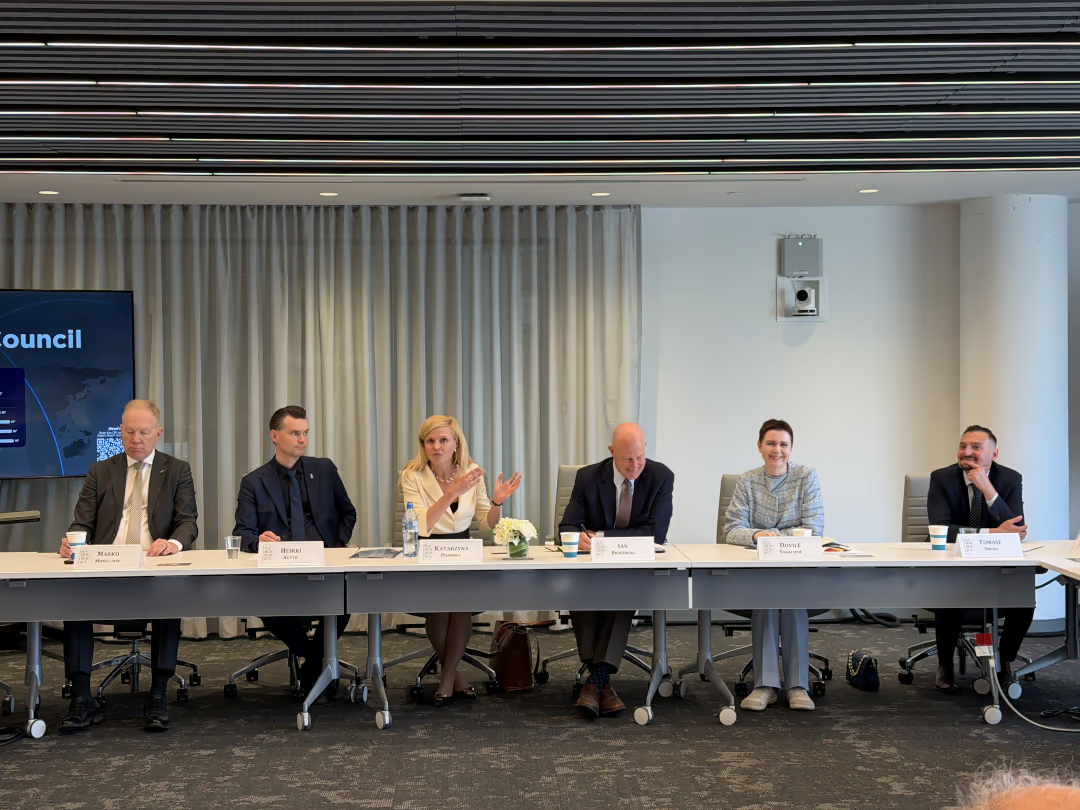
To shape the broader strategic conversation, the delegation also engaged with Washington’s policy community, holding briefings and roundtables at the America First Policy Institute, the Heritage Foundation, and the Atlantic Council. These discussions centered on regional threat assessments regarding Russia, transatlantic burden-sharing, deterrence architecture on NATO’s Eastern Flank, and shared priorities ahead of the upcoming Ankara Summit.
Capitol Hill: Bipartisan Congressional Engagement
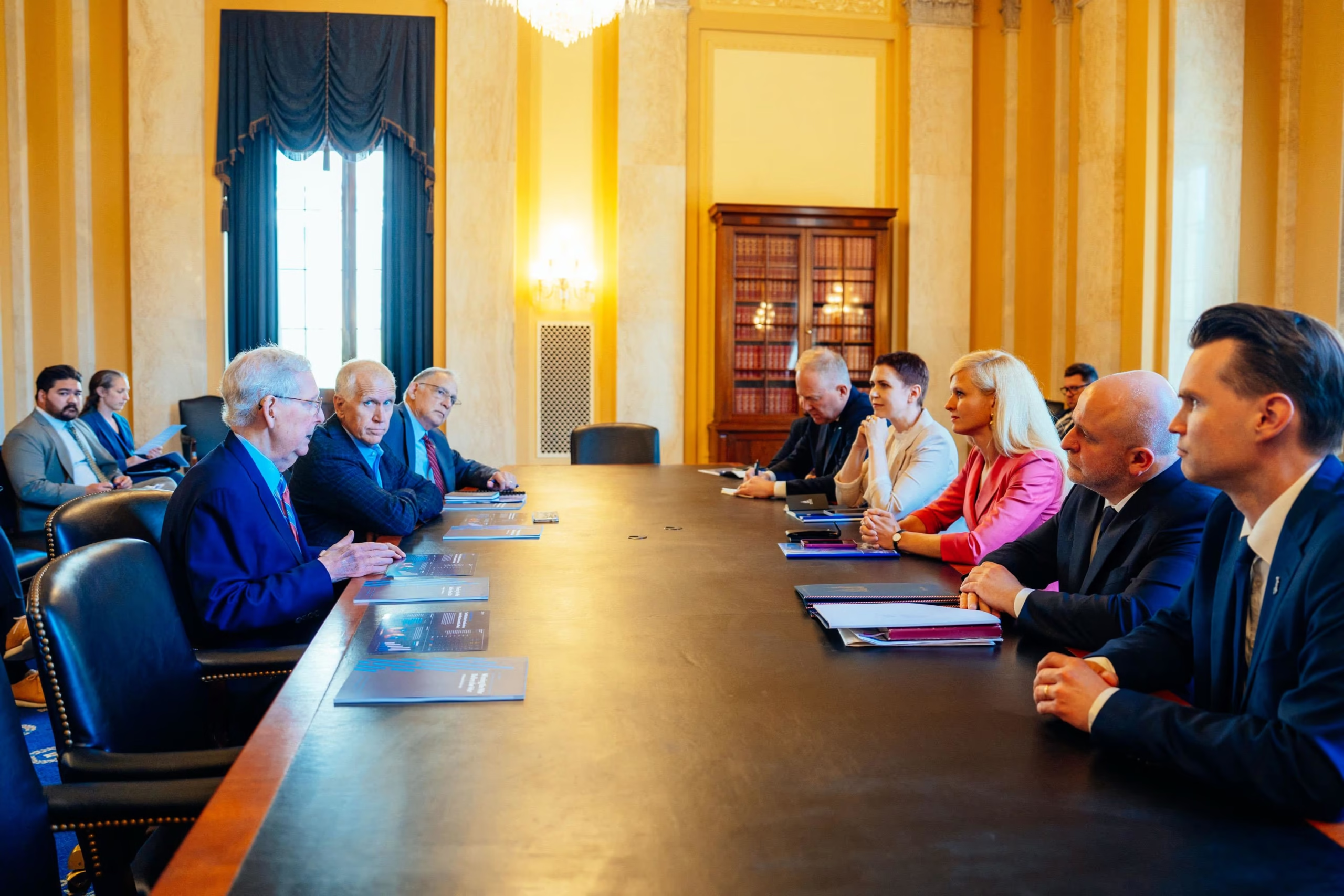
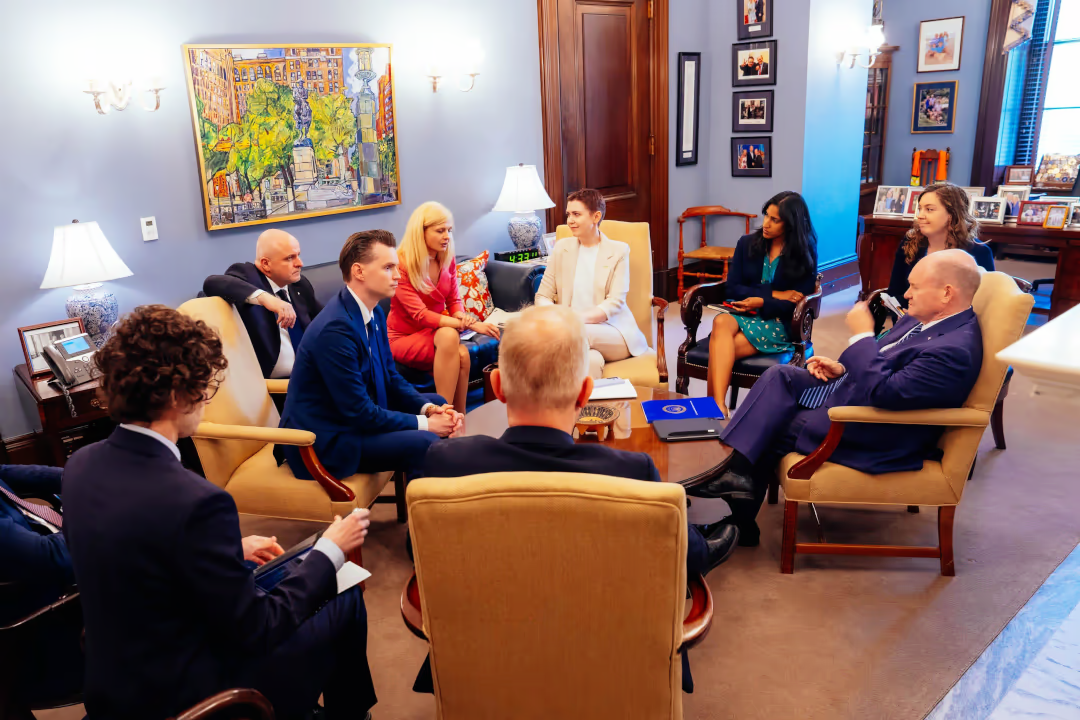
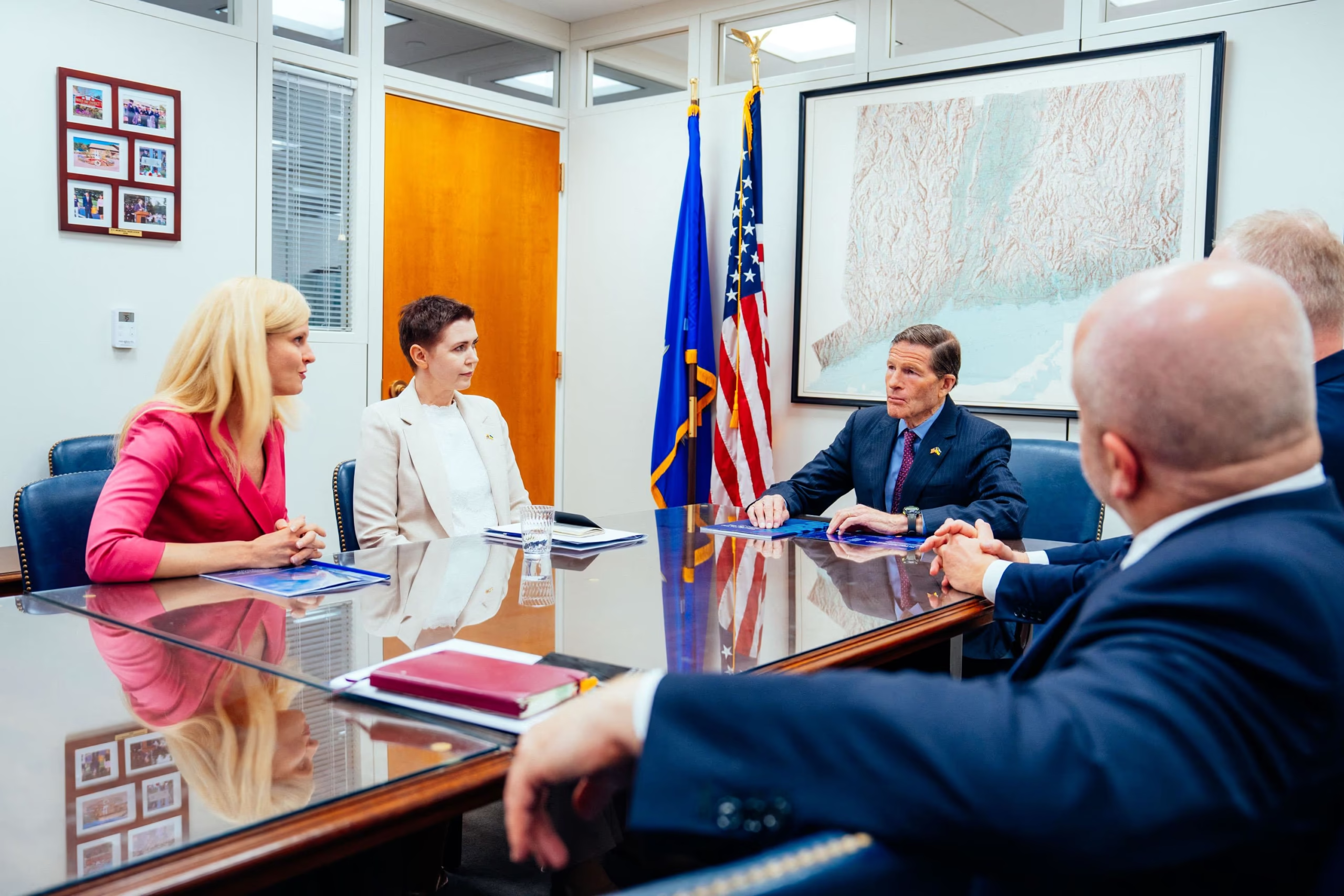
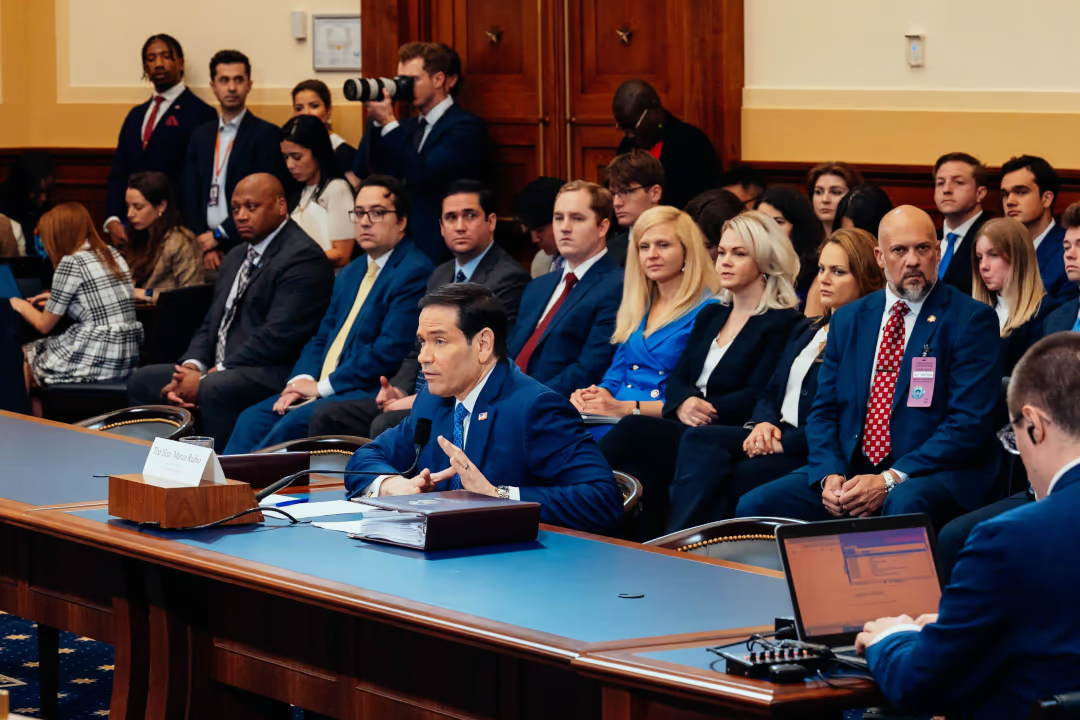
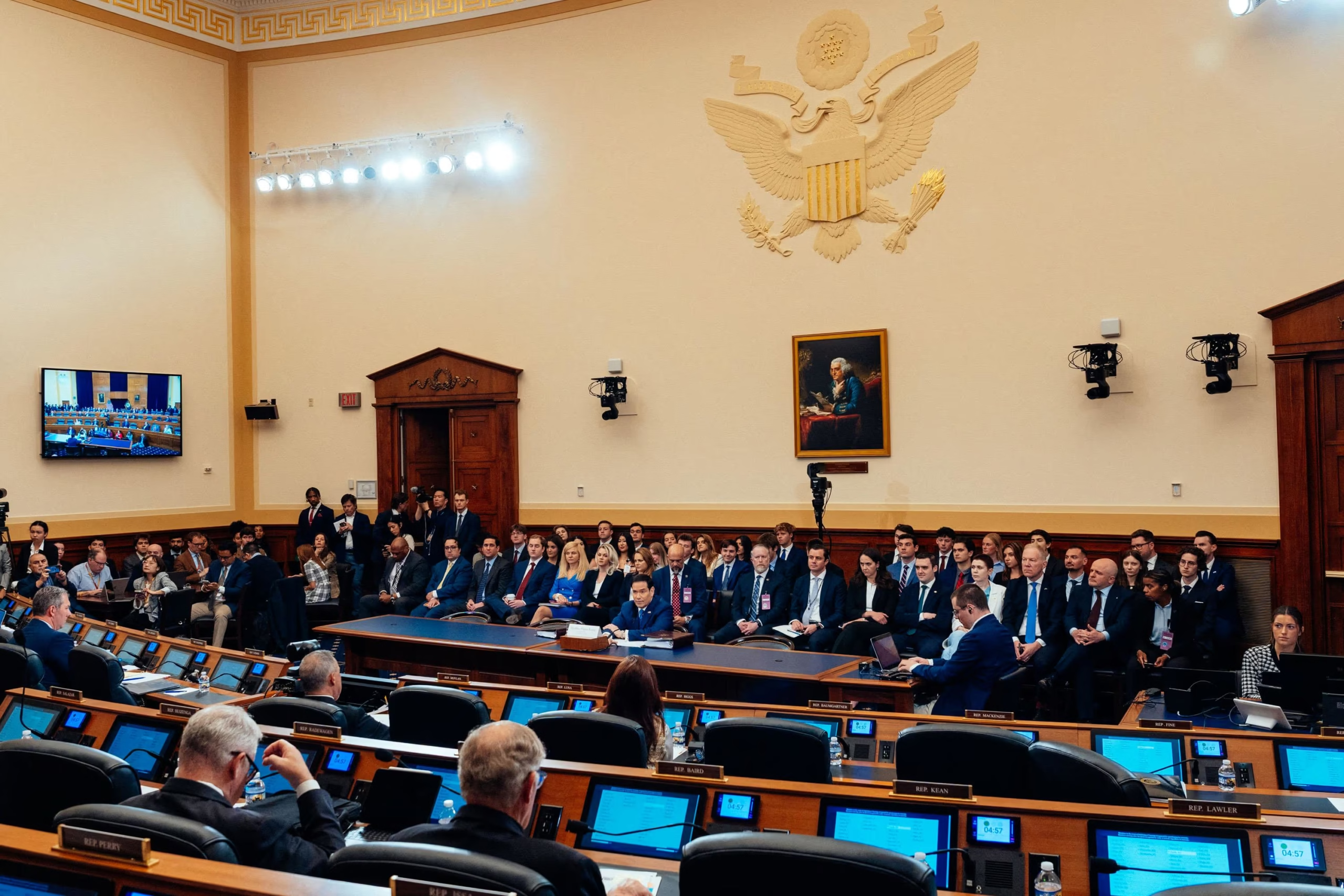
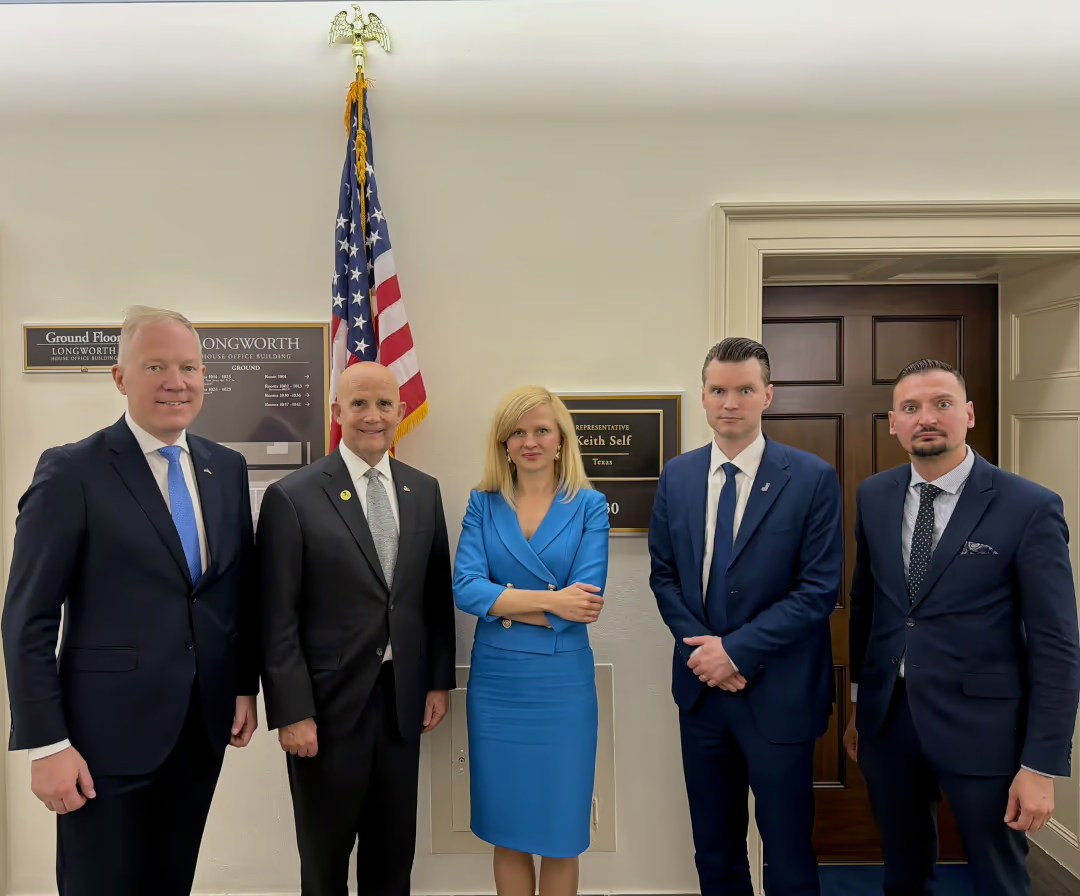
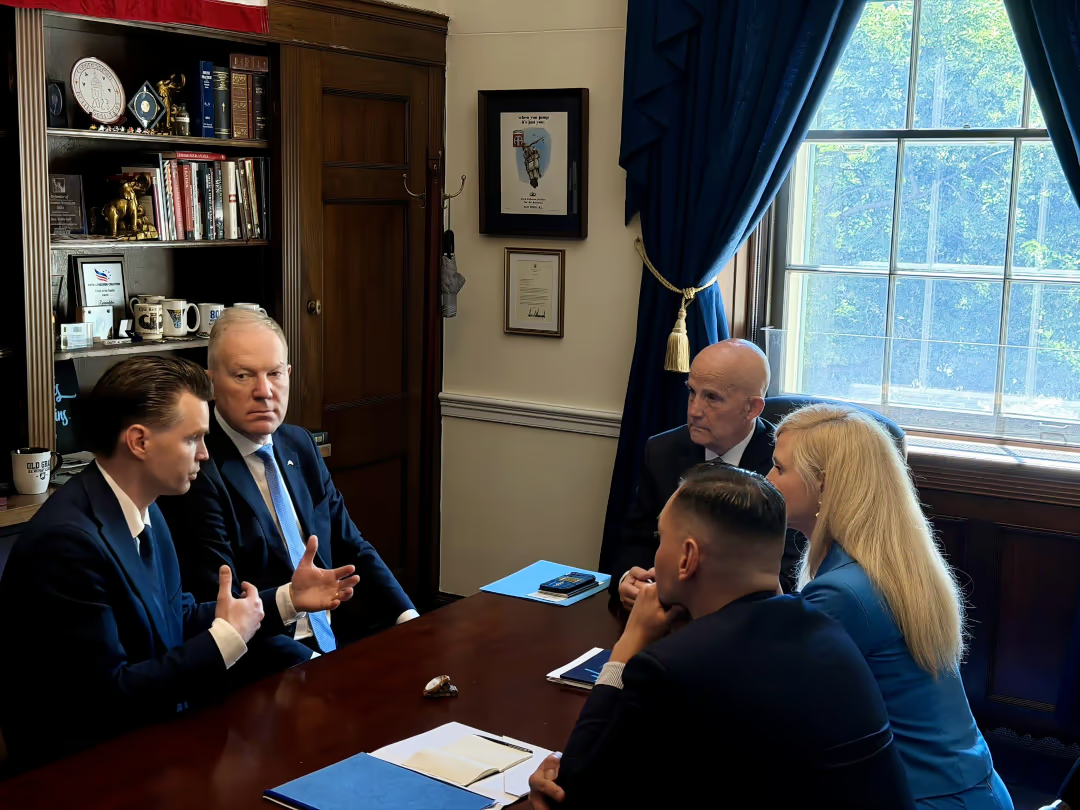
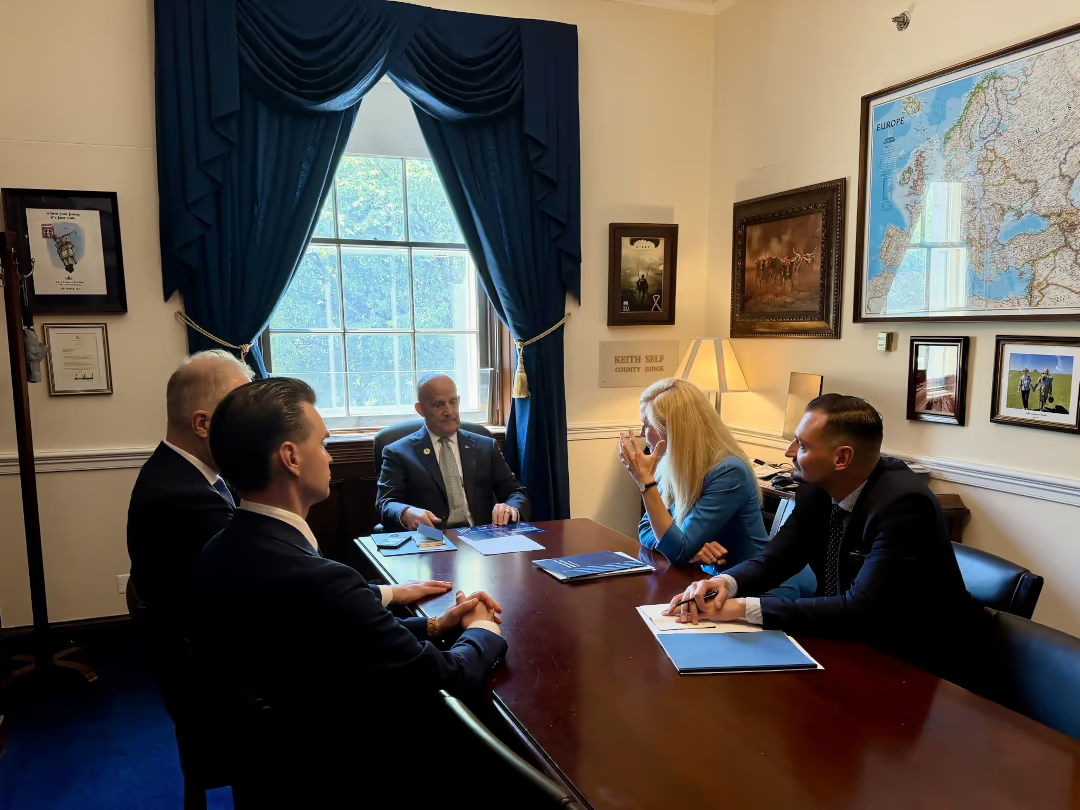
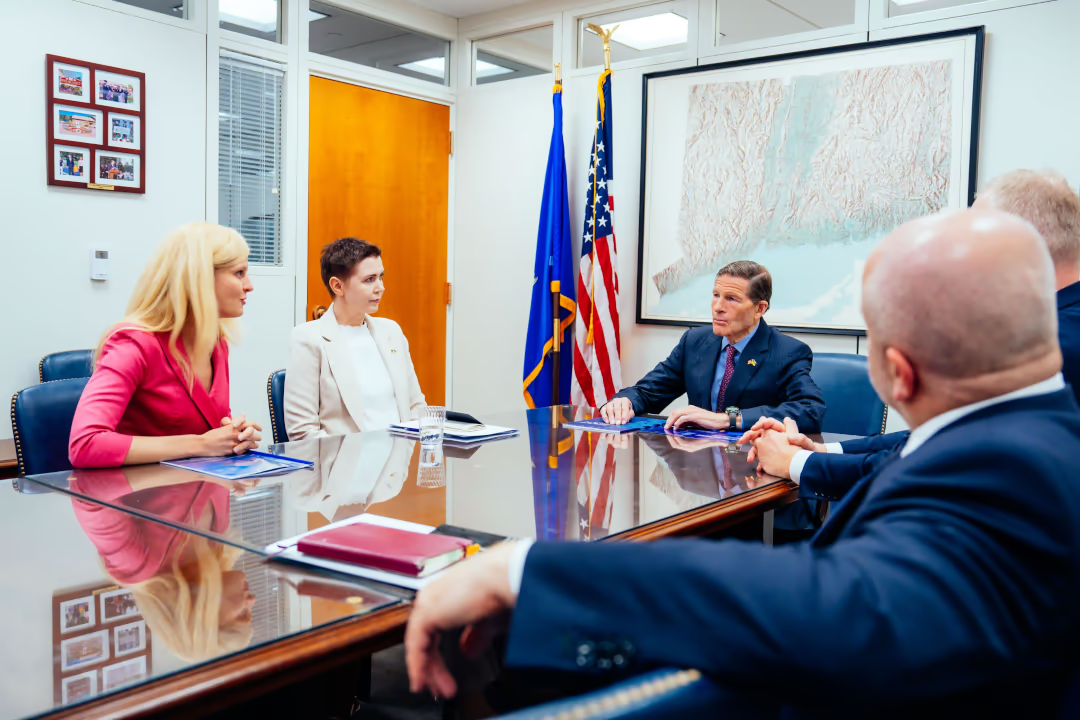
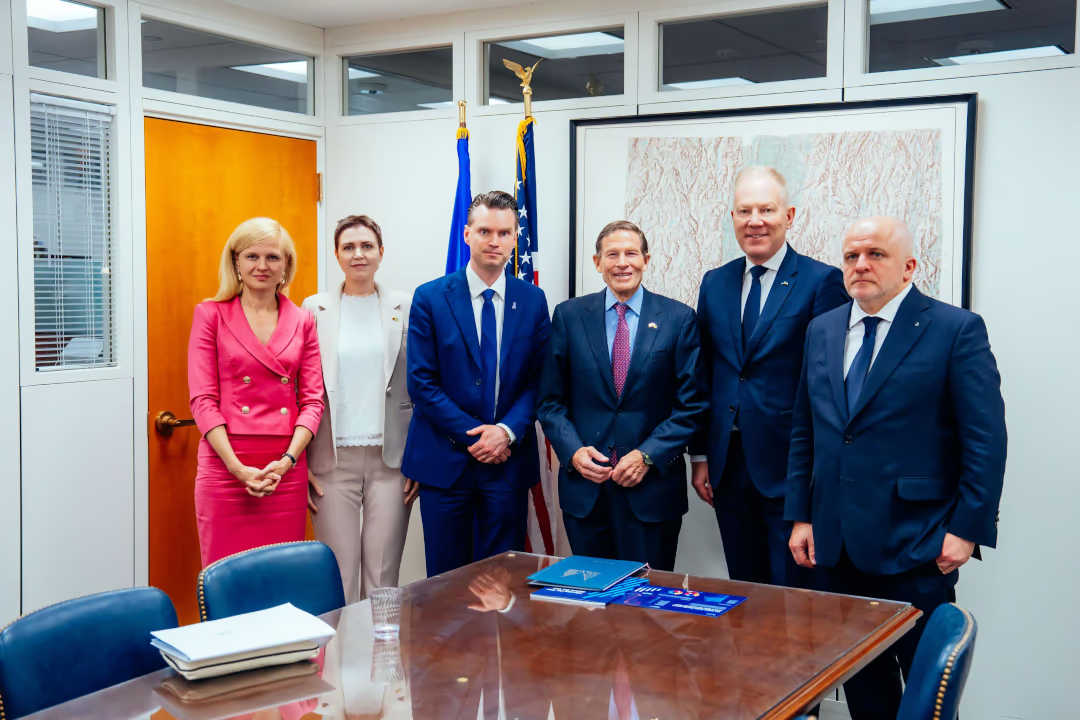
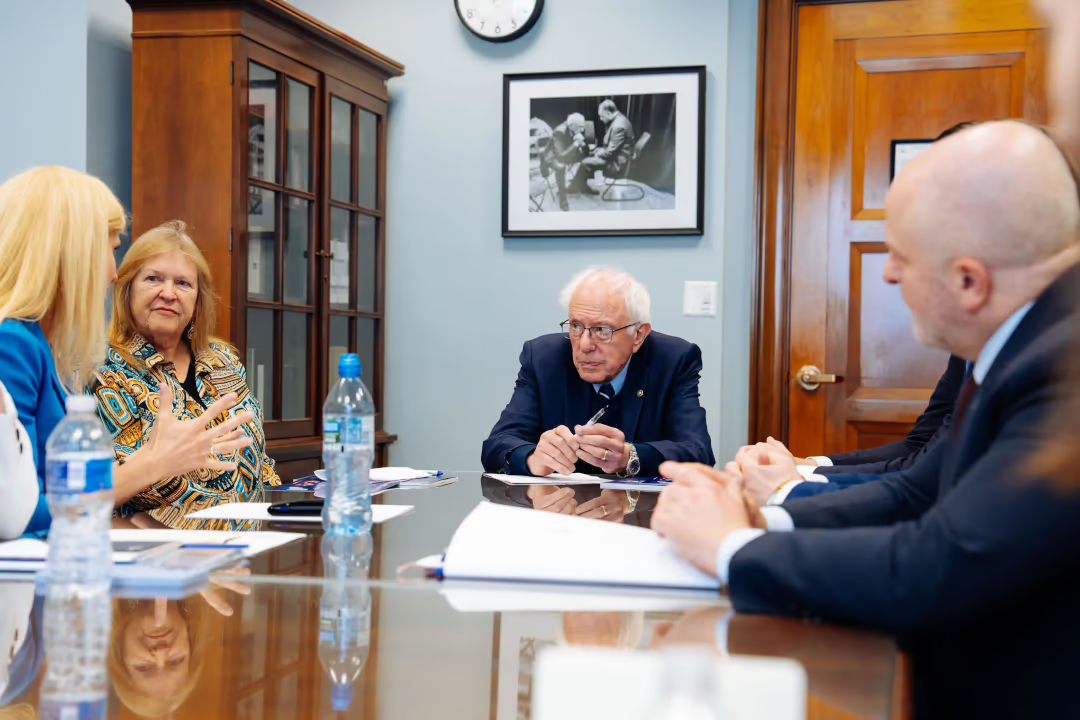
The third day was devoted to an intensive series of meetings on Capitol Hill, traversing both chambers and both sides of the aisle in a demonstration of the bipartisan foundation underpinning transatlantic security.
The delegation held high-level meetings with the following members of the U.S. Congress:
U.S. Senate:
- Sen. Richard Blumenthal (Senate Committee on Armed Services)
- Sen. John Boozman (Chairman, Senate Military Construction, Veterans Affairs, and Related Agencies Appropriations Subcommittee)
- Sen. Chris Coons (Ranking Member, Senate Appropriations Subcommittee on Defense; Senate Committee on Foreign Relations)
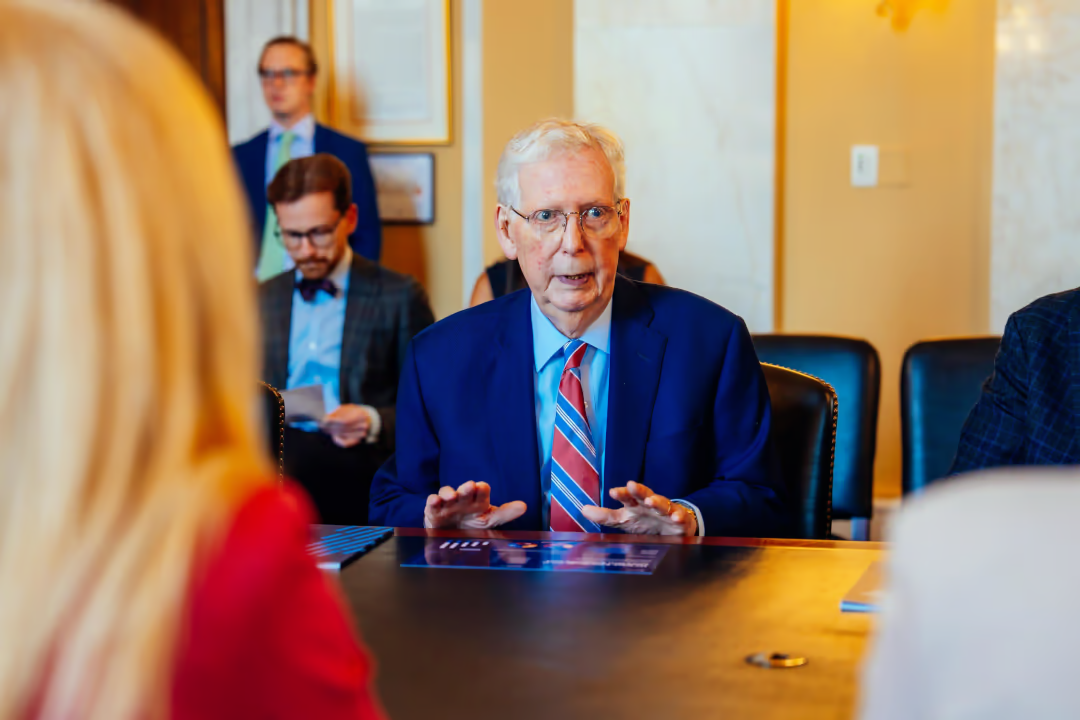
- Sen. Mitch McConnell (Chairman, Senate Rules/Appropriations Subcommittee on Defense)
- Sen. Chris Murphy (Ranking Member, Senate Europe and Regional Security Cooperation Subcommittee)
- Sen. James Risch (Chairman, Senate Committee on Foreign Relations)
- Sen. Chuck Schumer (Senate Minority Leader)
- Sen. Bernie Sanders (Senate Budget Committee)
- Sen. Thom Tillis (Senate Commission on Security and Cooperation in Europe)
- Sen. Roger Wicker (Chairman, Senate Committee on Armed Services)
U.S. House of Representatives:
- Rep. Jason Crow (House Permanent Select Committee on Intelligence; House Armed Services Committee)
- Rep. Keith Self (Chairman, House Foreign Affairs Subcommittee on Europe)
Throughout these congressional engagements, discussions focused on the inviolability of Article 5, the rapid growth of European defence spending, and the vital role of NATO in maintaining global order. The delegation and U.S. lawmakers addressed the legislative commitment to supporting Ukraine, the effectiveness of sanctions against Russia, and the scale of destruction on the ground. Key priorities also included the permanent presence of U.S. troops on NATO’s Northern and Eastern Flanks, the depth of American public support for Europe, and strategic alignment ahead of the Ankara Summit.
To shape the broader strategic conversation, the delegation also engaged with Washington’s policy community, holding briefings and roundtables at the America First Policy Institute, the Heritage Foundation, and the Atlantic Council. These discussions centered on regional threat assessments regarding Russia, transatlantic burden-sharing, deterrence architecture on NATO’s Eastern Flank, and shared priorities ahead of the upcoming Ankara Summit.
Key Takeaways from the Weimar Triangle Delegation
NATO Evolution
The Nordic-Baltic-Polish group is emerging as a cornerstone of NATO. U.S. expectations now focus not only on defense spending but on delivering combat-ready capabilities, requiring allies to take greater responsibility for regional defense.This is where the Nordic-Baltic-Polish group is and will deliver.
Ankara Summit and NATO 3.0
The Ankara Summit is seen as the right moment to advance „NATO 3.0″—a stronger, more balanced alliance. Key priorities include converting spending into readiness, strengthening defense industry cooperation, and improving transatlantic arms market efficiency.
U.S. Presence and the Eastern Flank
The reconfiguration of U.S. forces offers an opportunity to strengthen the Eastern Flank. A lasting U.S. presence remains important for credible deterrence, reflected in congressional efforts to assess options for long-term deployment.
Sustained Commitment to Ukraine
Ukraine has demonstrated resilience and innovation on the battlefield. While policy debates continue, bipartisan support in the U.S. Senate remains strong, reinforcing Ukraine’s role as a key partner in defending European security.
Addressing Global Strategic Challenges
Washington broadly agrees that growing Russia–China cooperation poses a major strategic challenge, underscoring the need for closer coordination among Western allies.