URC 2026 High-Level Dinner
WSF Closed-Door Dinner: Securing Peace in Ukraine - Guarantees, Recovery, and the Road Ahead
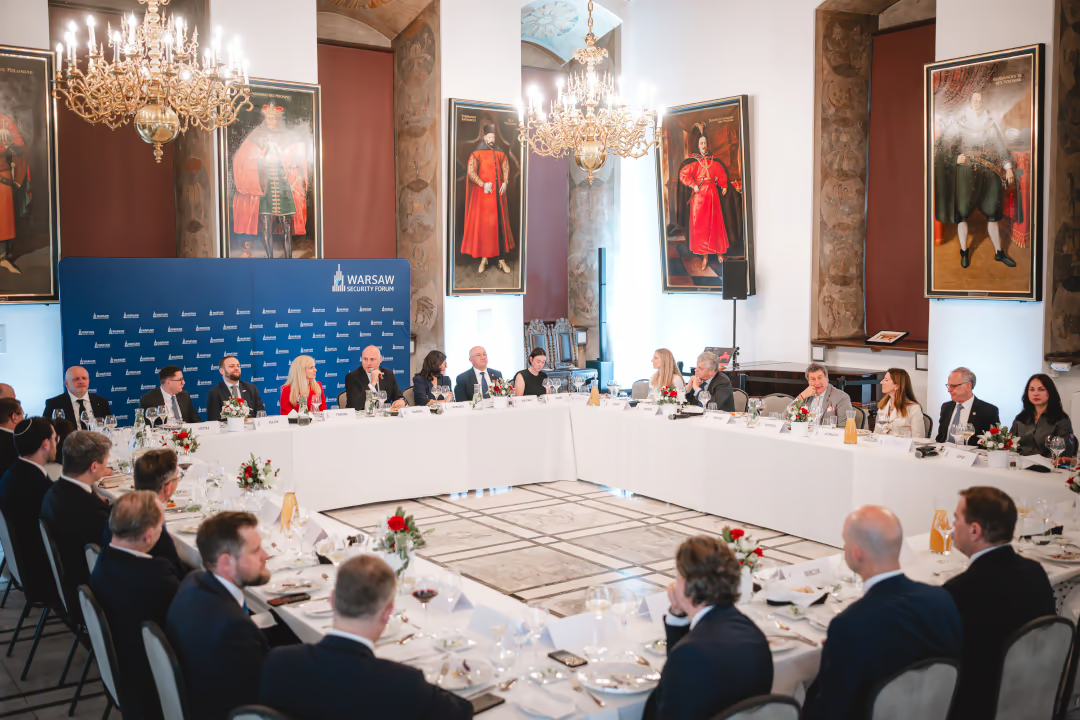
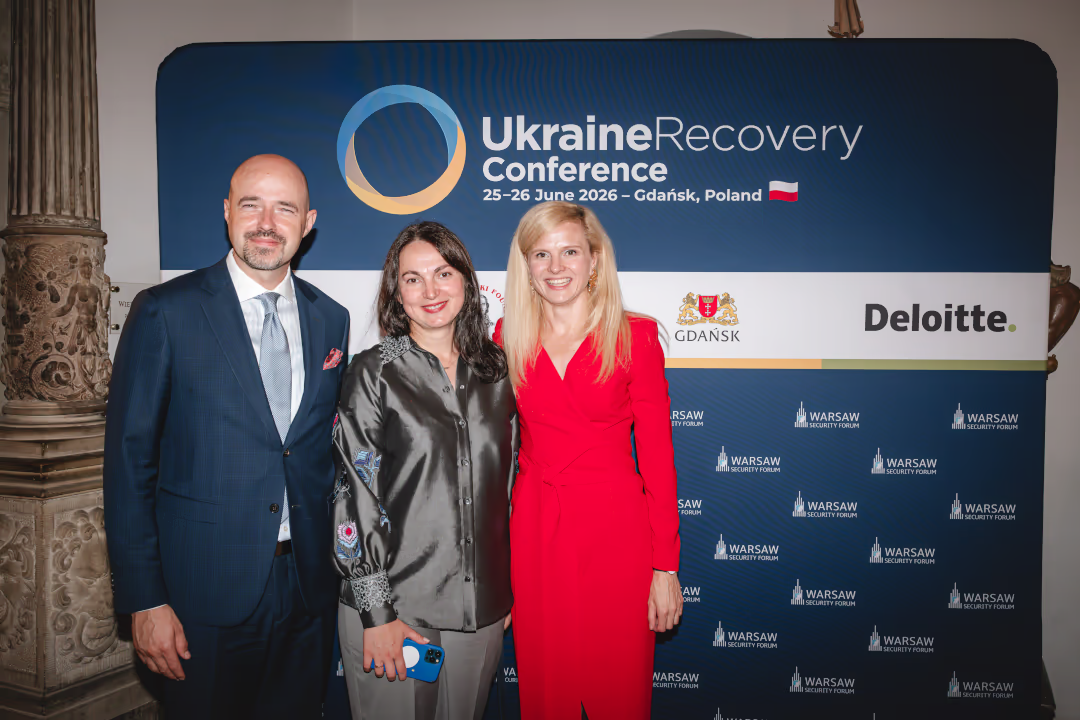
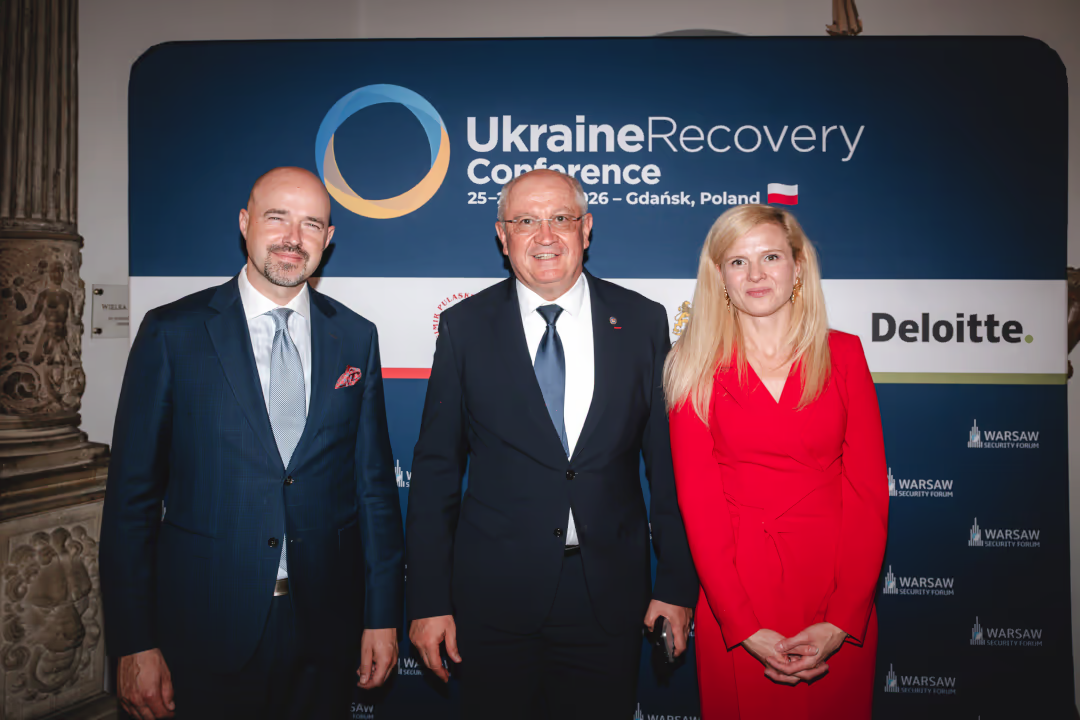
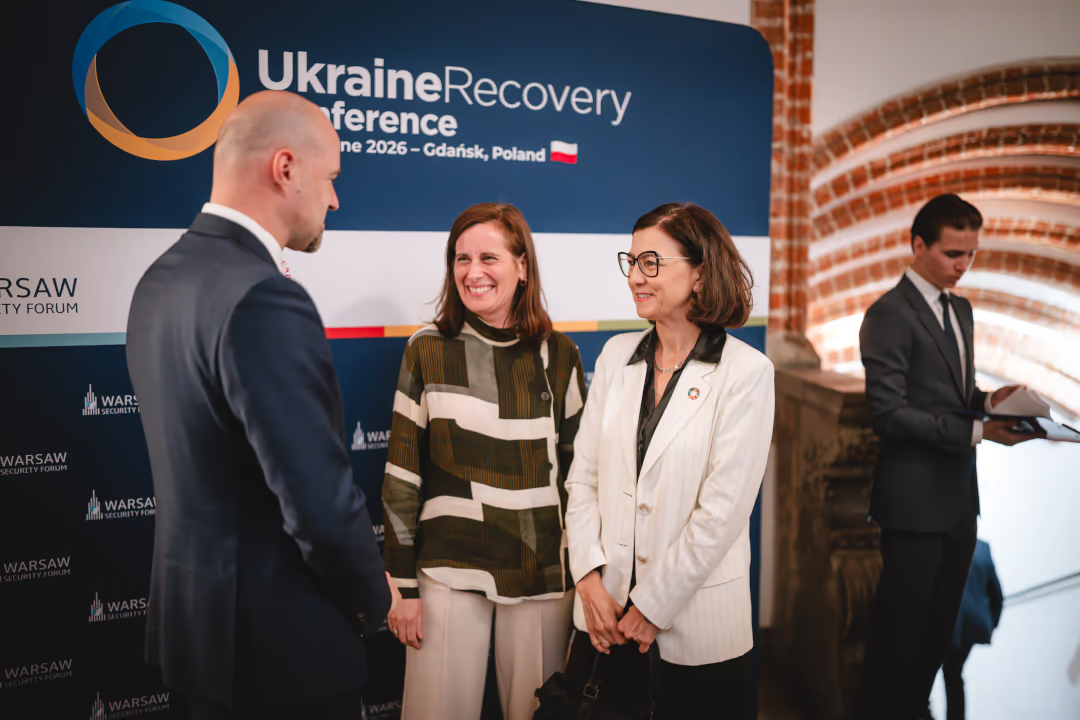
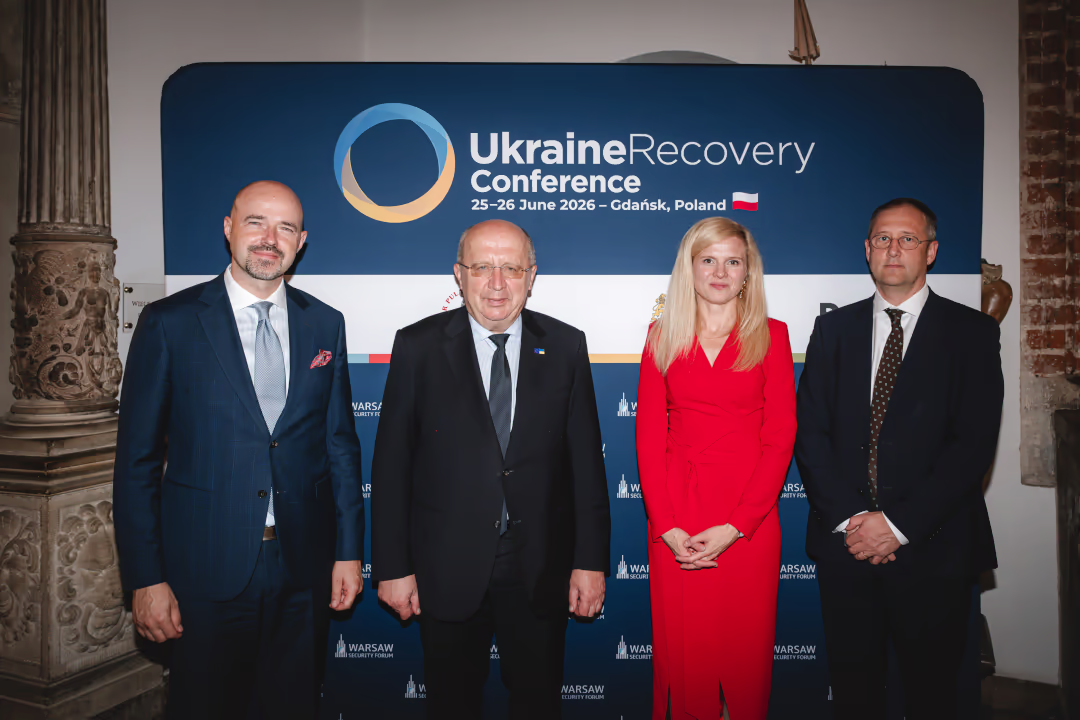
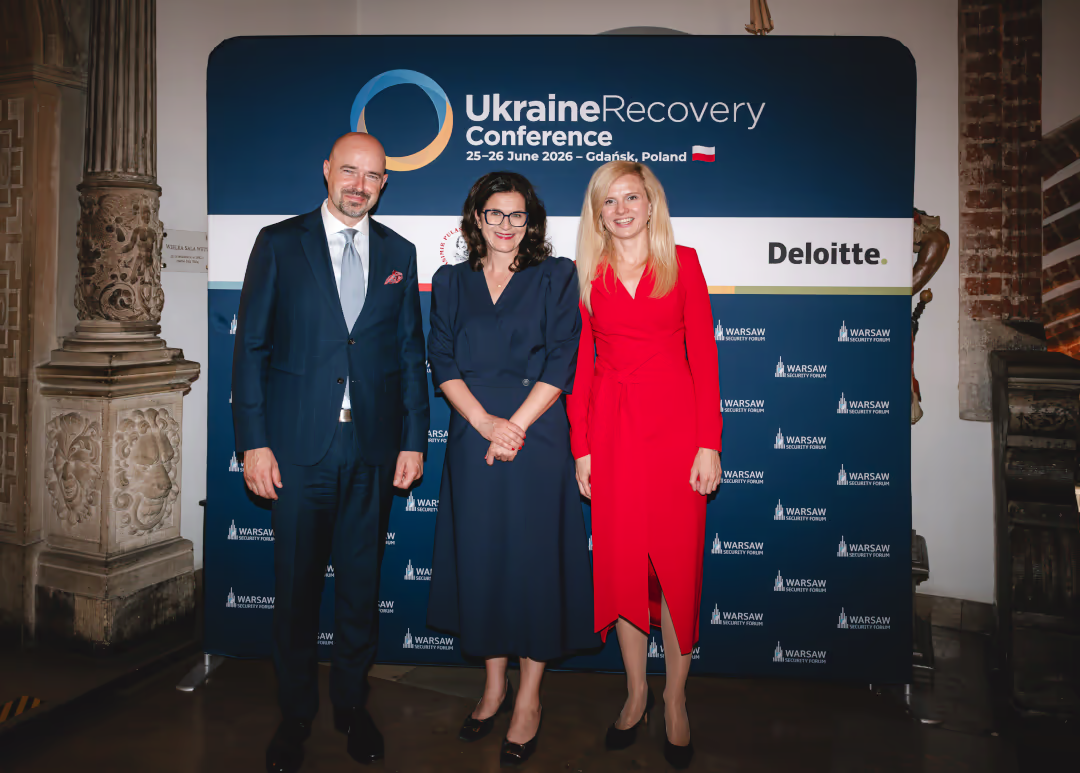
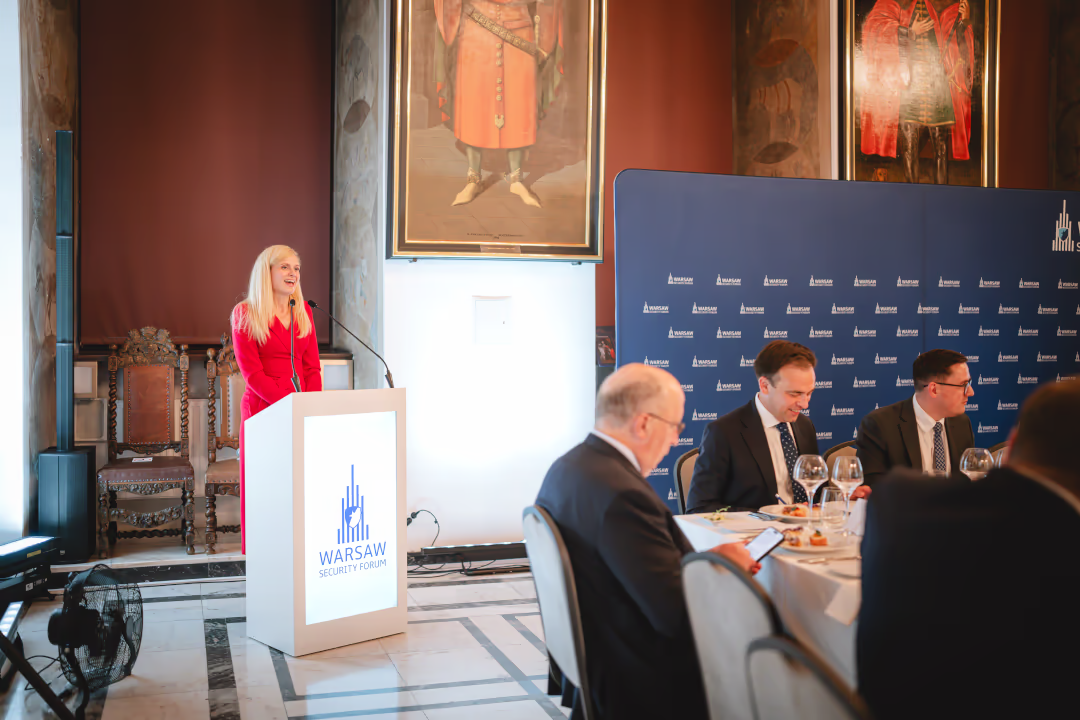
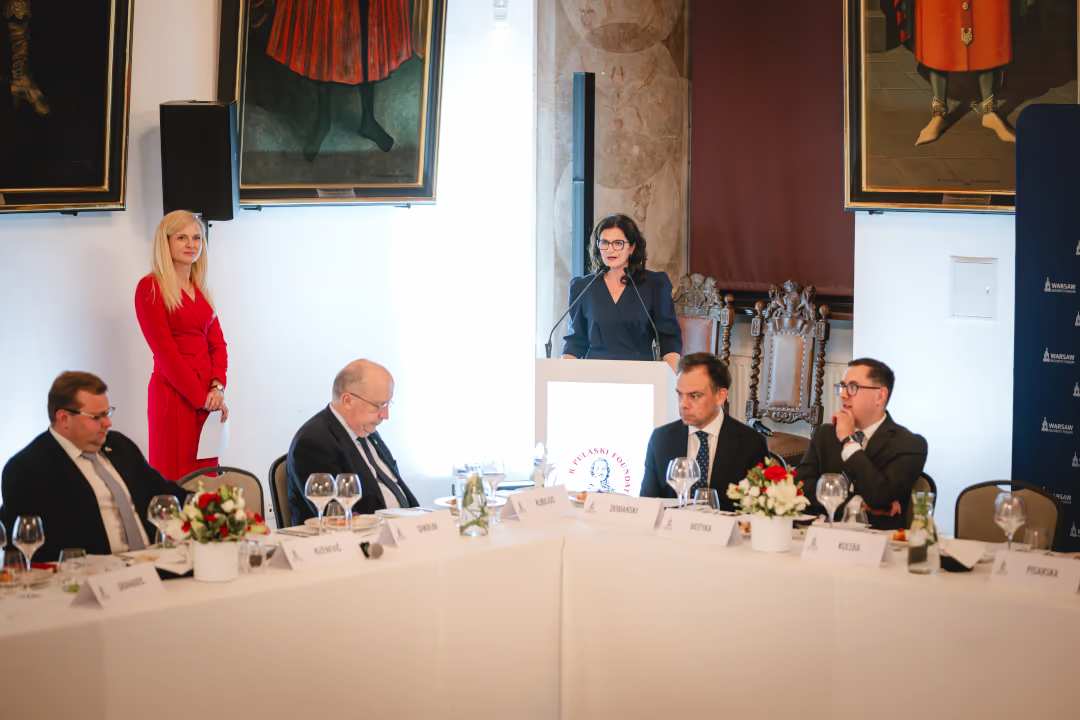
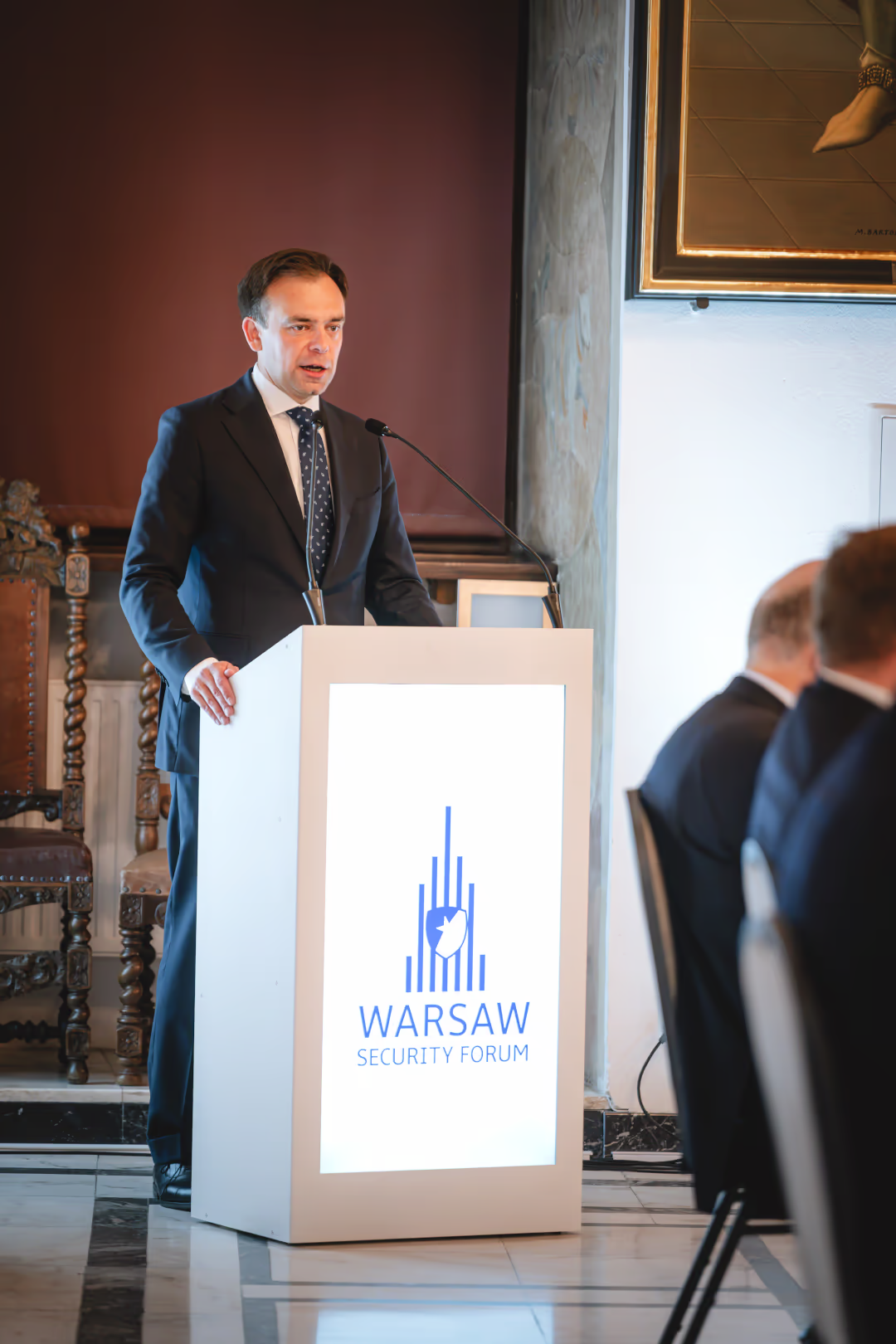
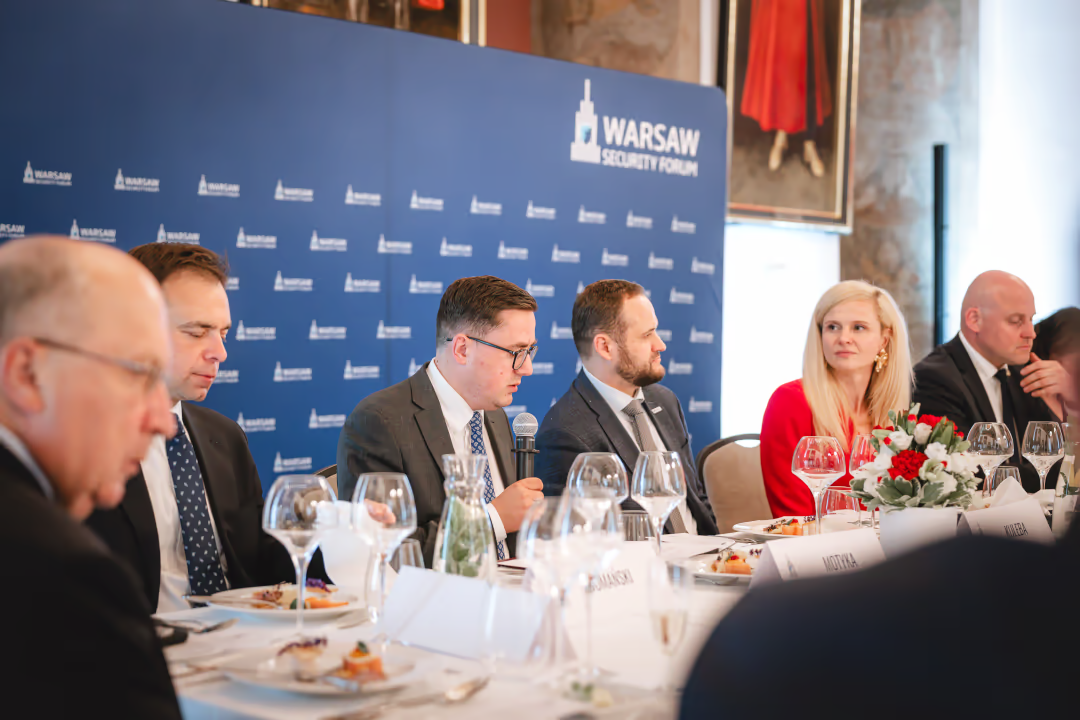
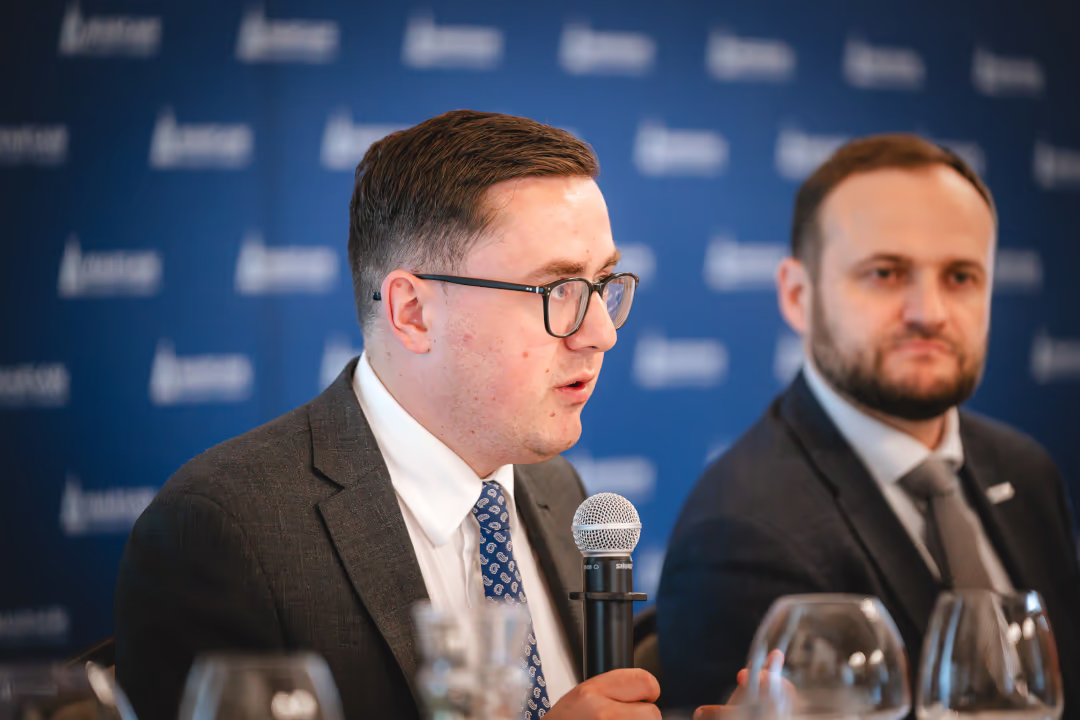
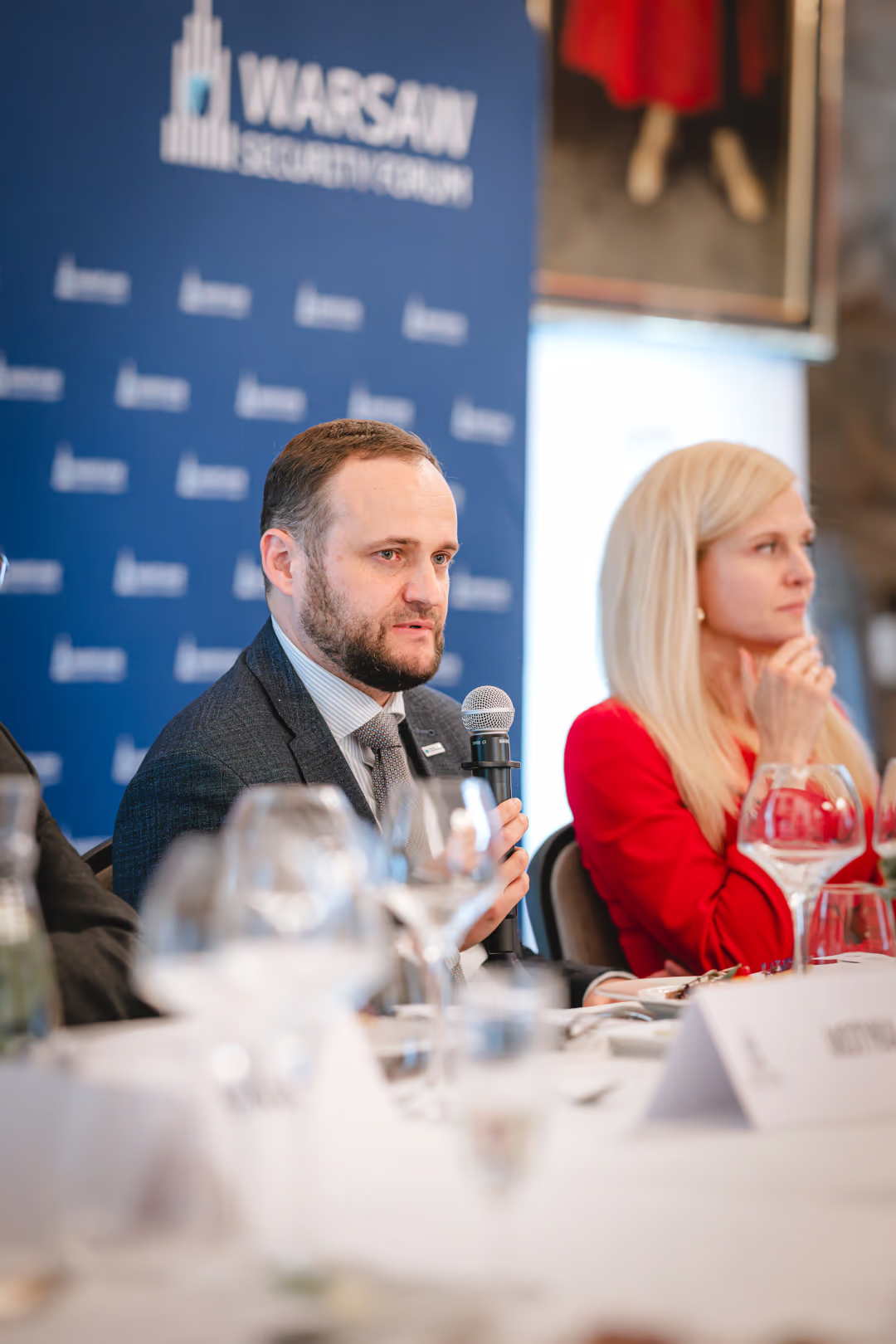
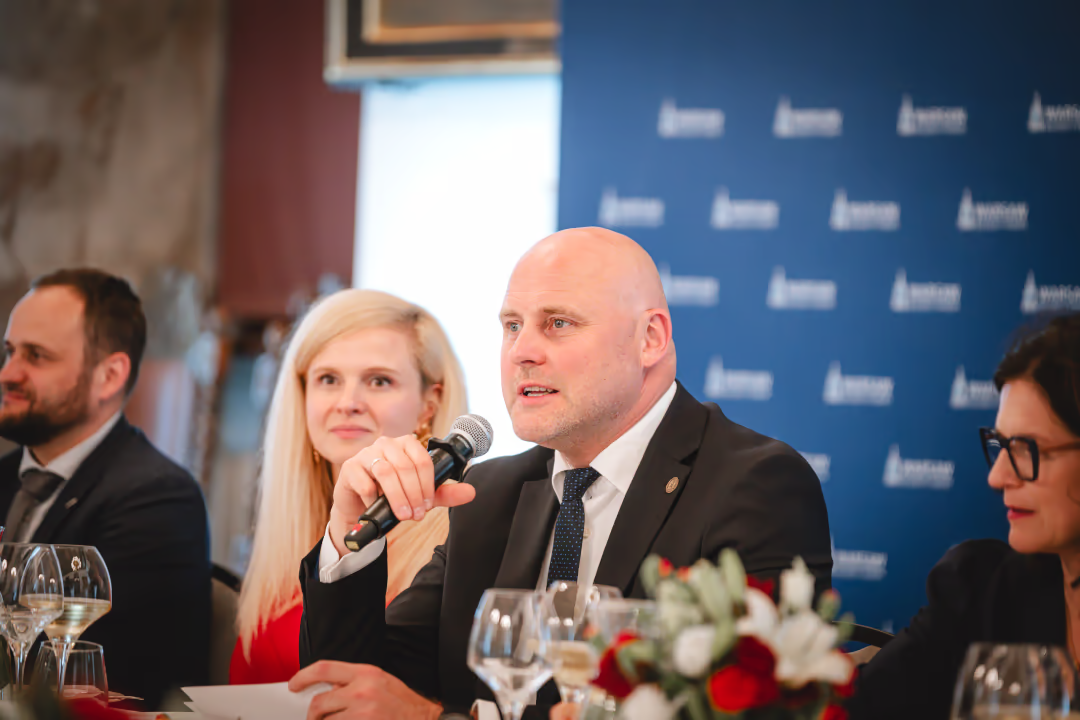
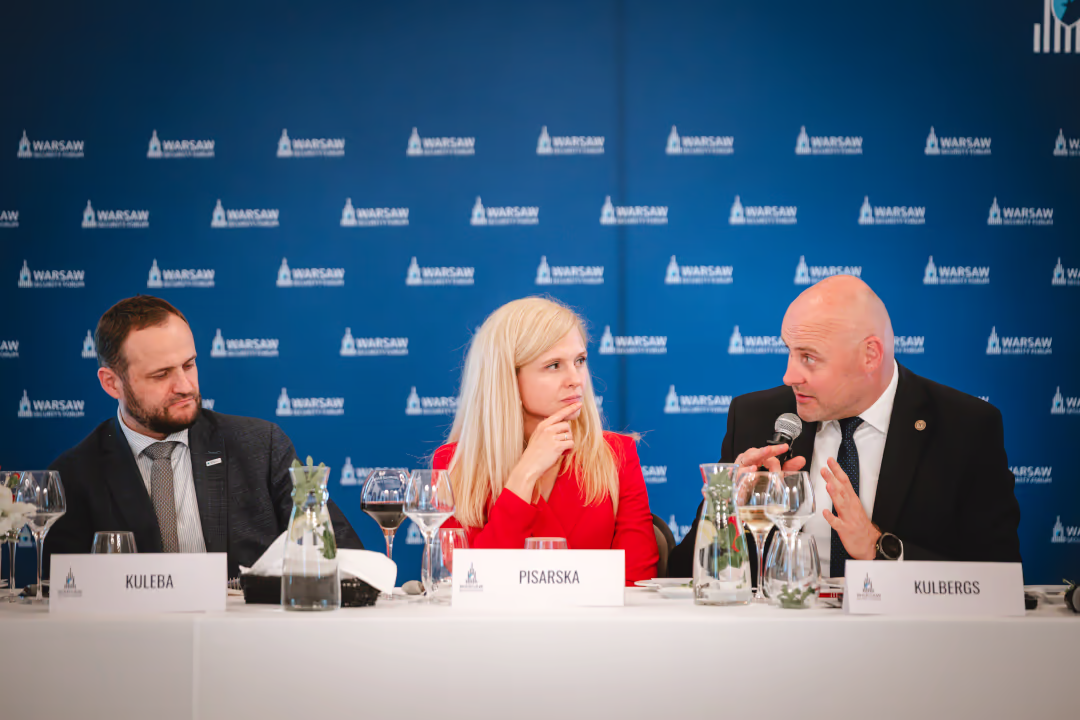
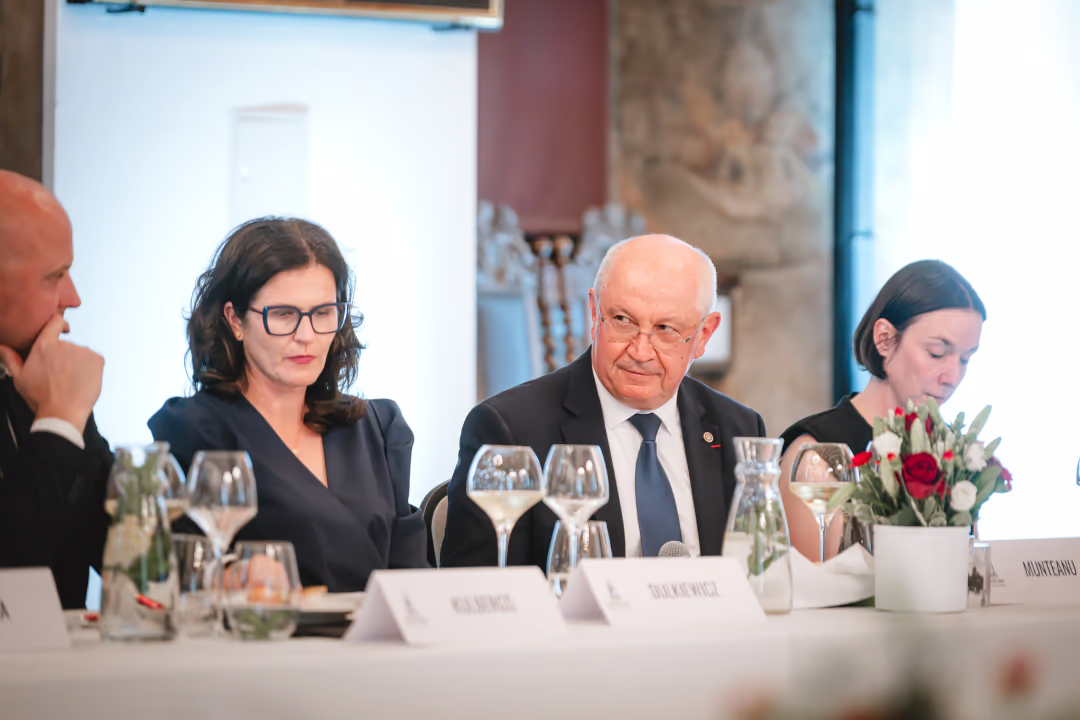
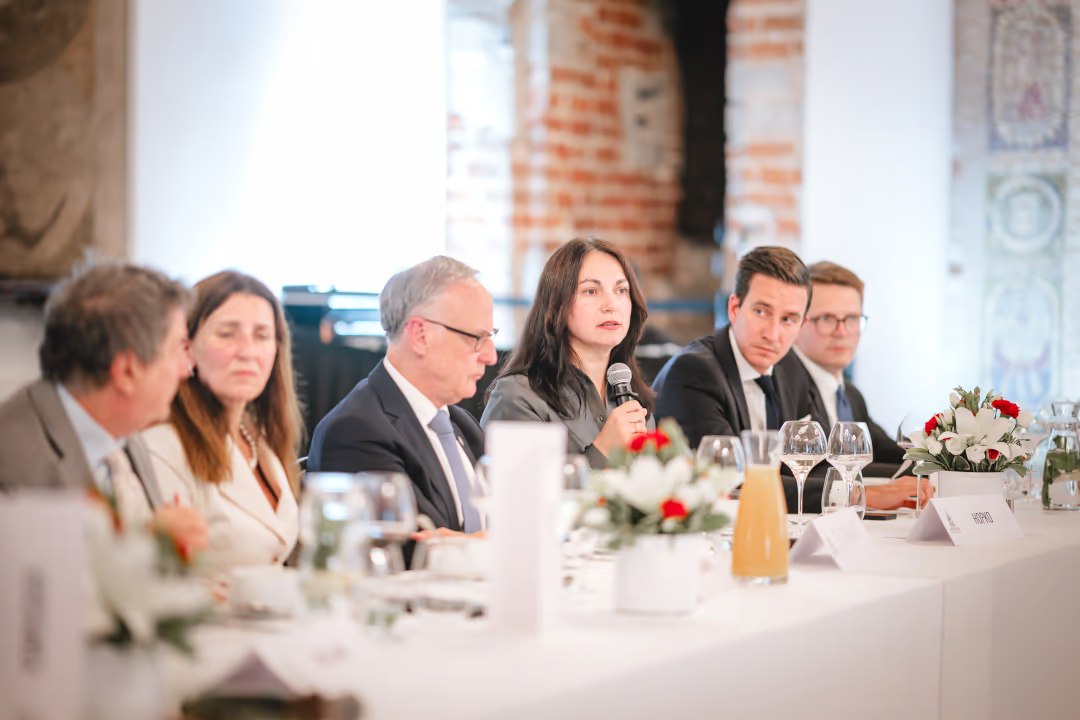
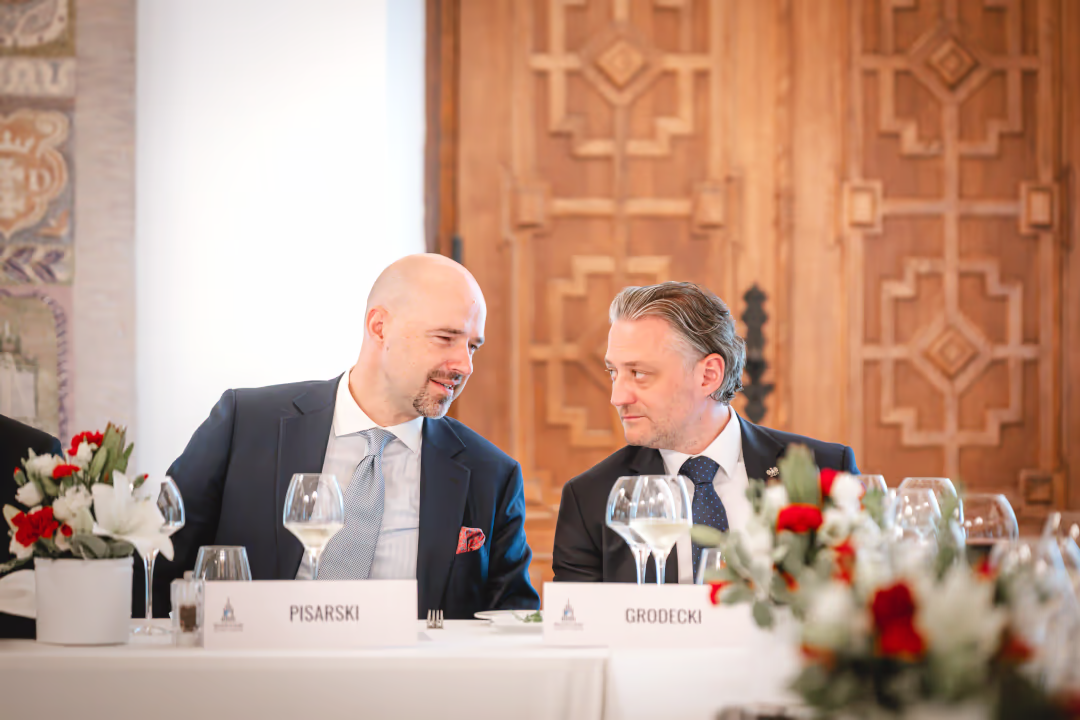
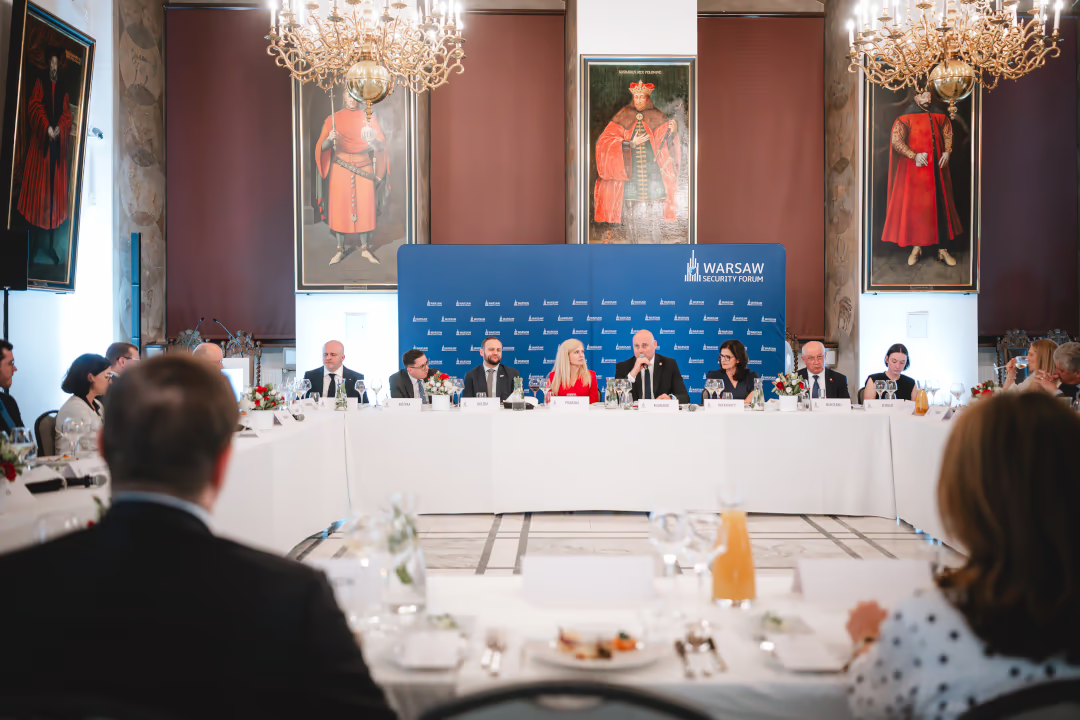
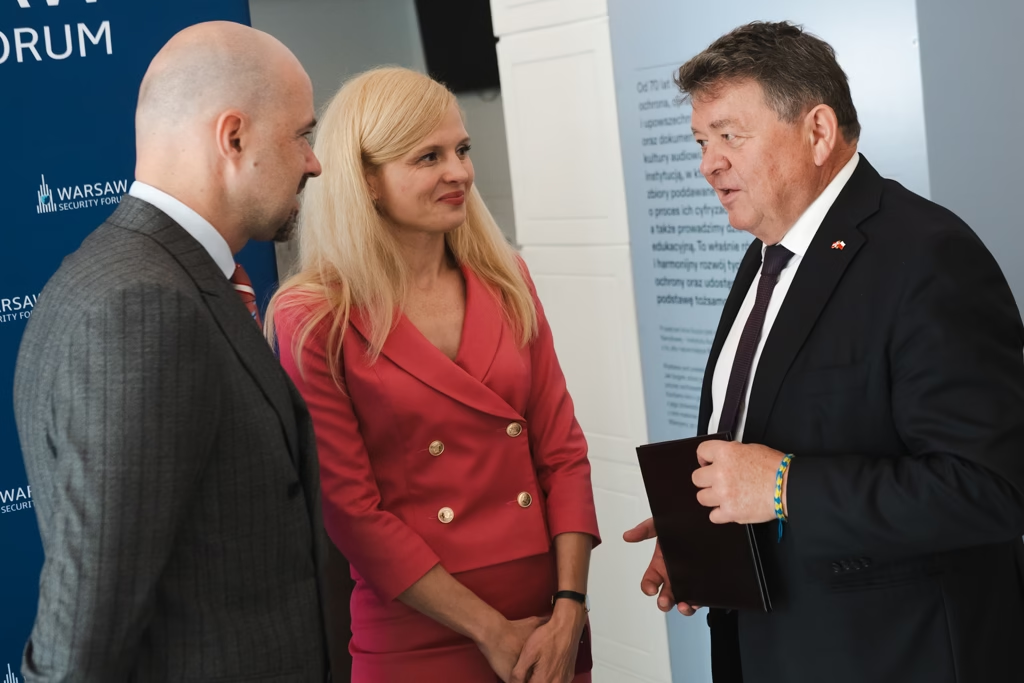
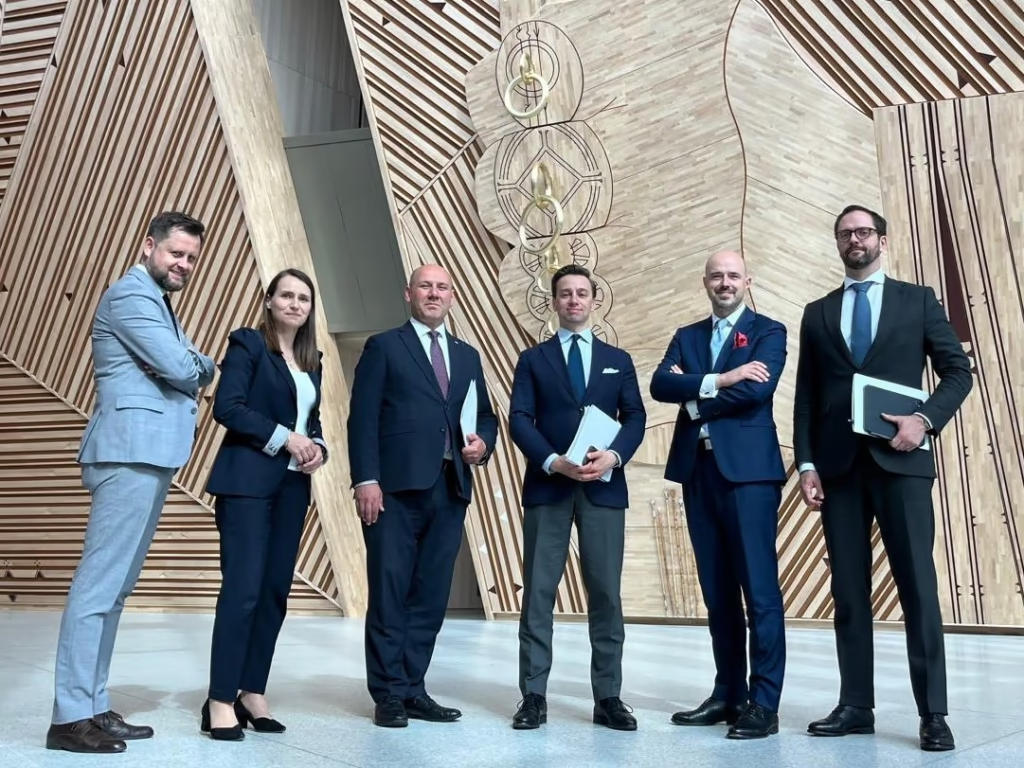
On the sidelines of the Ukraine Recovery Conference in Gdańsk, the Warsaw Security Forum and the City of Gdańsk co-hosted a high-level, closed-door working dinner entitled “Securing Peace in Ukraine: Guarantees, Recovery, and the Road Ahead.” This exclusive, off-the-record event brought together senior government officials, G7 and regional partners, multilateral financial leaders, and private sector executives. This Strategic Dialogue served as a vital platform to engage in a candid dialogue on synchronization mechanisms for Ukraine’s immediate defensive needs, financial stability, and long-term integration into the Euro-Atlantic architecture.
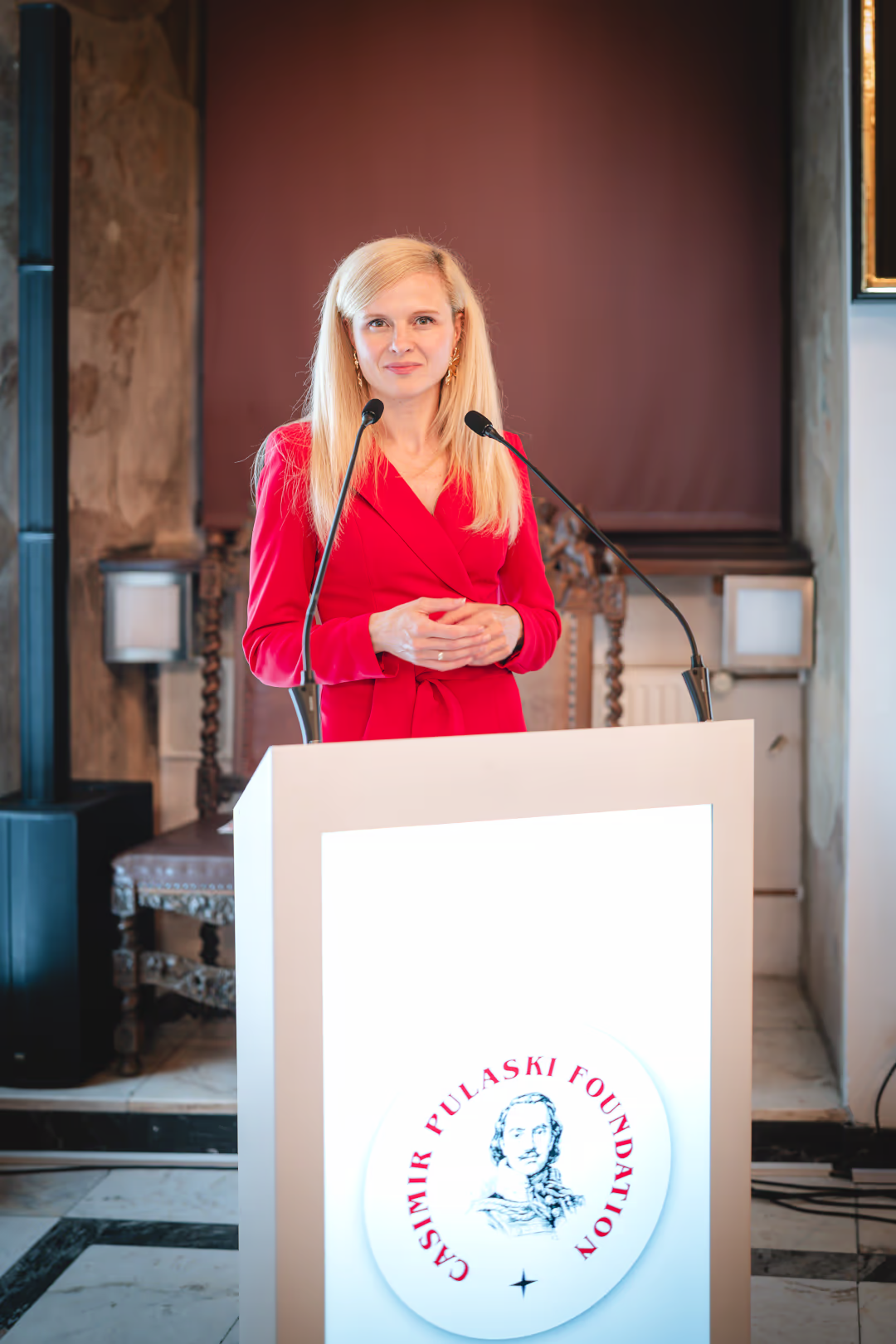
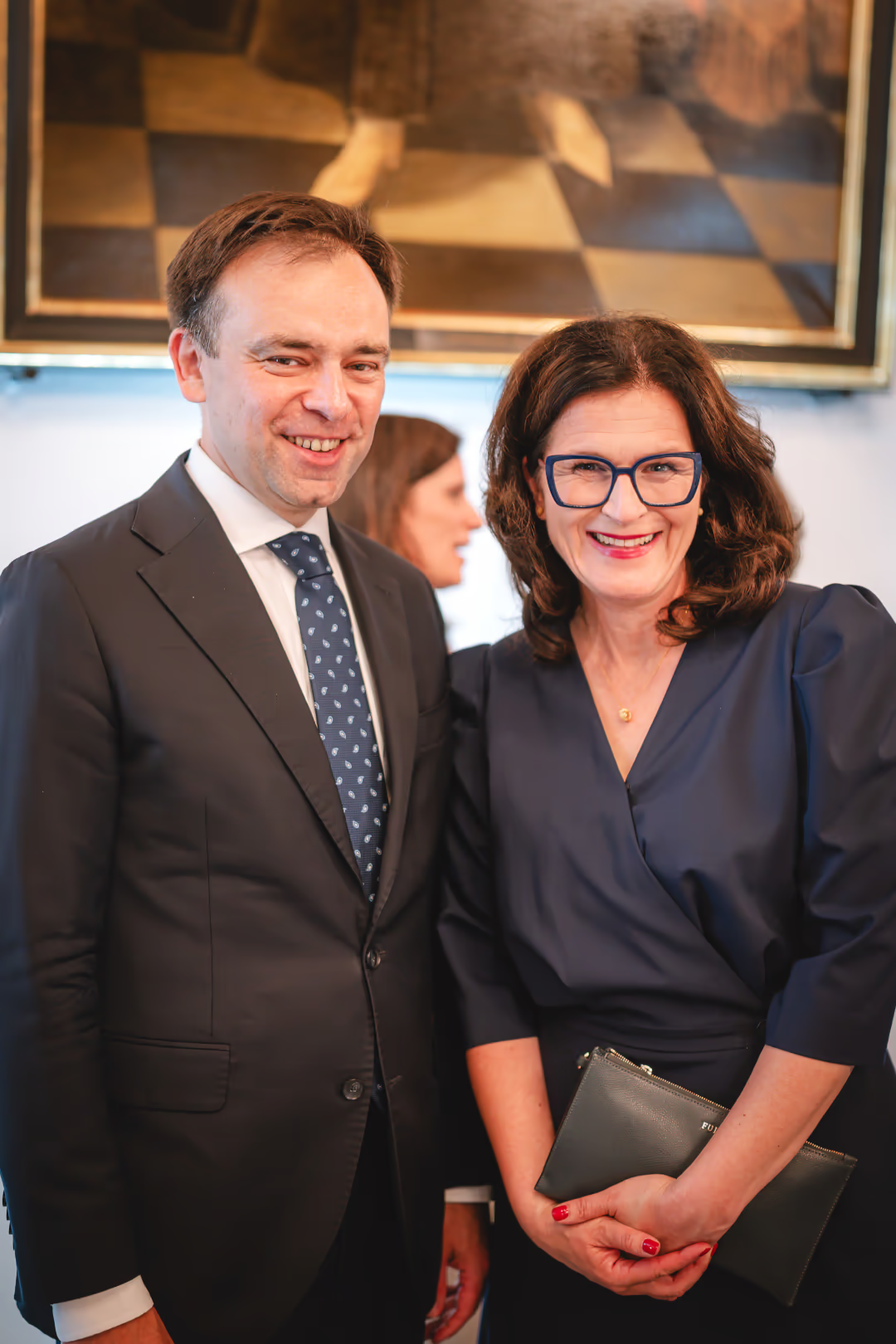
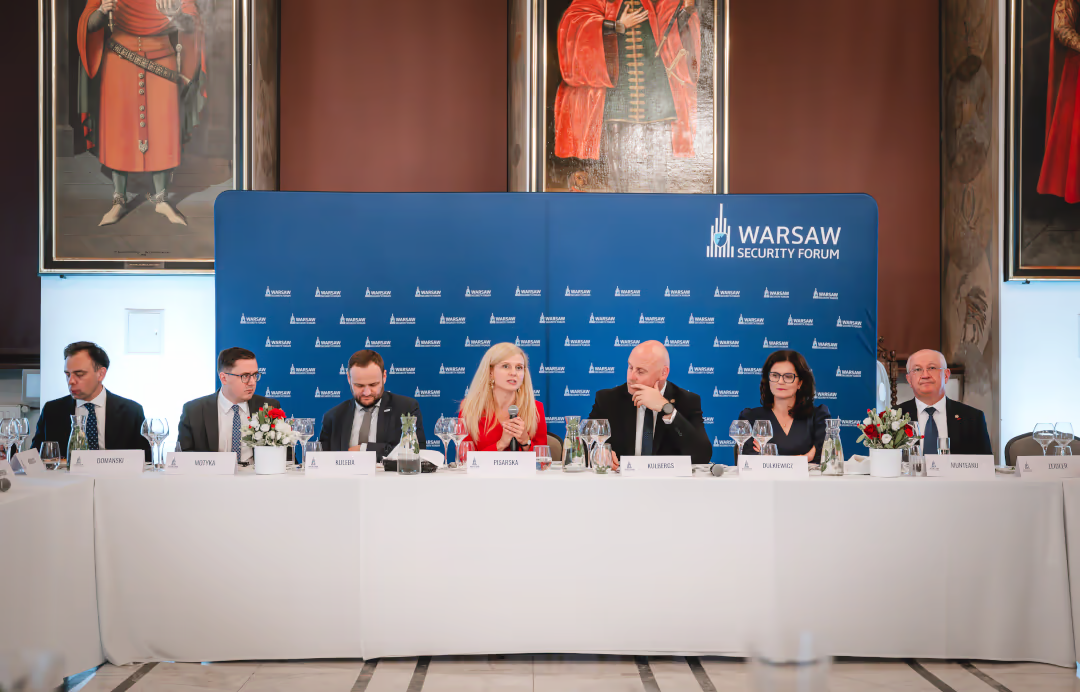
The evening was opened by Prof. Katarzyna Pisarska, Chair of the Warsaw Security Forum, Aleksandra Dulkiewicz, Mayor of Gdańsk, and Andrzej Domański, Minister of Finance of Poland. Scene-setting briefings were also delivered by Oleksii Kuleba, Deputy Prime Minister for Restoration of Ukraine, Miłosz Motyka, Secretary of State at the Ministry of Climate and Environment of Poland, Andris Kulbergs, Prime Minister of Latvia, and Alexandru Munteanu, Prime Minister of Moldova.
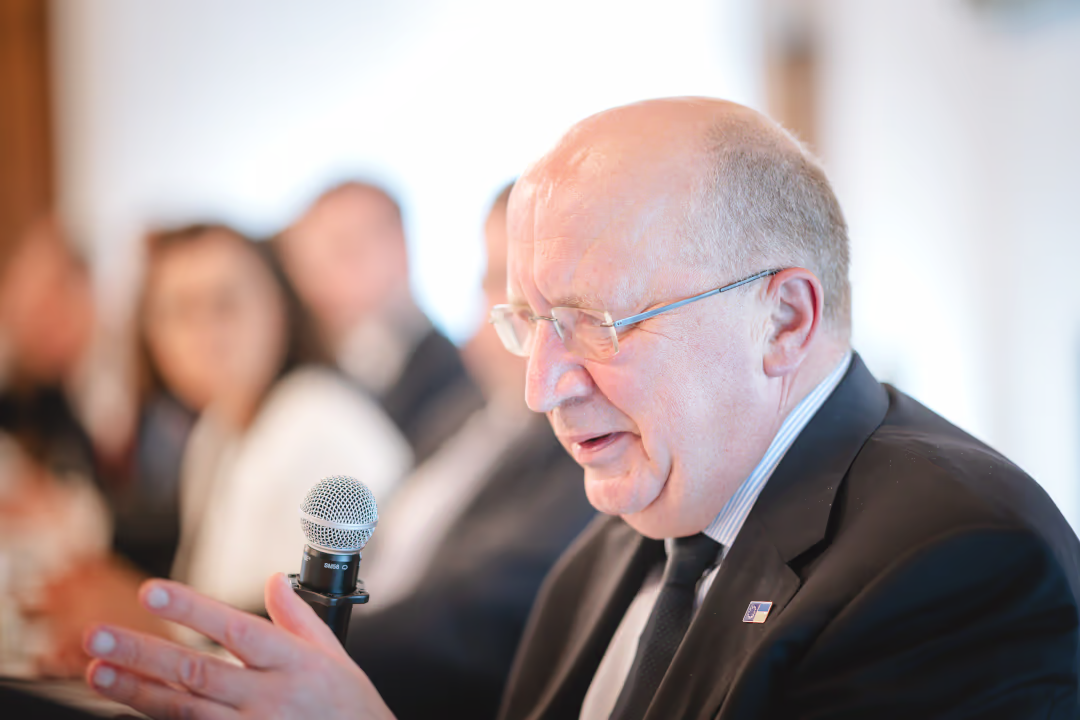
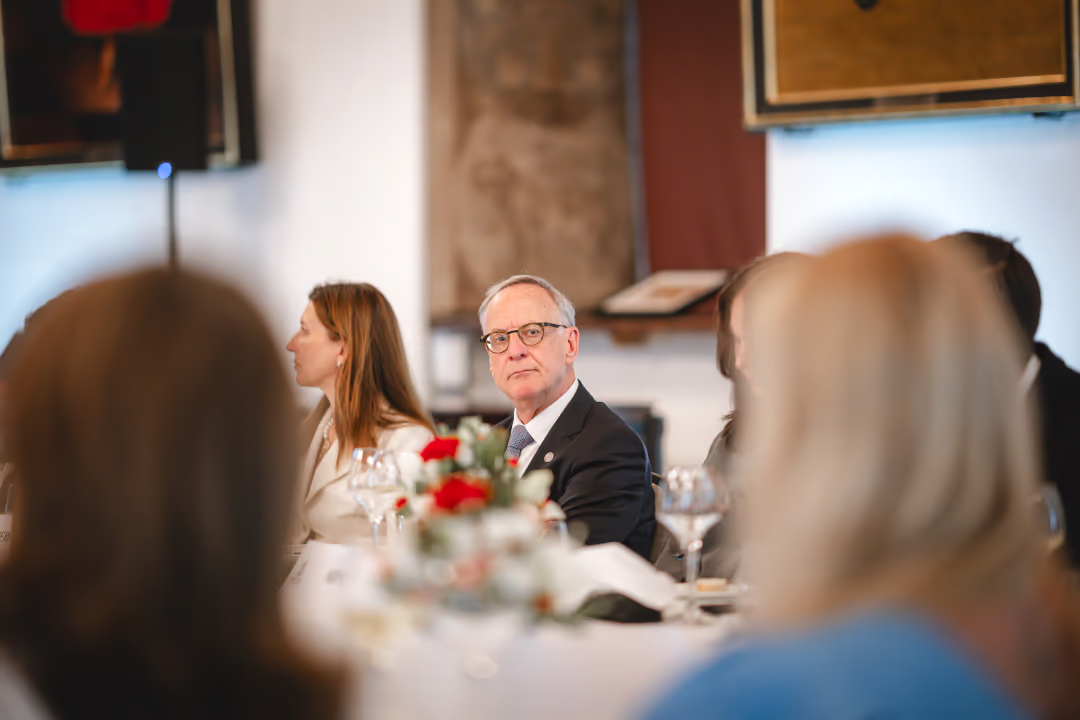
The dinner concluded with an interactive and wide-ranging discussion among the broader group of transatlantic stakeholders. The debate provided a crucial space for representatives from both the public and private sectors to share distinct strategic perspectives, spanning from NATO’s Eastern Flank to the Black Sea region. The exchange of views centered on the understanding that achieving a sustainable, long-term peace in Ukraine requires a close, synchronized alignment between military deterrence, financial innovation, and robust private sector mobilization. The Warsaw Security Forum remains dedicated to fostering these essential, high-level dialogues to ensure a secure, free, and integrated Europe.
Key Takeaways
Security as a Prerequisite for Reconstruction
Physical and economic reconstruction cannot yield lasting results without ironclad, legally binding security guarantees. Leaving Ukraine in a geopolitical „grey zone” would only jeopardize international investments and invite future aggression.
Protection of Critical Infrastructure
True recovery requires immediate and effective protective measures. Allies must prioritize the tactical hardening of Ukraine’s energy grid and critical civilian infrastructure against ongoing aerial threats, while maintaining seamless defense synchronization along NATO’s Eastern Flank.
The Road to NATO Membership
A stable, predictable, and investable postwar environment is inherently tied to Ukraine’s future security architecture. The definitive solution for long-term regional stability remains an accelerated and concrete trajectory toward full NATO membership.
Funding Through Russian Assets
The financial and physical rebuilding of Ukraine should be viewed as a core geopolitical deterrence mechanism and a vital investment in collective security. To achieve this without overburdening Western taxpayers, the international community must pivot toward innovative legal solutions, chiefly utilizing immobilized Russian sovereign assets.
Private Sector and Human Capital
To transition from institutional planning to concrete execution, the private sector must be actively engaged through transparent regulatory environments and international compliance standards. Concurrently, funding vital social infrastructure like housing and healthcare is crucial to maintaining internal stability and accelerating Ukraine’s integration into the EU single market.