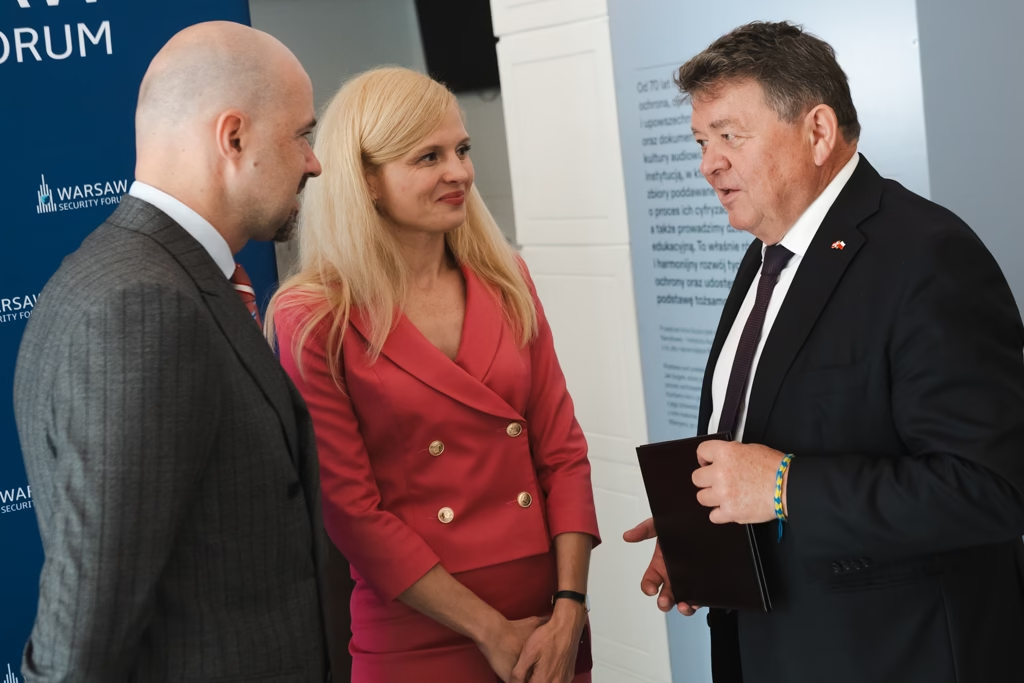
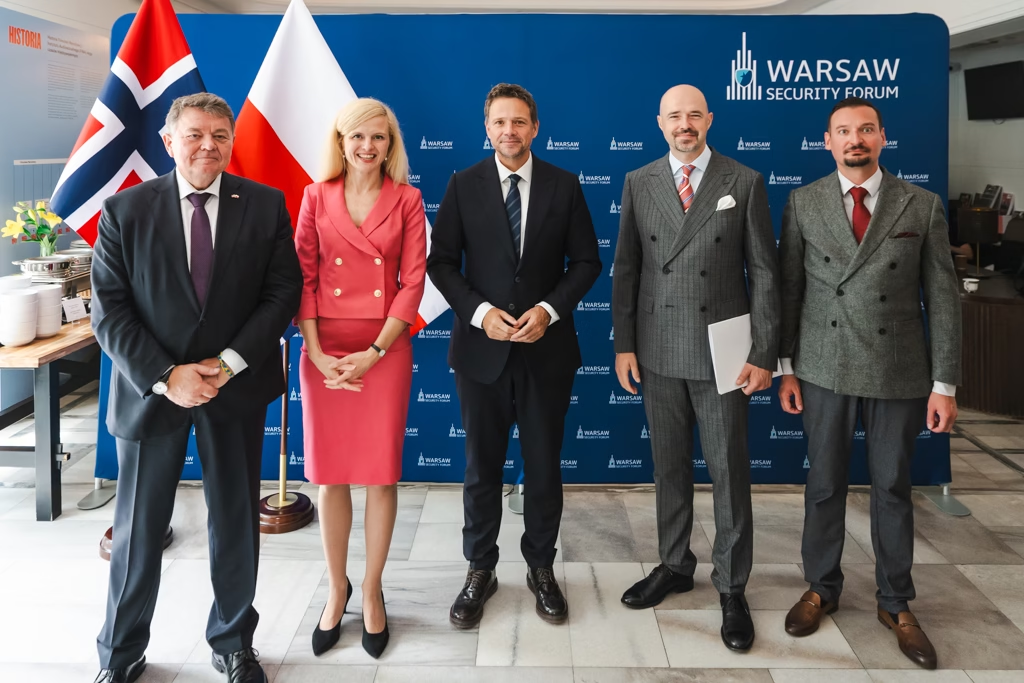
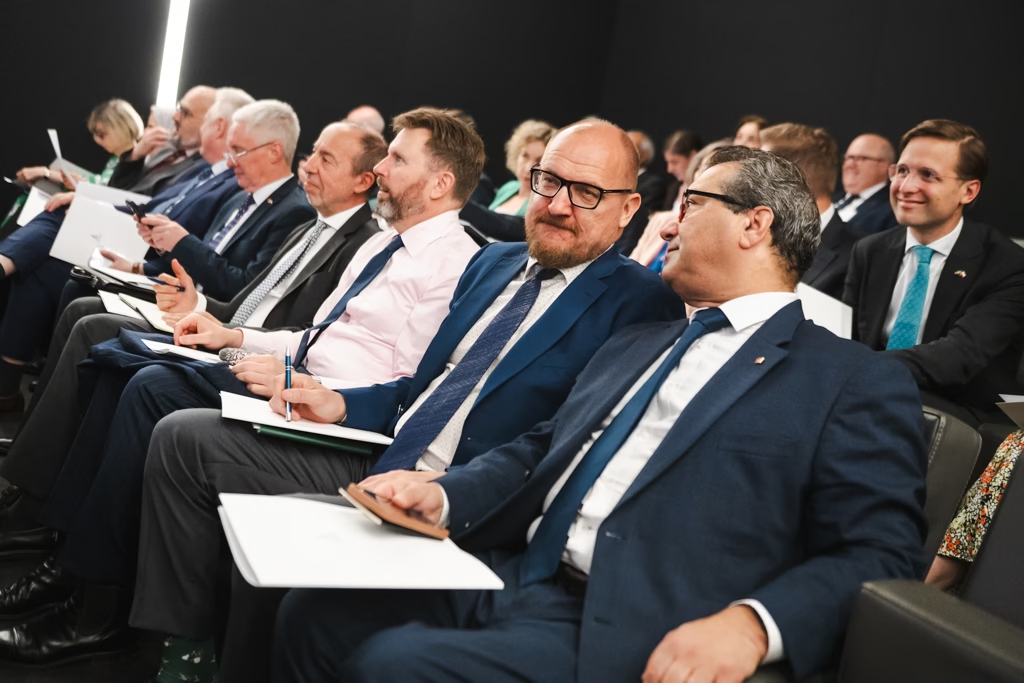
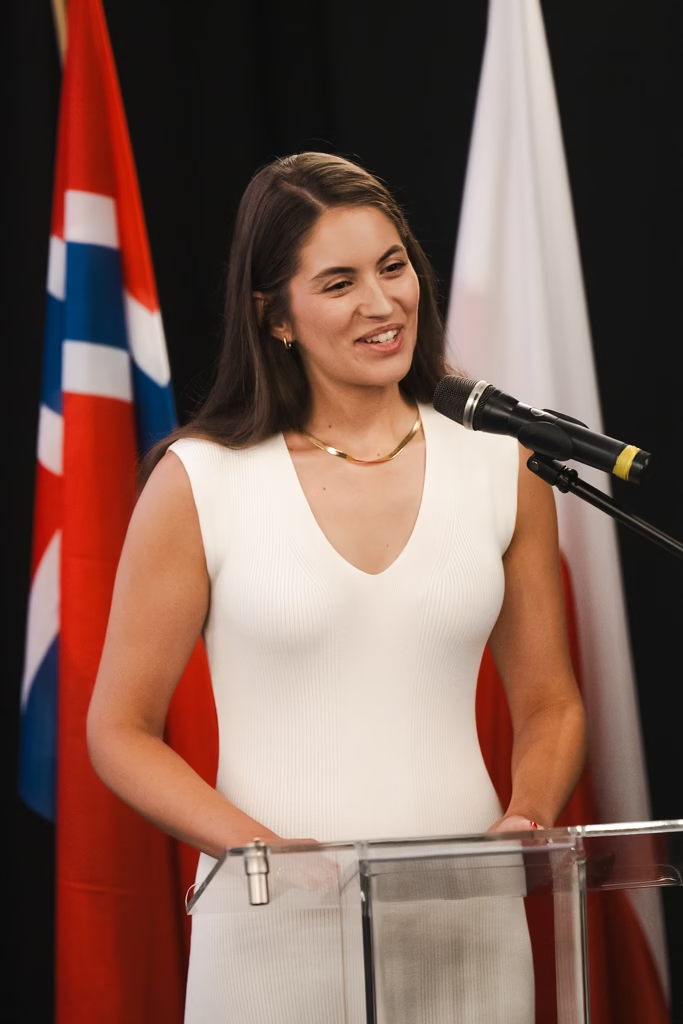
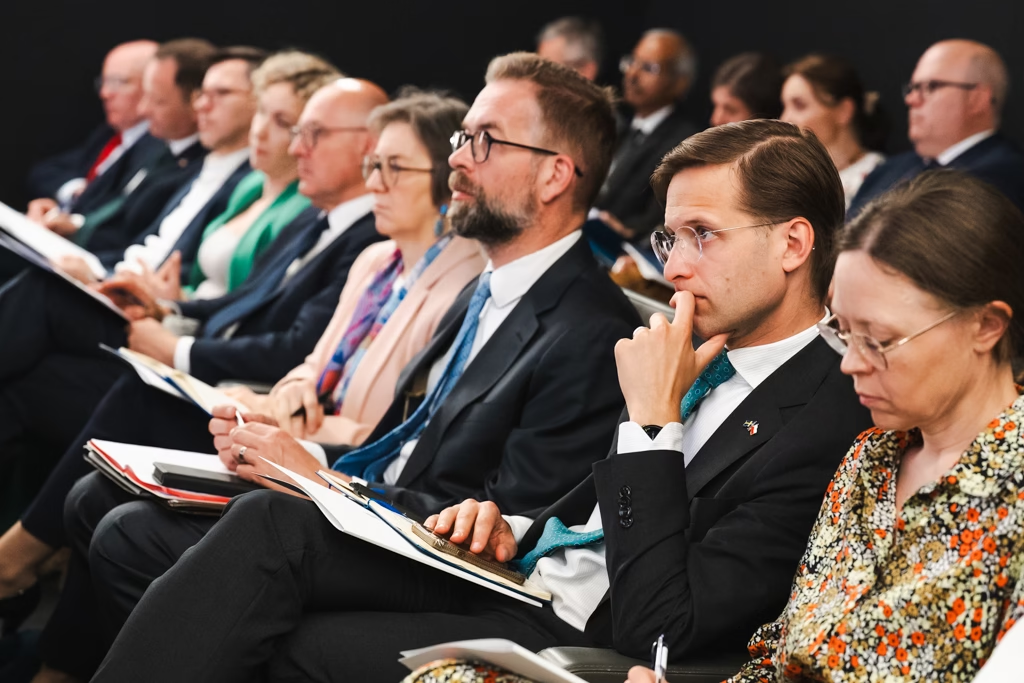
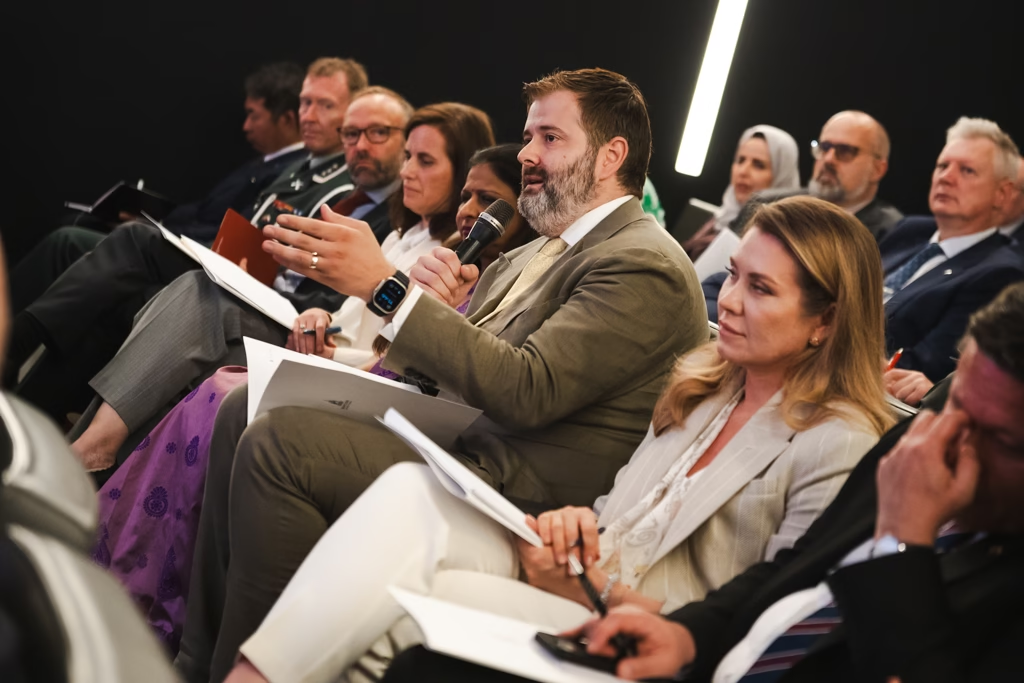
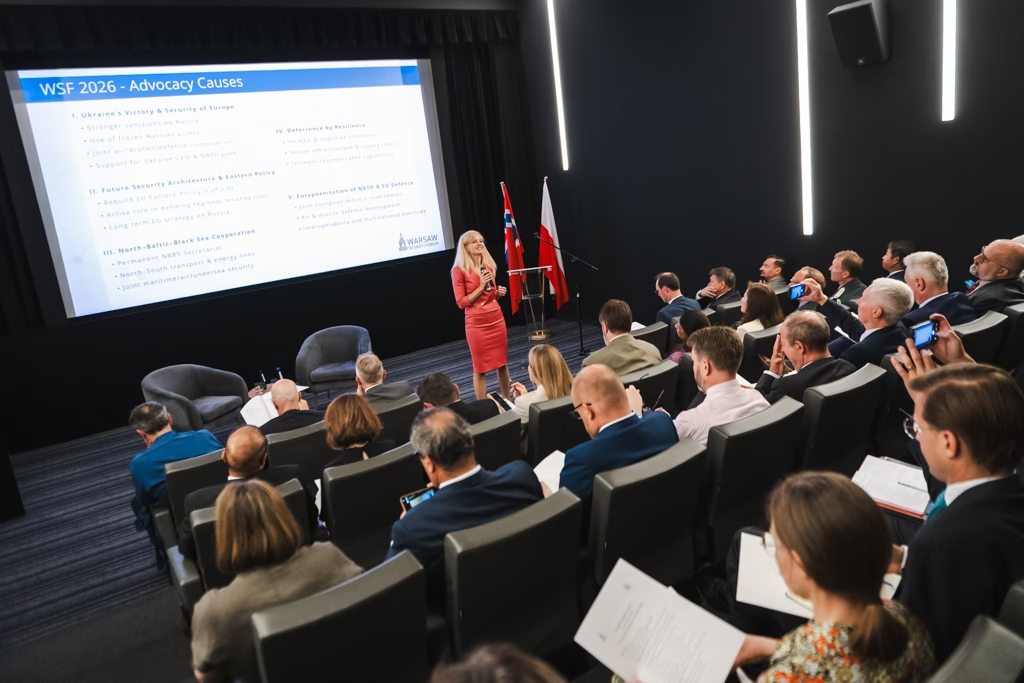
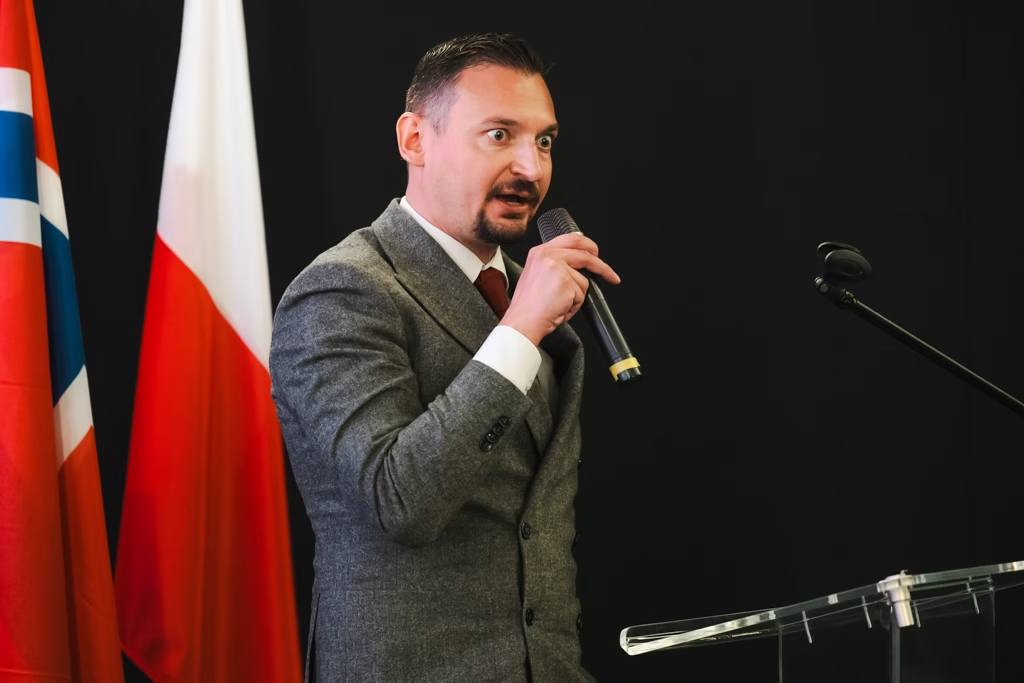
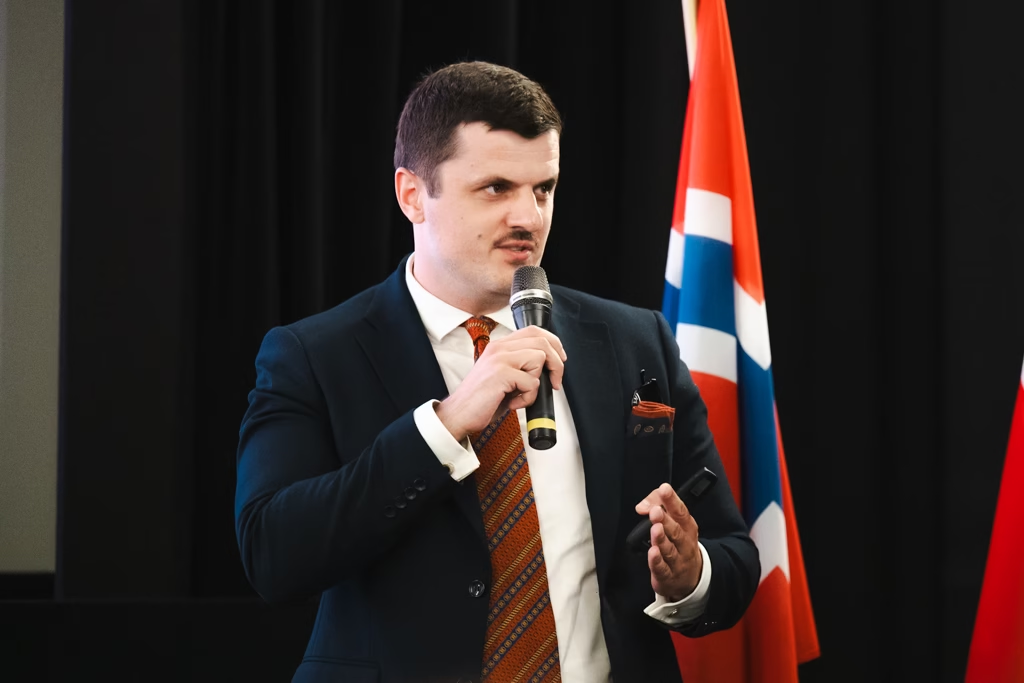
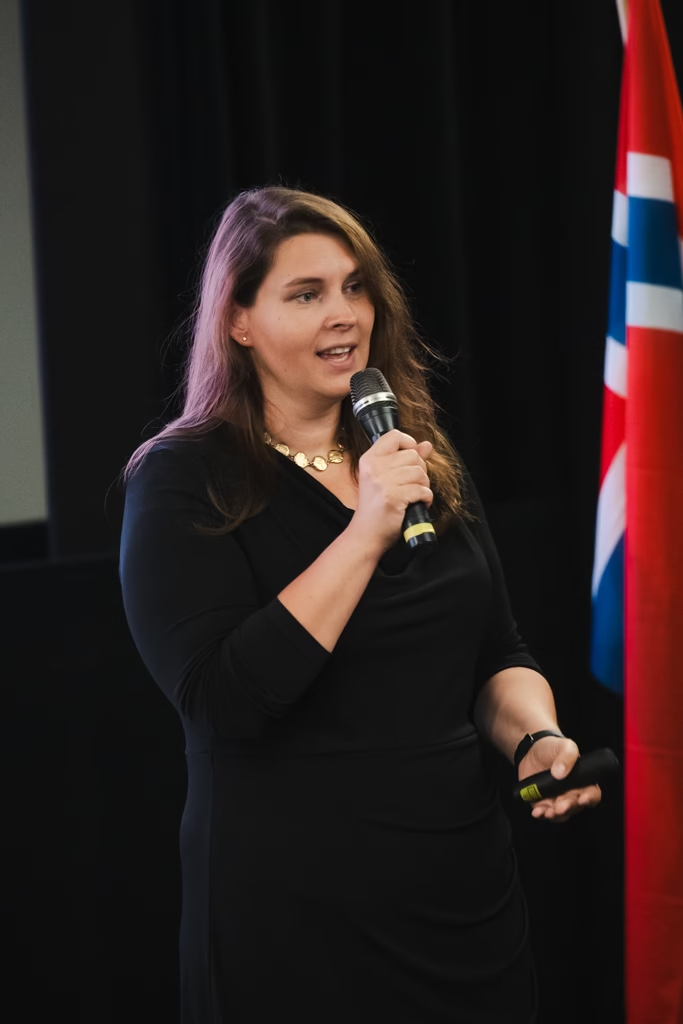
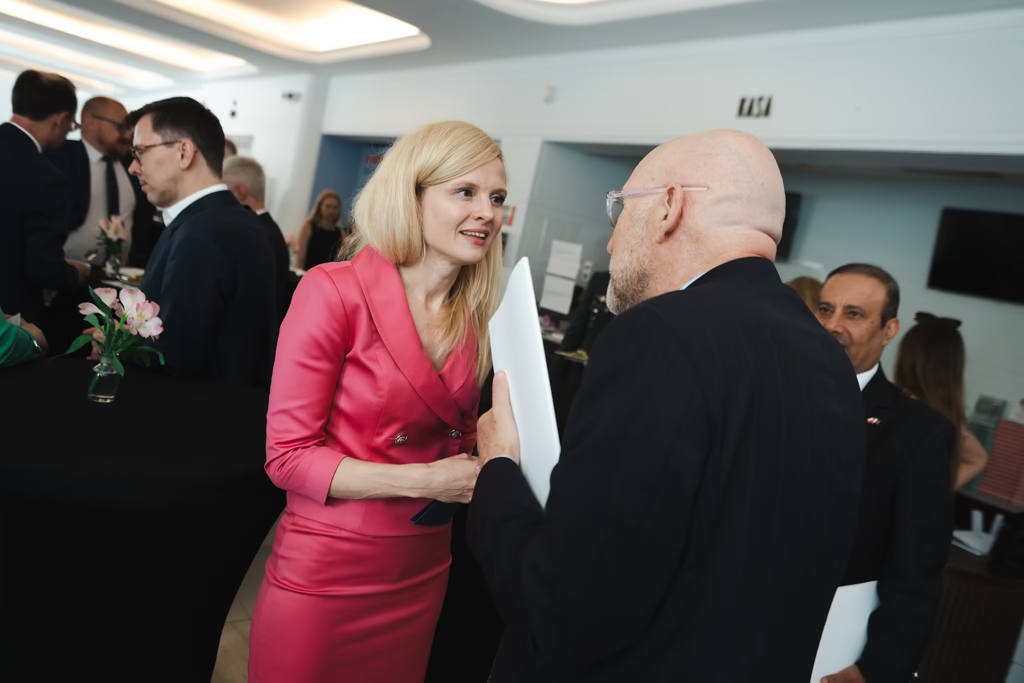
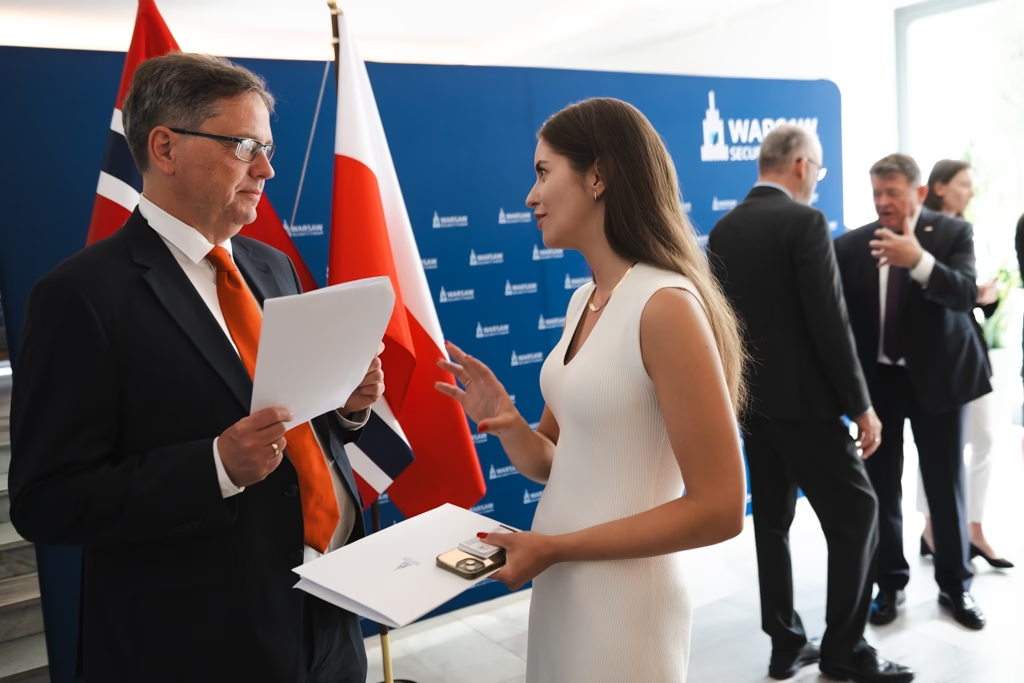
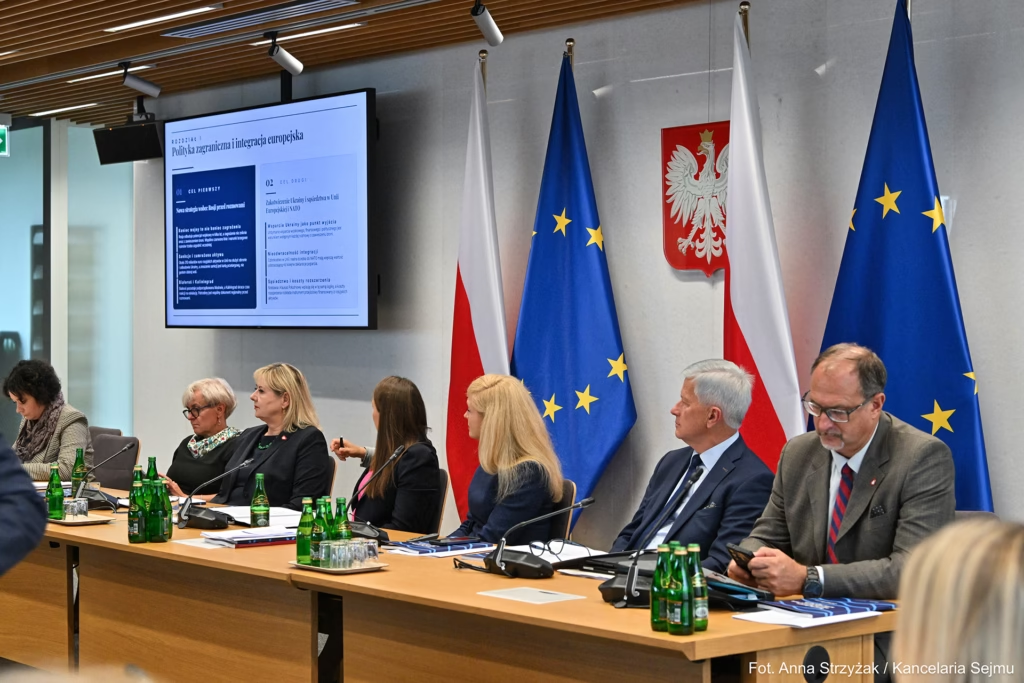
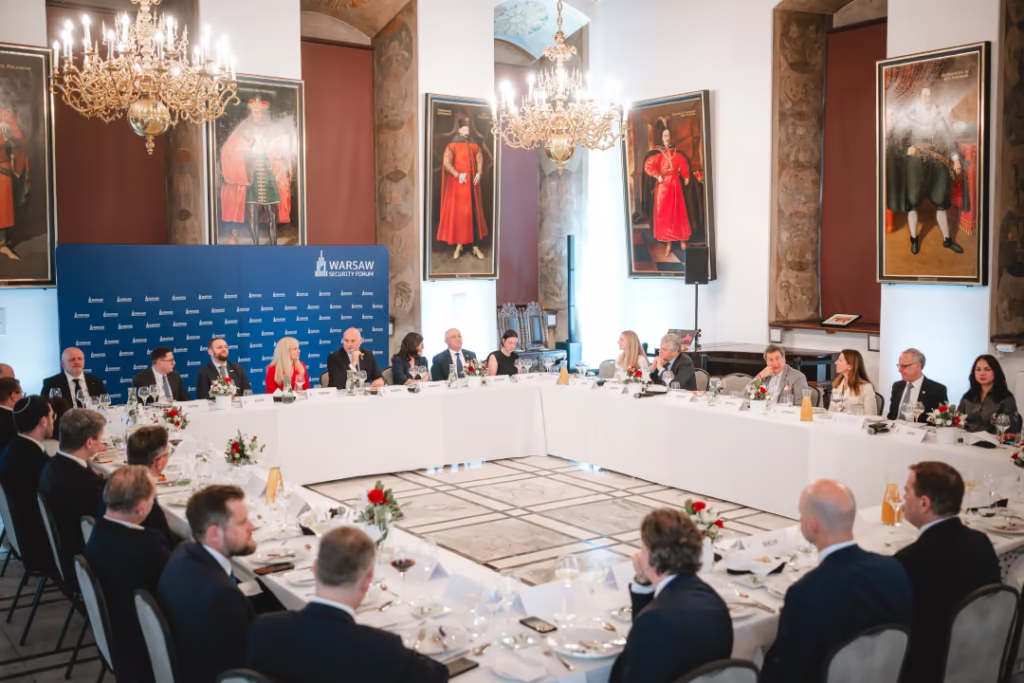
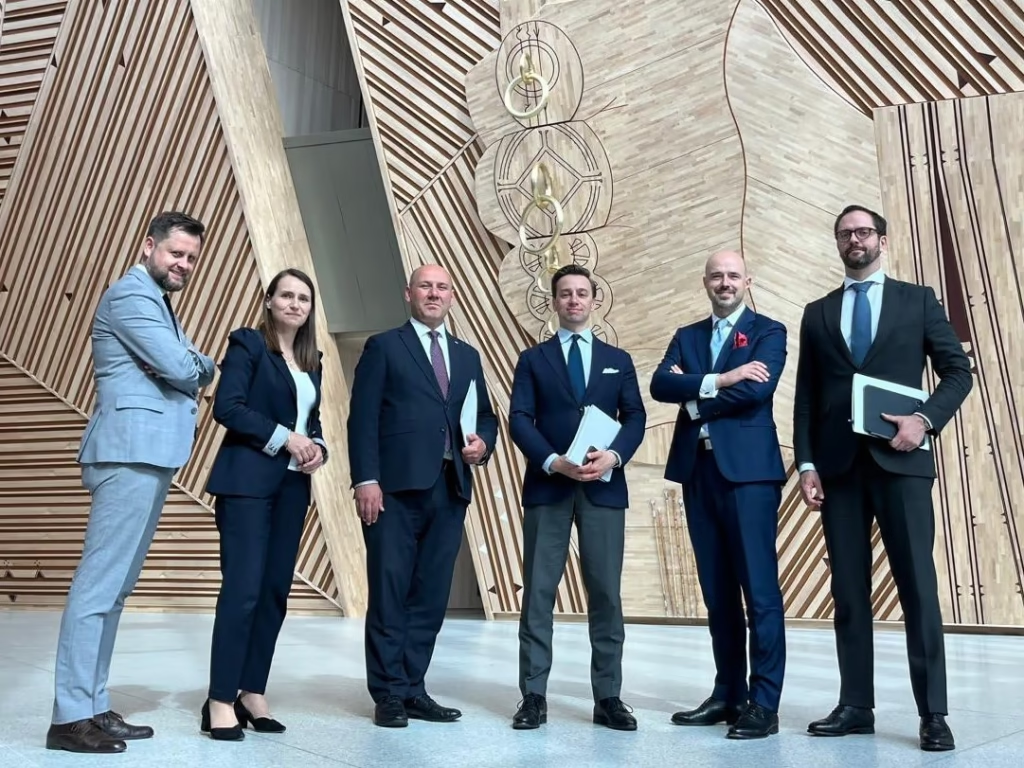
On June 22nd, the Warsaw Security Forum held its Annual Ambassadors’ Meeting, bringing together the heads and senior representatives of more than 40 diplomatic missions accredited in Poland. The meeting was organised in close cooperation with the Embassy of Norway, which serves as the Partner Nation of the Warsaw Security Forum 2026.
The Annual Ambassadors’ Meeting has become a fixed and increasingly significant element of the Forum’s preparatory cycle. It is the moment when WSF connects the diplomatic community accredited in Warsaw directly to the Forum’s strategic priorities for the year – translating the agenda, formats, and advocacy causes of the upcoming Annual Gathering into a shared conversation with the ambassadors who represent allied countries in Poland. In a security environment defined by Russia’s continued aggression against Ukraine and mounting hybrid pressure across the continent, the meeting serves a clear purpose: to align the diplomatic corps around the Forum’s central message early, build common situational awareness, and ensure that the priorities advanced in October are anchored in the perspectives of the states most directly invested in European and transatlantic security.
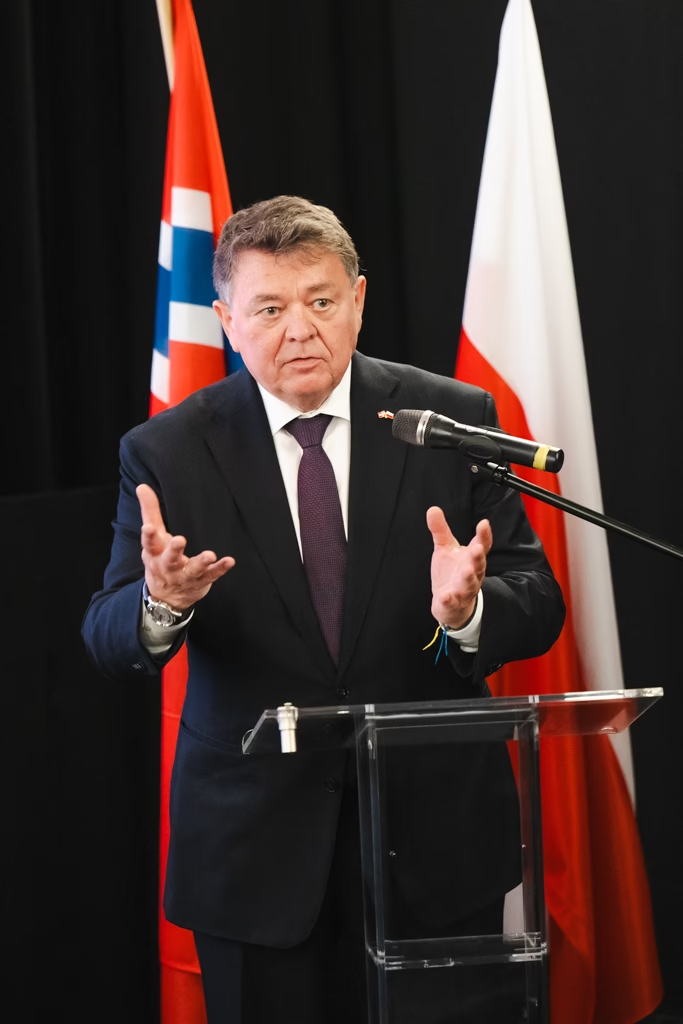
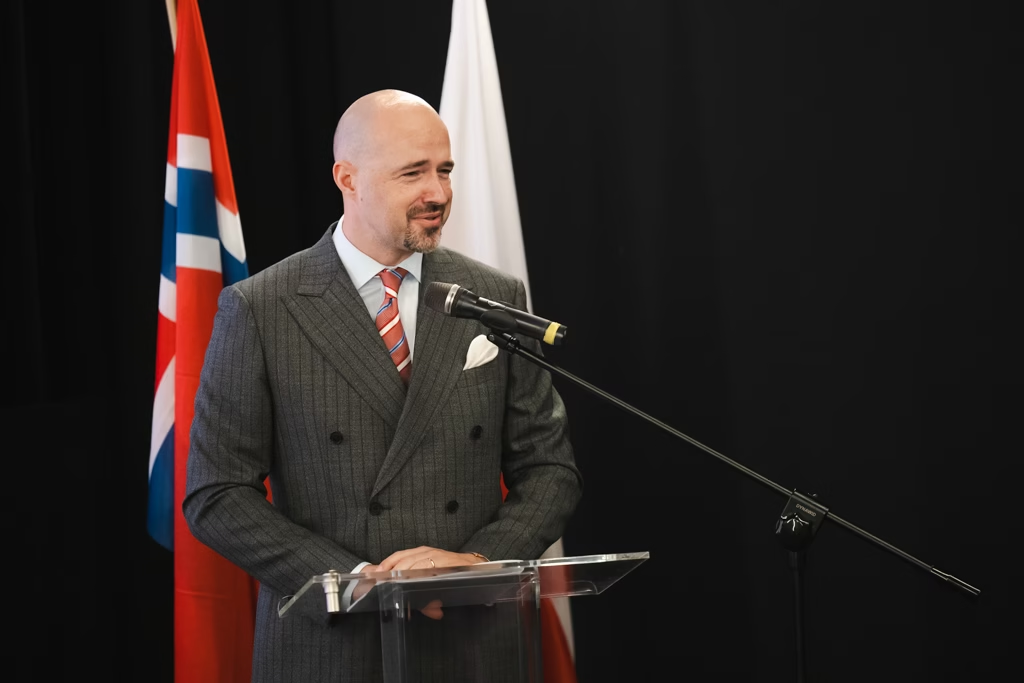
The meeting was opened with welcoming remarks by Mr Zbigniew Pisarski, President of the Board of the Casimir Pulaski Foundation, and H.E. Øystein Bø, Ambassador of Norway to Poland, who underlined Norway’s role as Partner Nation and the depth of Polish-Norwegian cooperation across the Nordic-Baltic-Polish space – from the High North to the Baltic Sea.
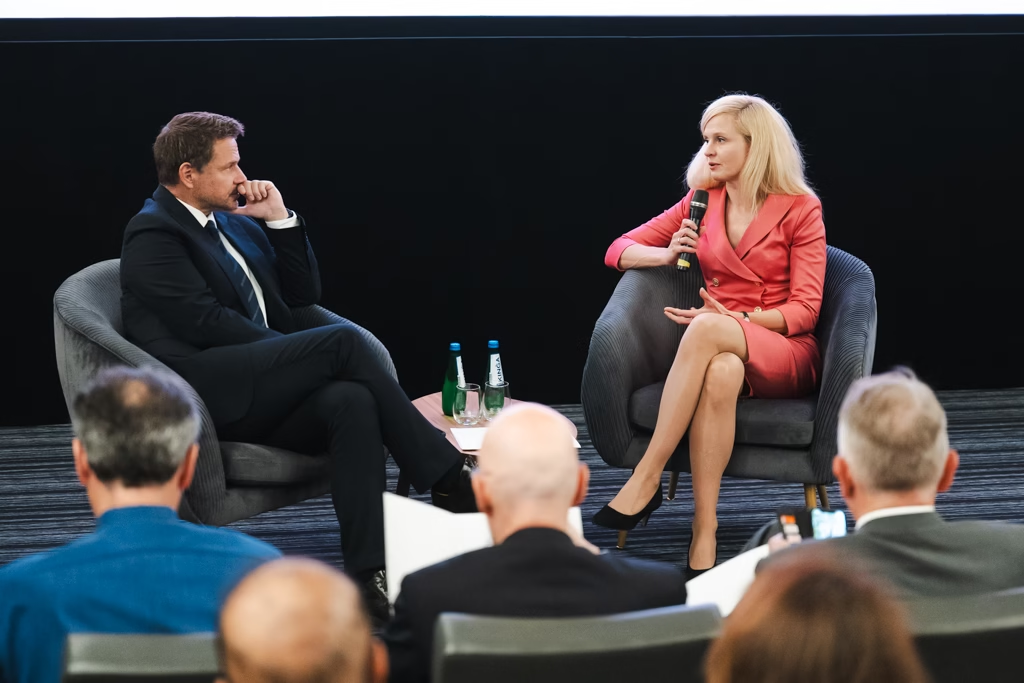
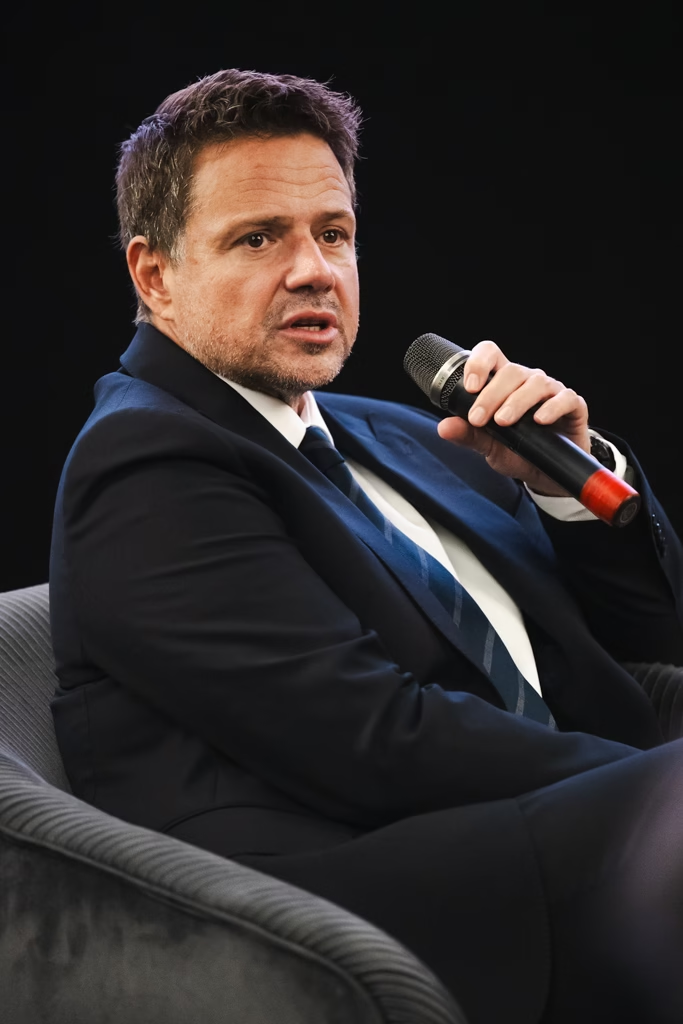
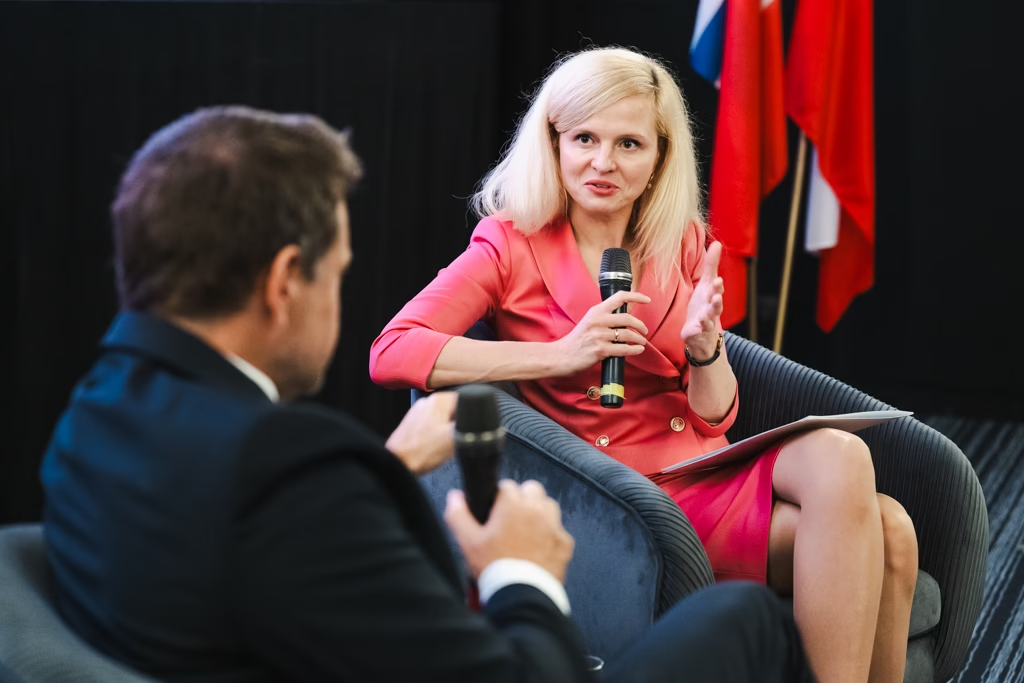
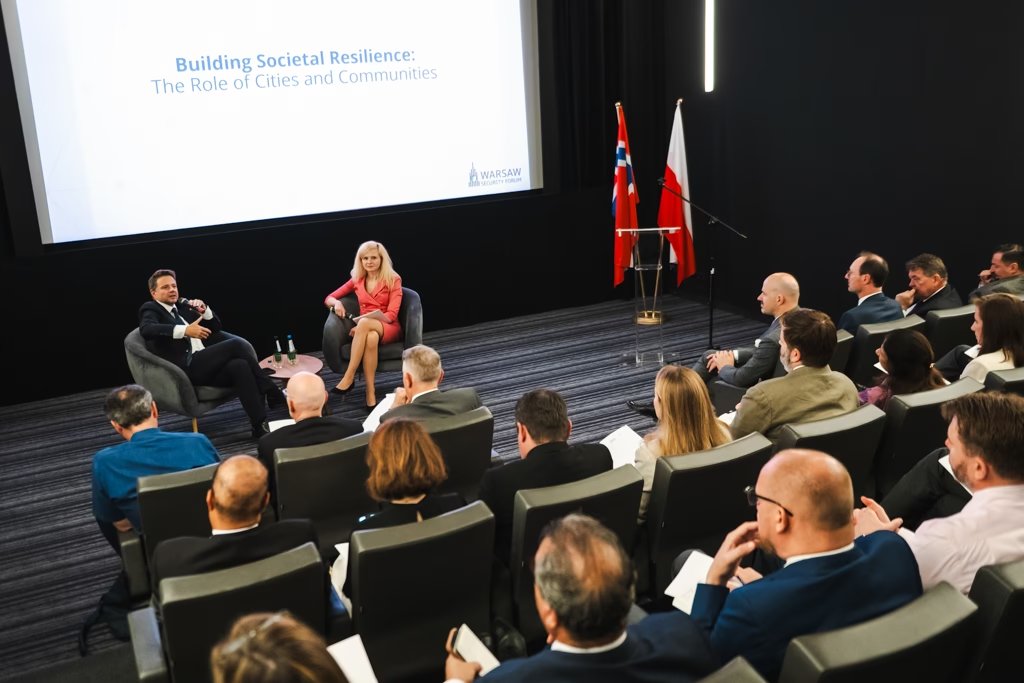
A highlight of the meeting was a conversation with the Guest of Honour, Mr Rafał Trzaskowski, Mayor of Warsaw, led by Prof. Katarzyna Pisarska, Chair of the Warsaw Security Forum. Under the title Building Societal Resilience: The Role of Cities and Communities, the discussion explored how urban centres and local communities are becoming front-line actors in national preparedness – and how cities can be hardened against the full spectrum of contemporary crises, from hybrid threats and disinformation to infrastructure disruption and emergencies that demand a whole-of-society response.
The conversation drew explicitly on the Scandinavian total defence model, in which resilience is built not by the armed forces alone but through the coordinated contribution of the state, municipalities, businesses, volunteers, and citizens. The timing is significant: Norway has designated 2026 its „Total Defence Year” (Totalforsvarsåret) – a national effort to strengthen the country’s collective resilience against crisis and war. As the Partner Nation, Norway brings this whole-of-society approach directly into the WSF 2026 conversation, offering a model from which cities like Warsaw – and societies across the eastern flank – can draw.
Prof. Katarzyna Pisarska presented the current state of preparations for this year’s Annual Gathering, which since 2014 has grown into one of the world’s leading conferences for high-level dialogue on transatlantic security. The heads of the Forum’s thematic tracks then outlined the strategic priorities guiding their work as preparations continue, while the team also shared the thinking behind the forthcoming WSF 2026 Annual Report, which places the Nordic-Baltic-Polish group at the centre of European security.
The Warsaw Security Forum extends its sincere thanks to H.E. Øystein Bø, the Embassy of Norway and to all ambassadors and distinguished guests for their engagement and support. We look forward to welcoming the international community to Warsaw this October for another impactful edition of the Forum.