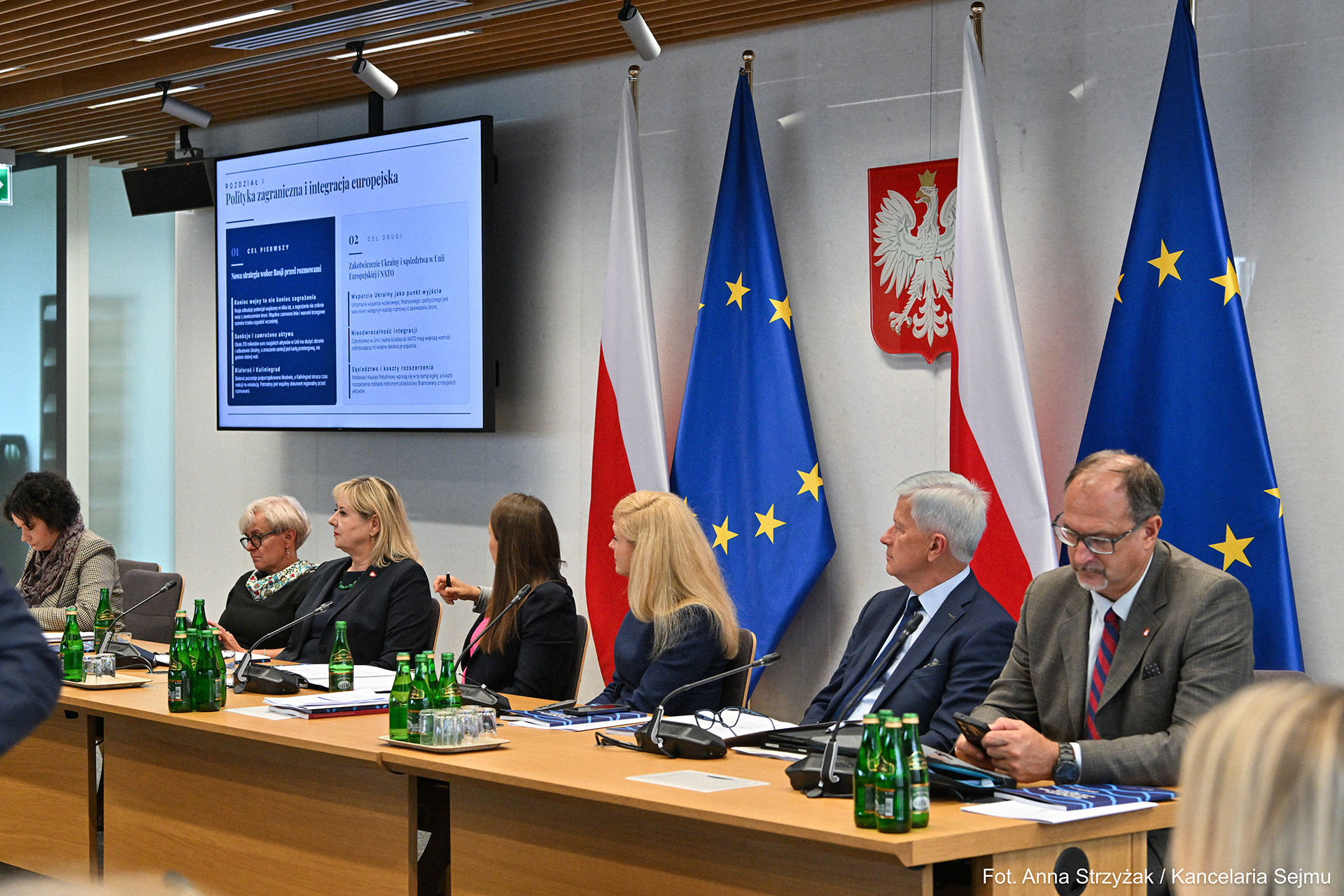
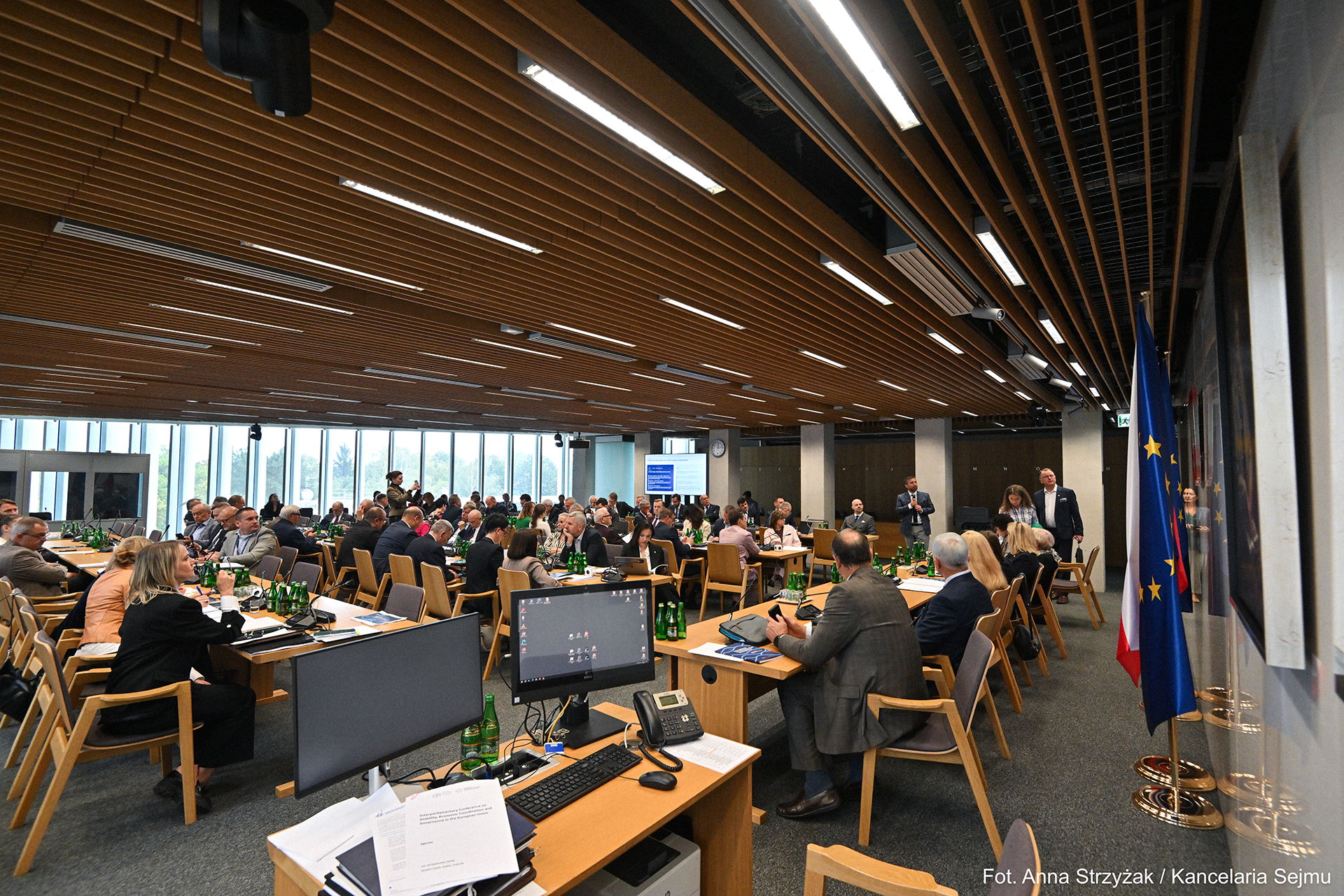
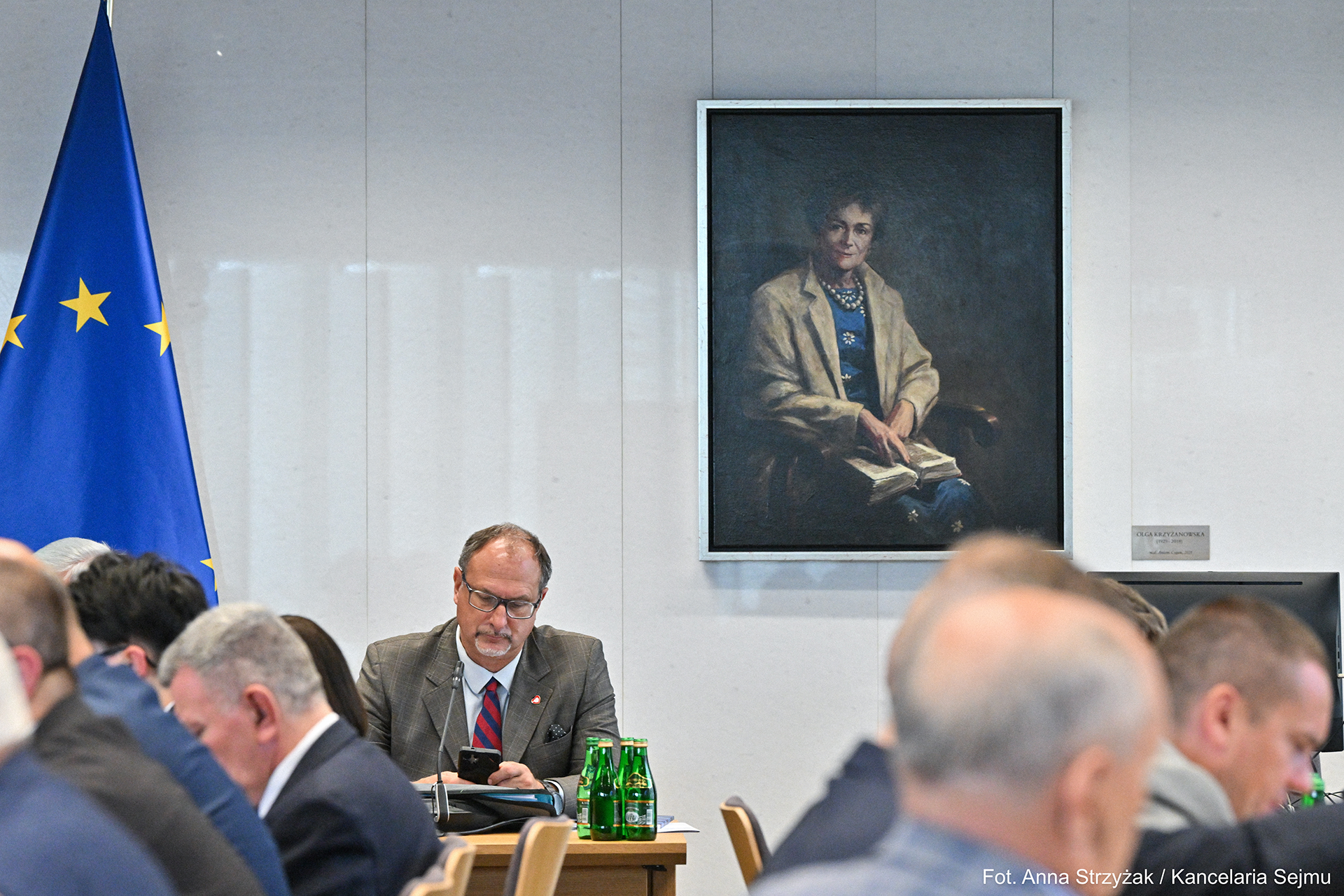
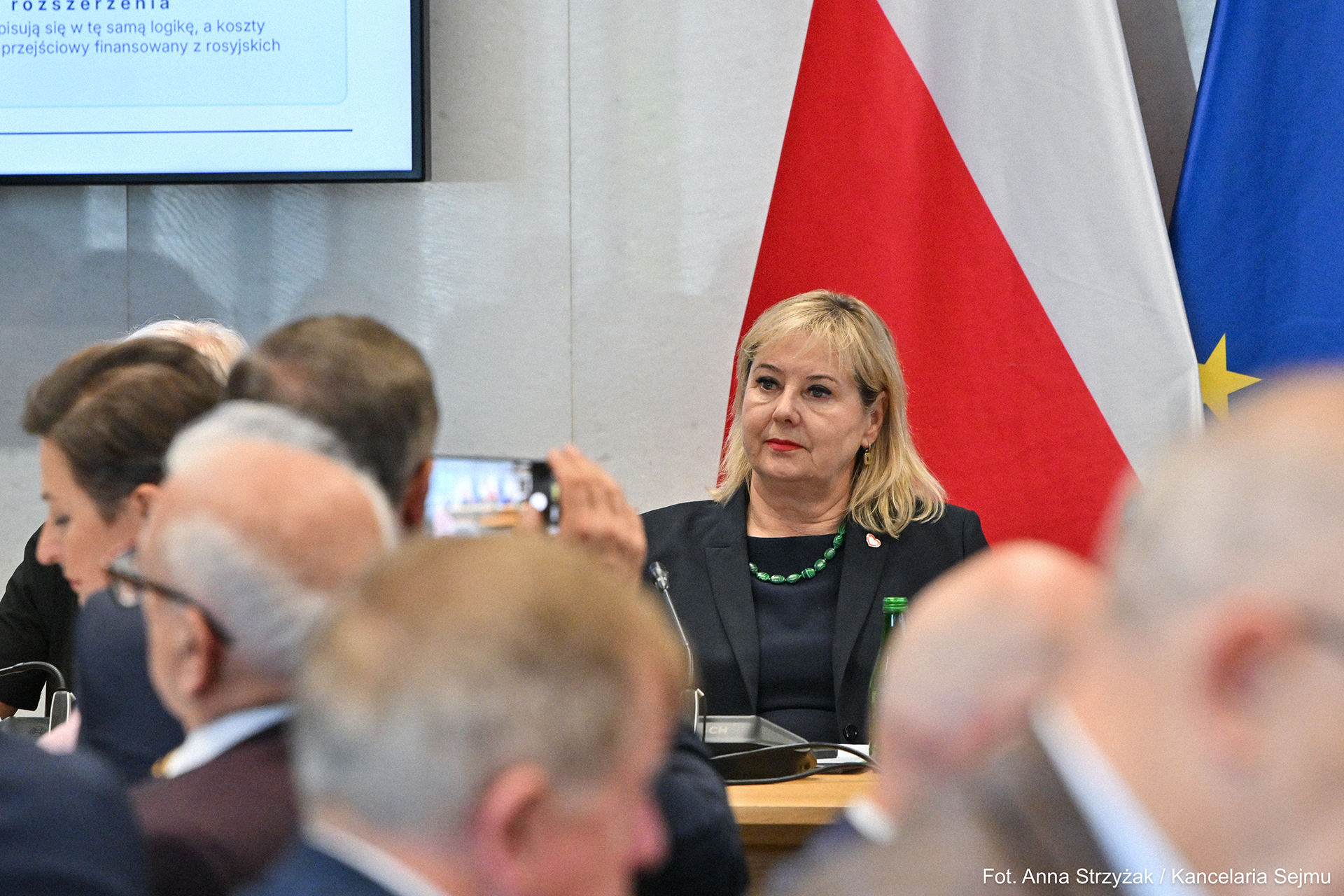
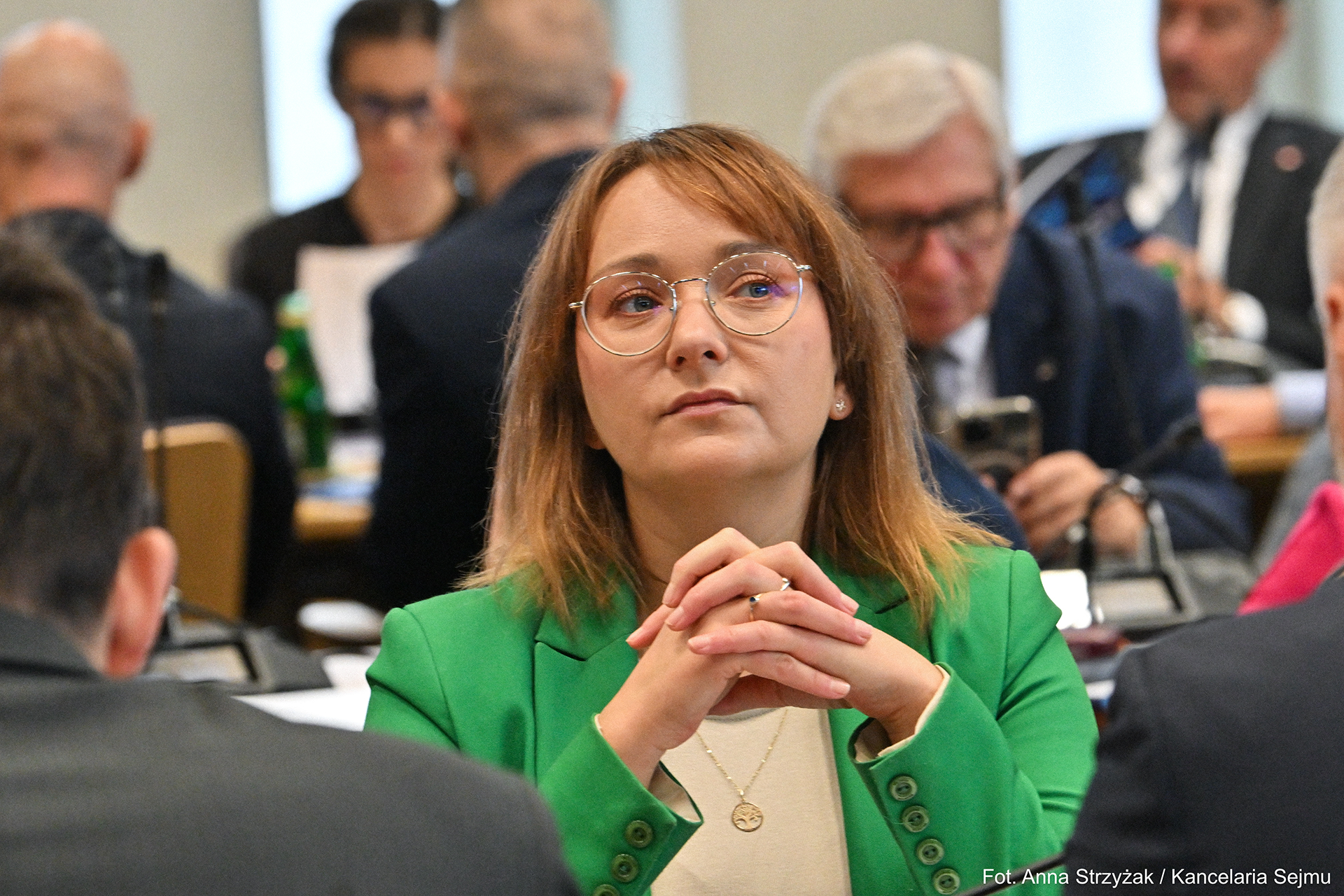
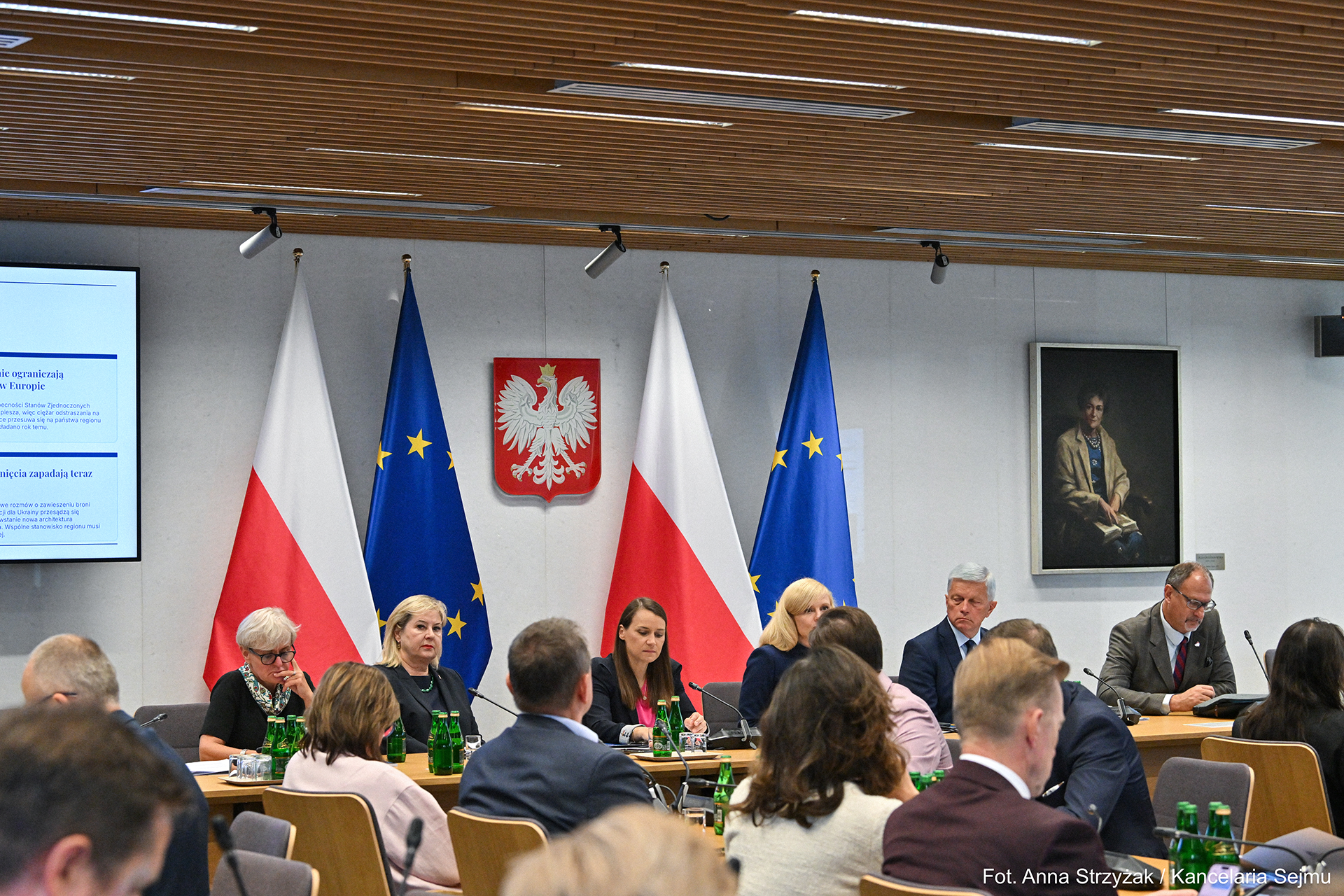
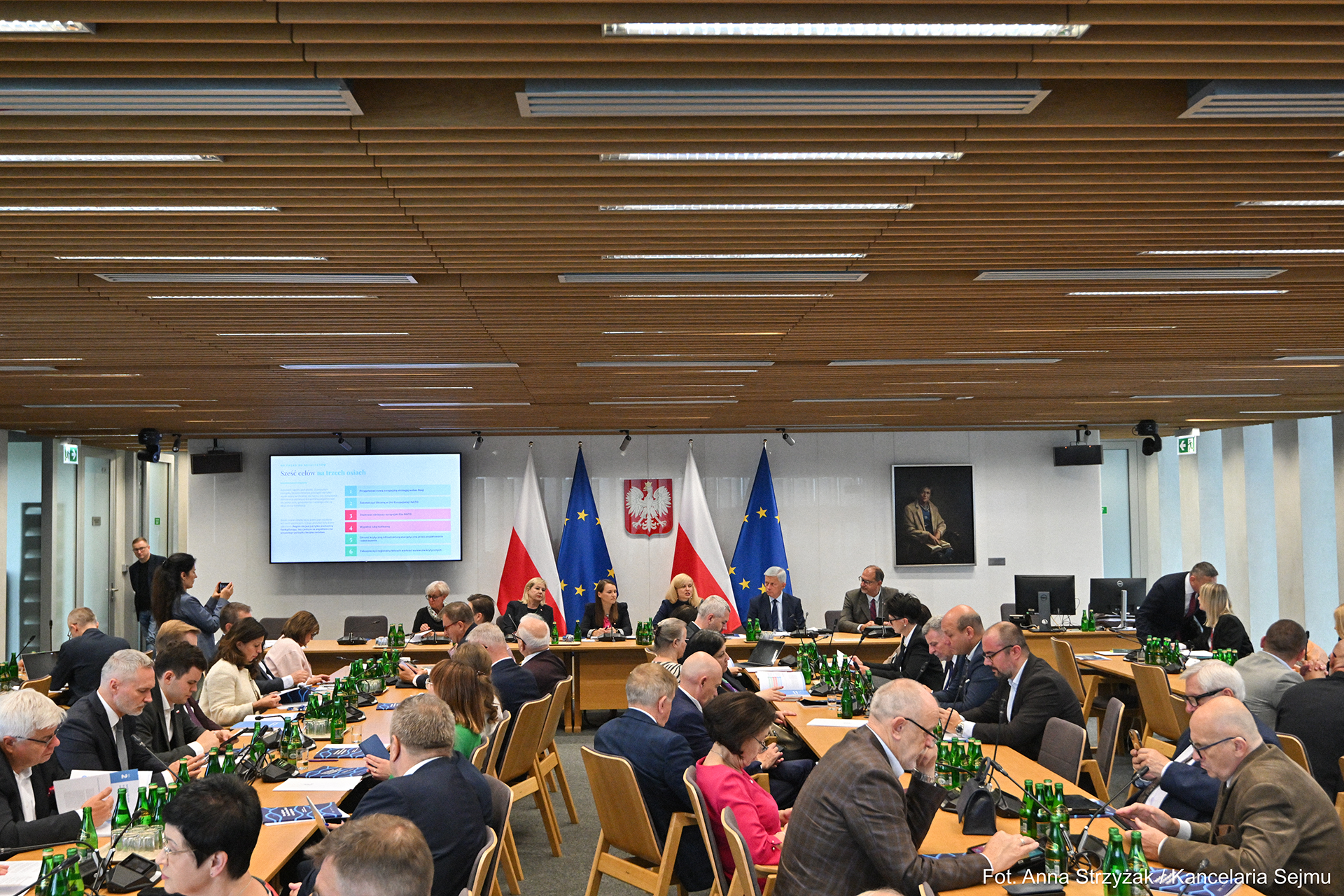
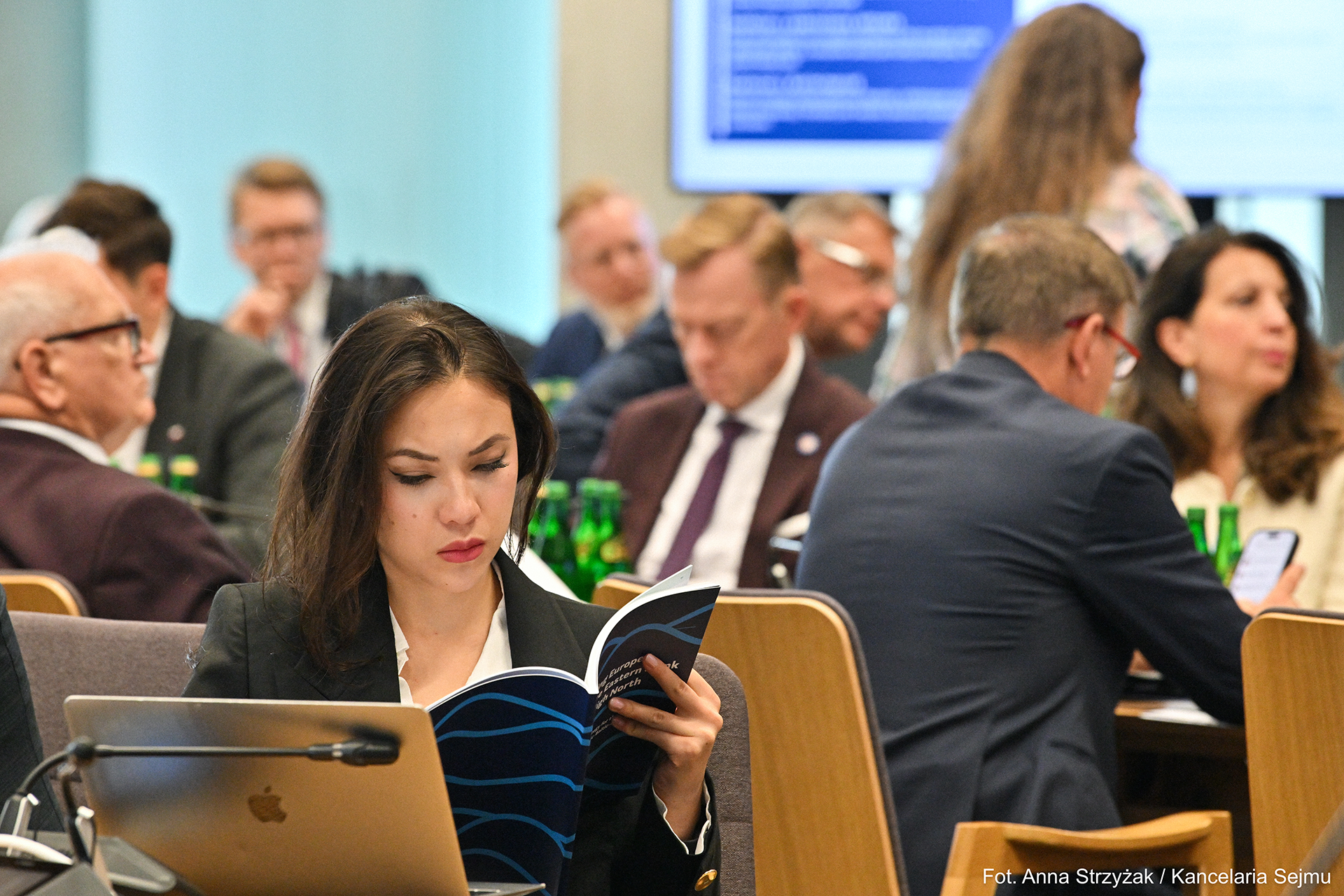
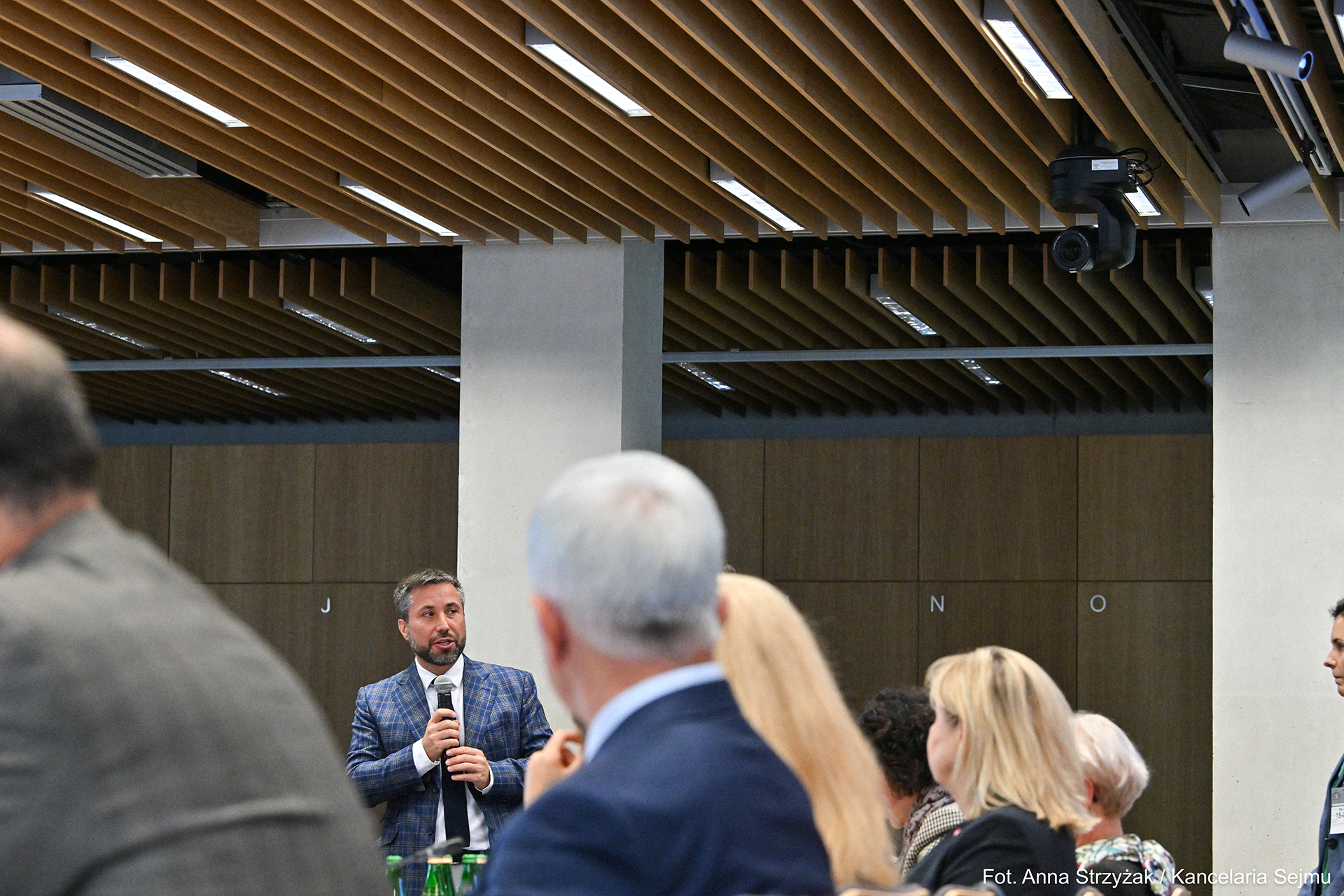
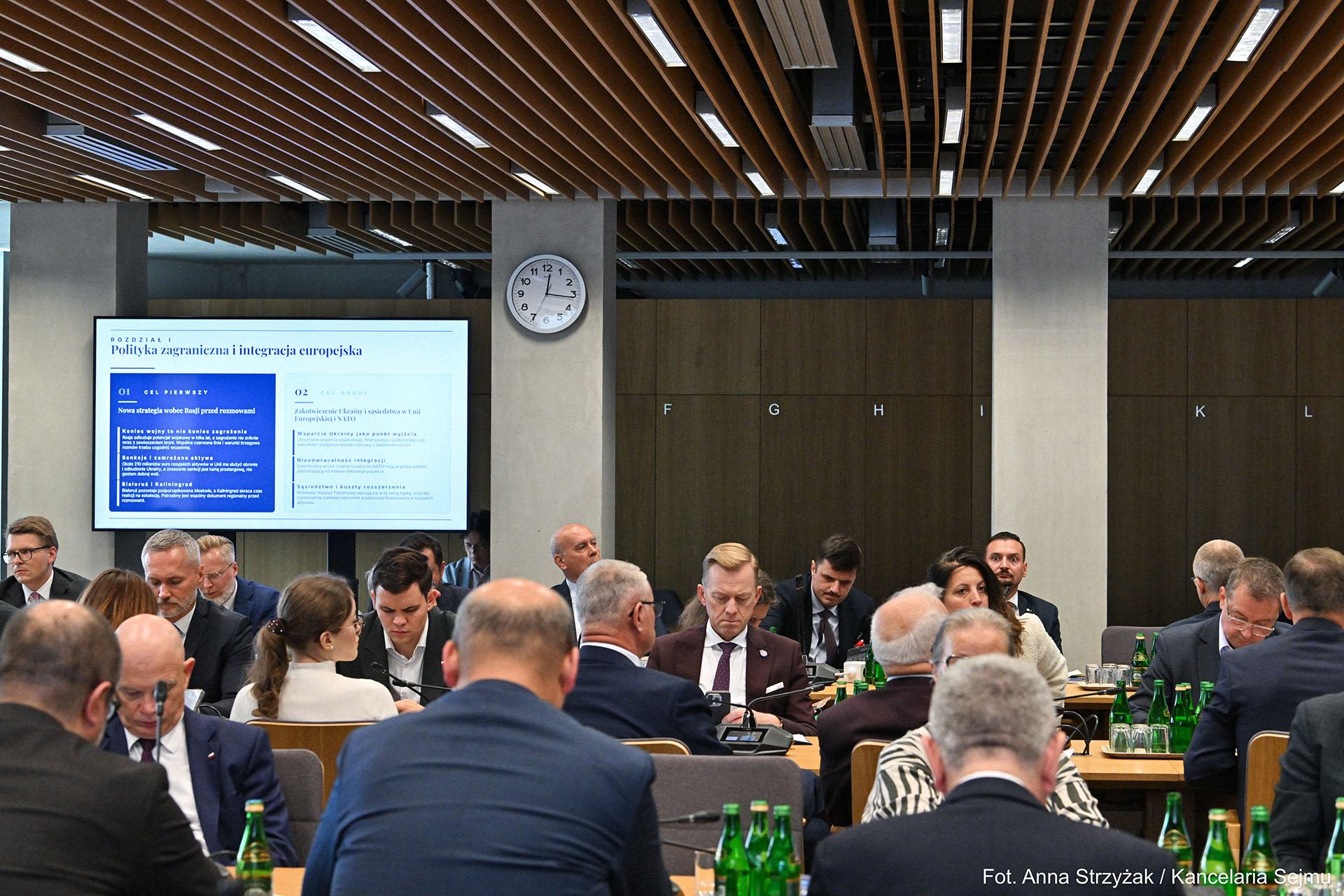
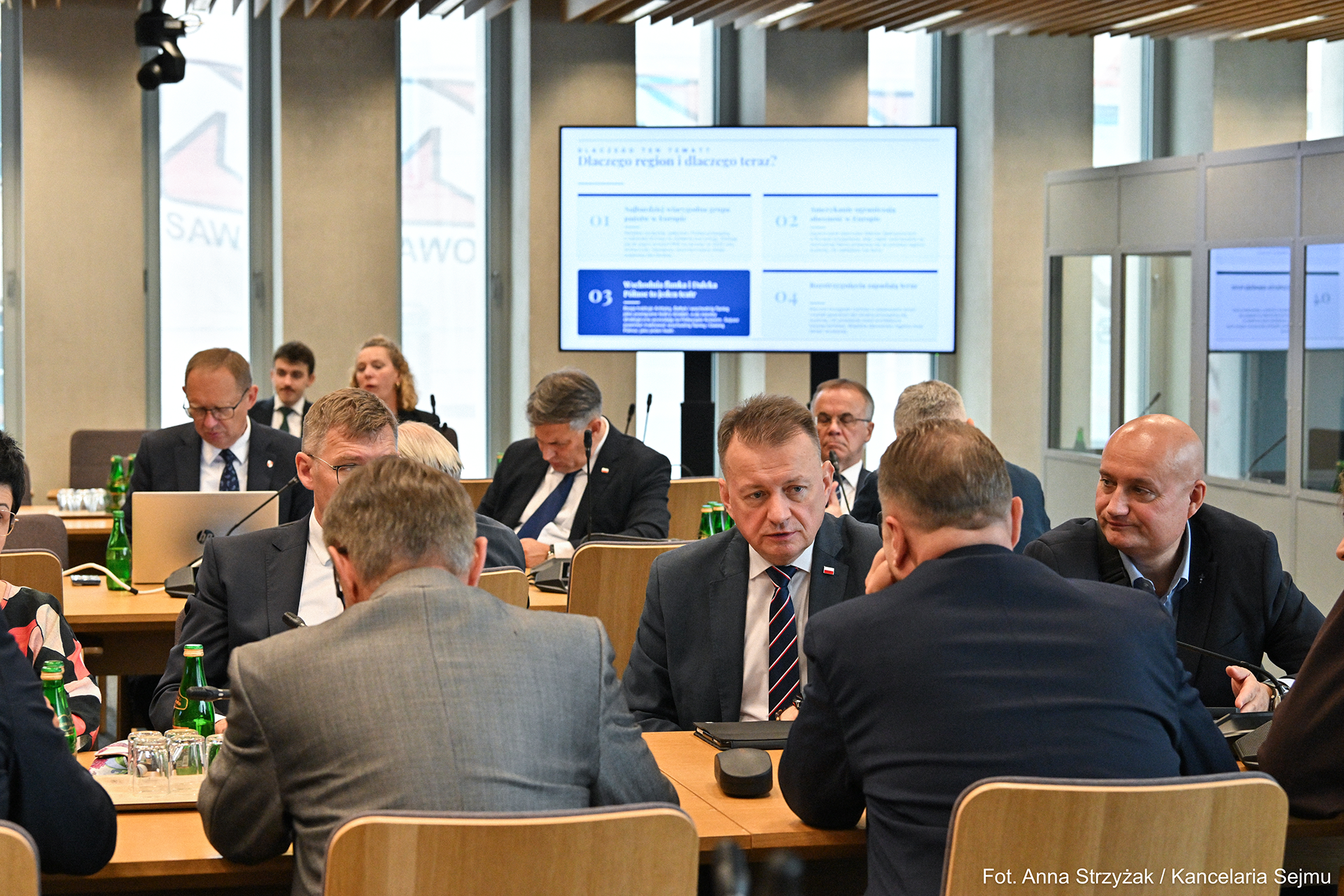
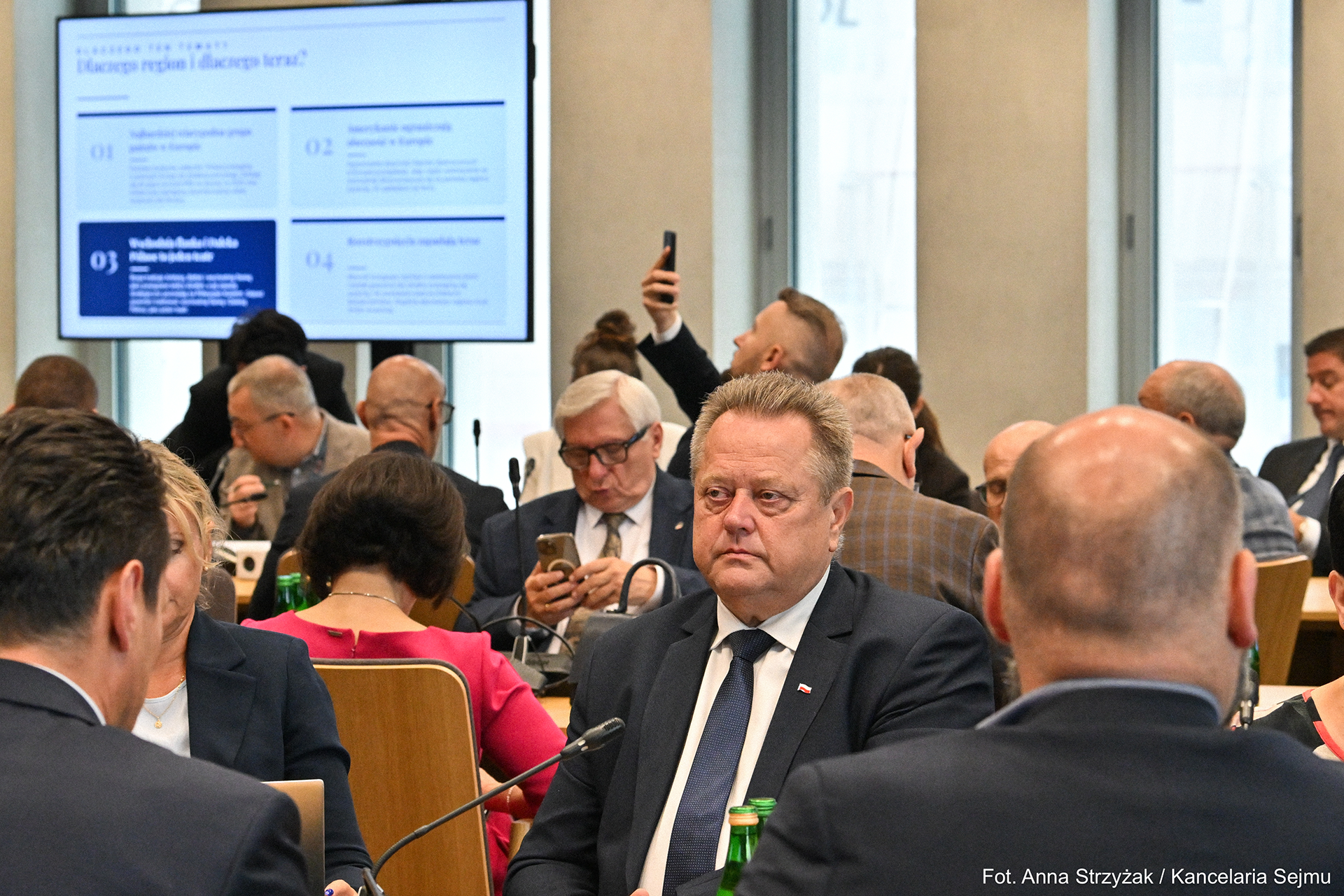
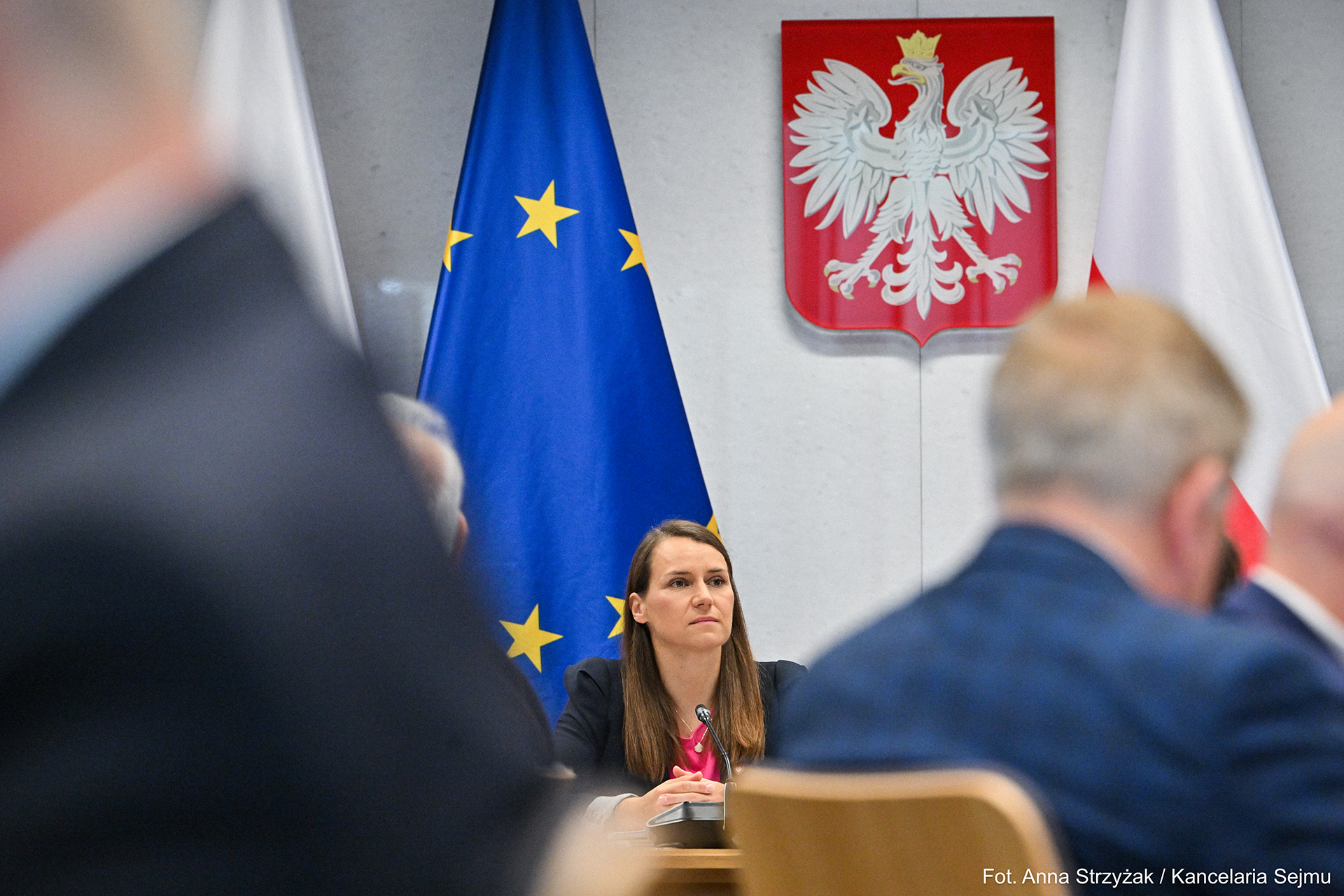
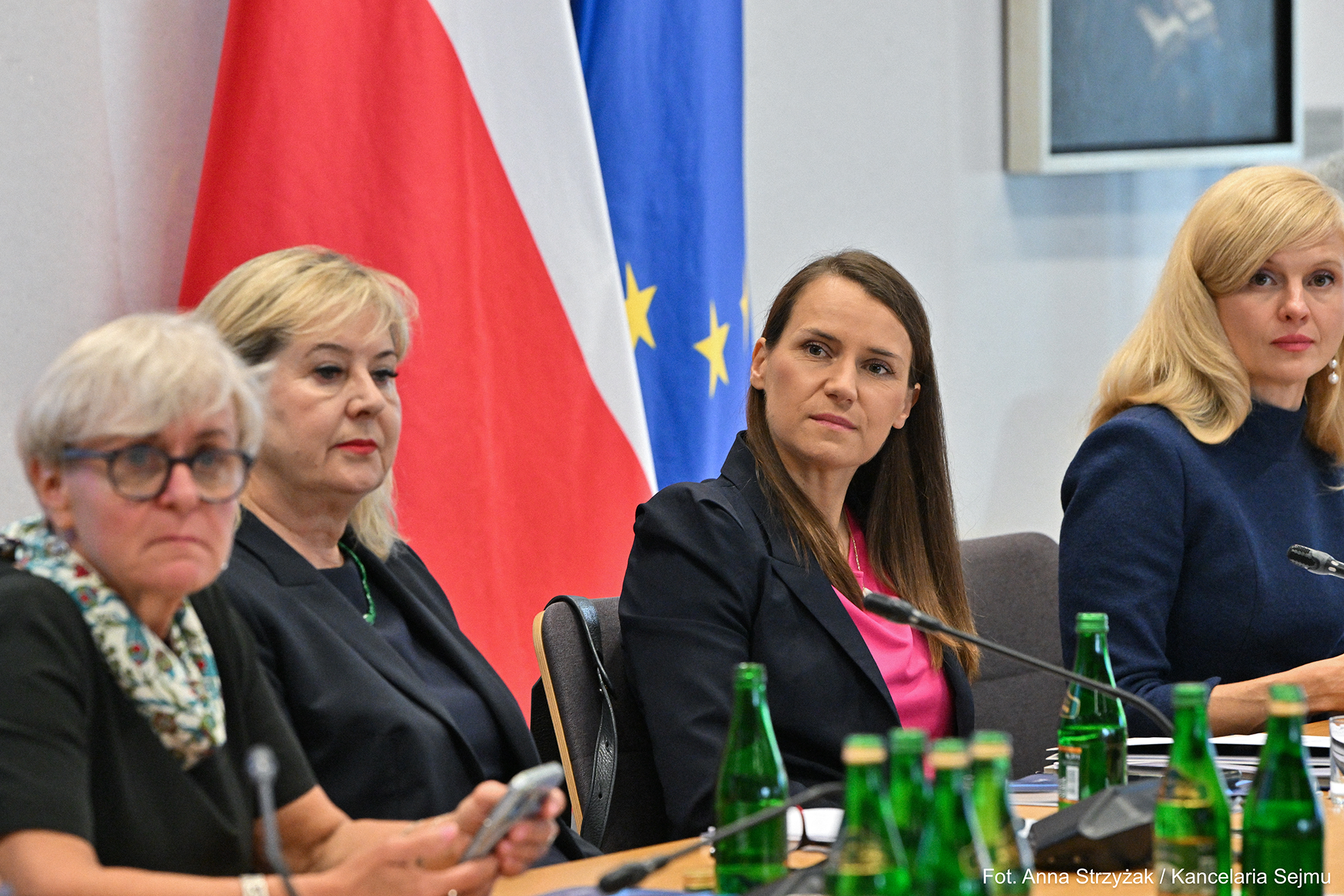
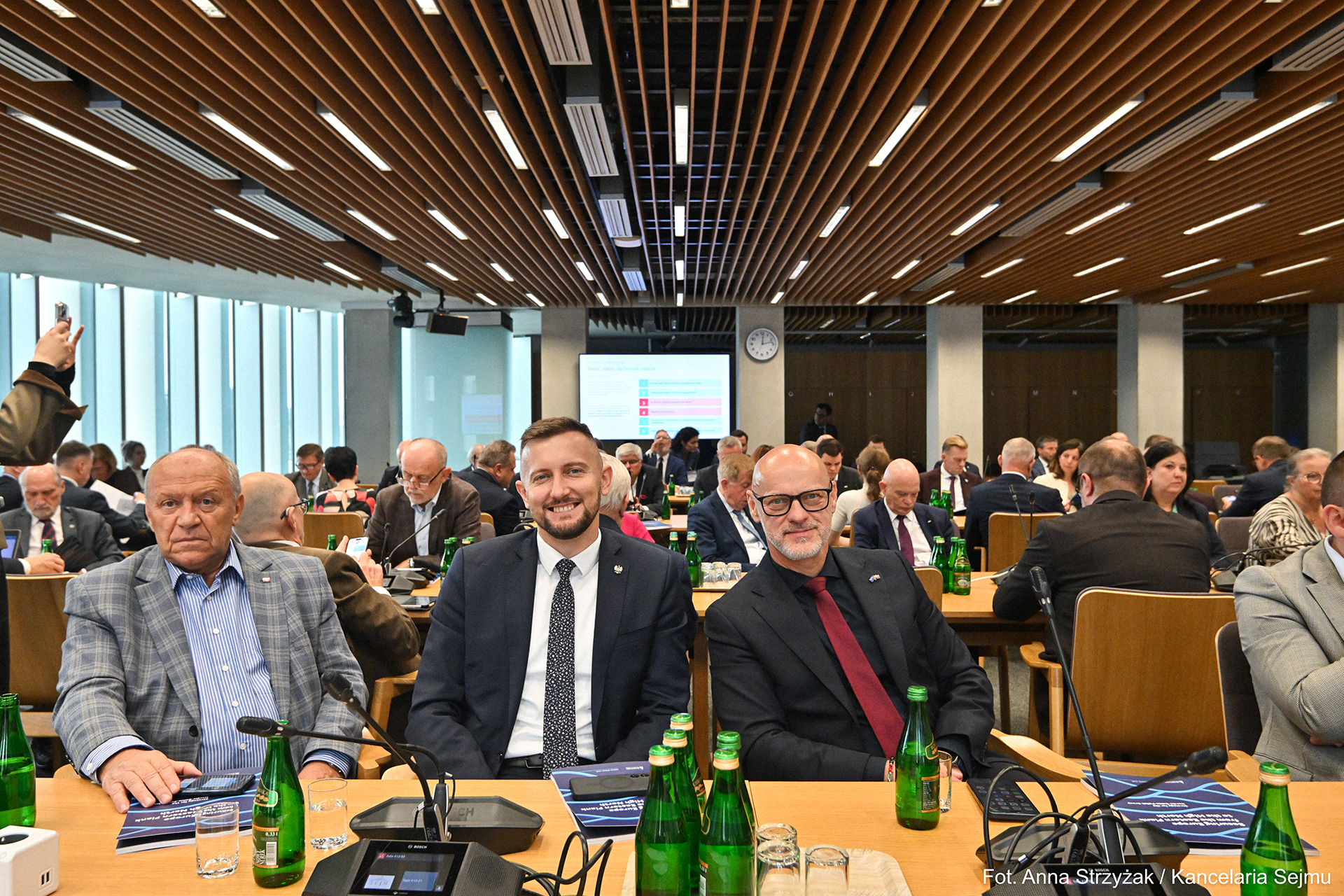
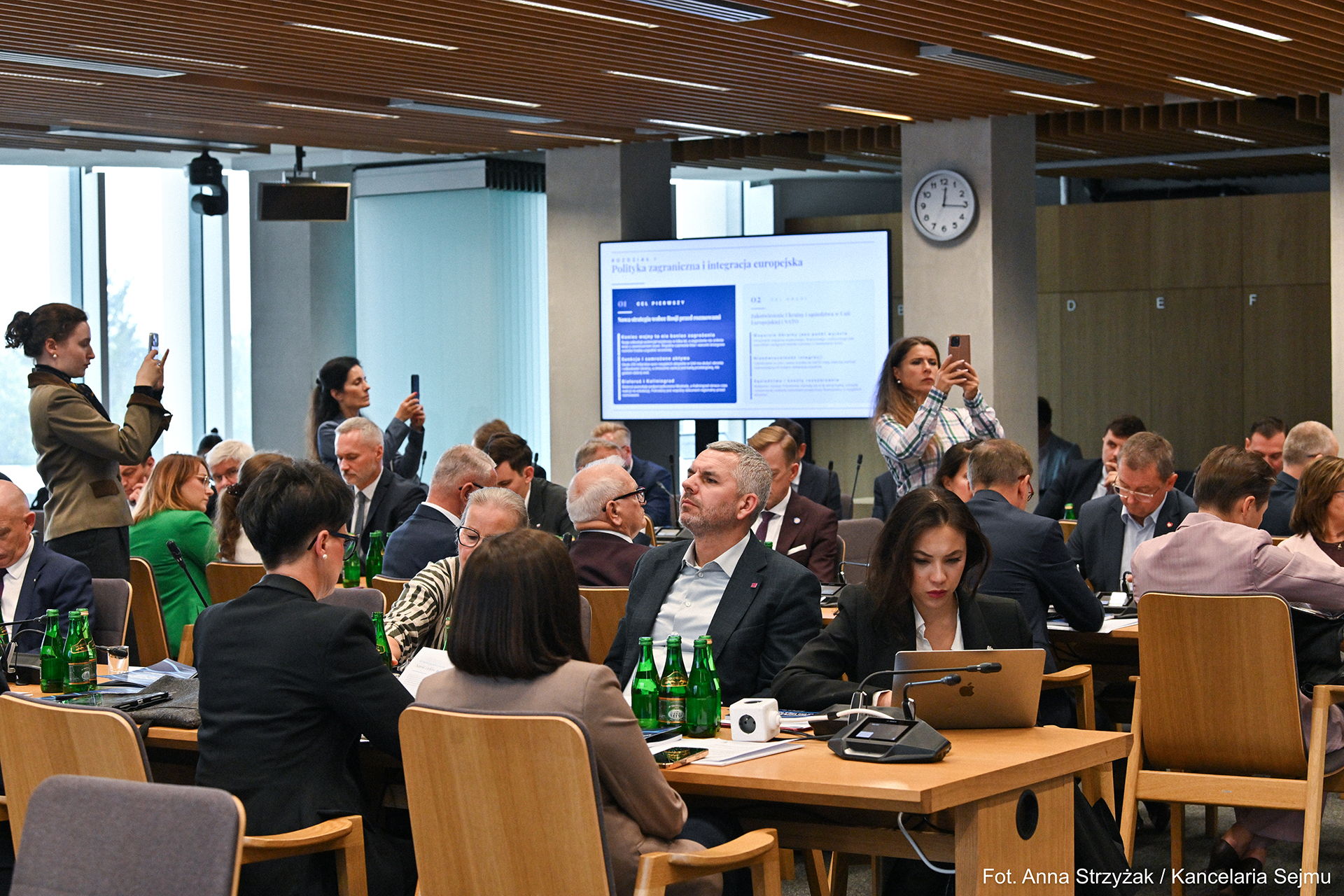
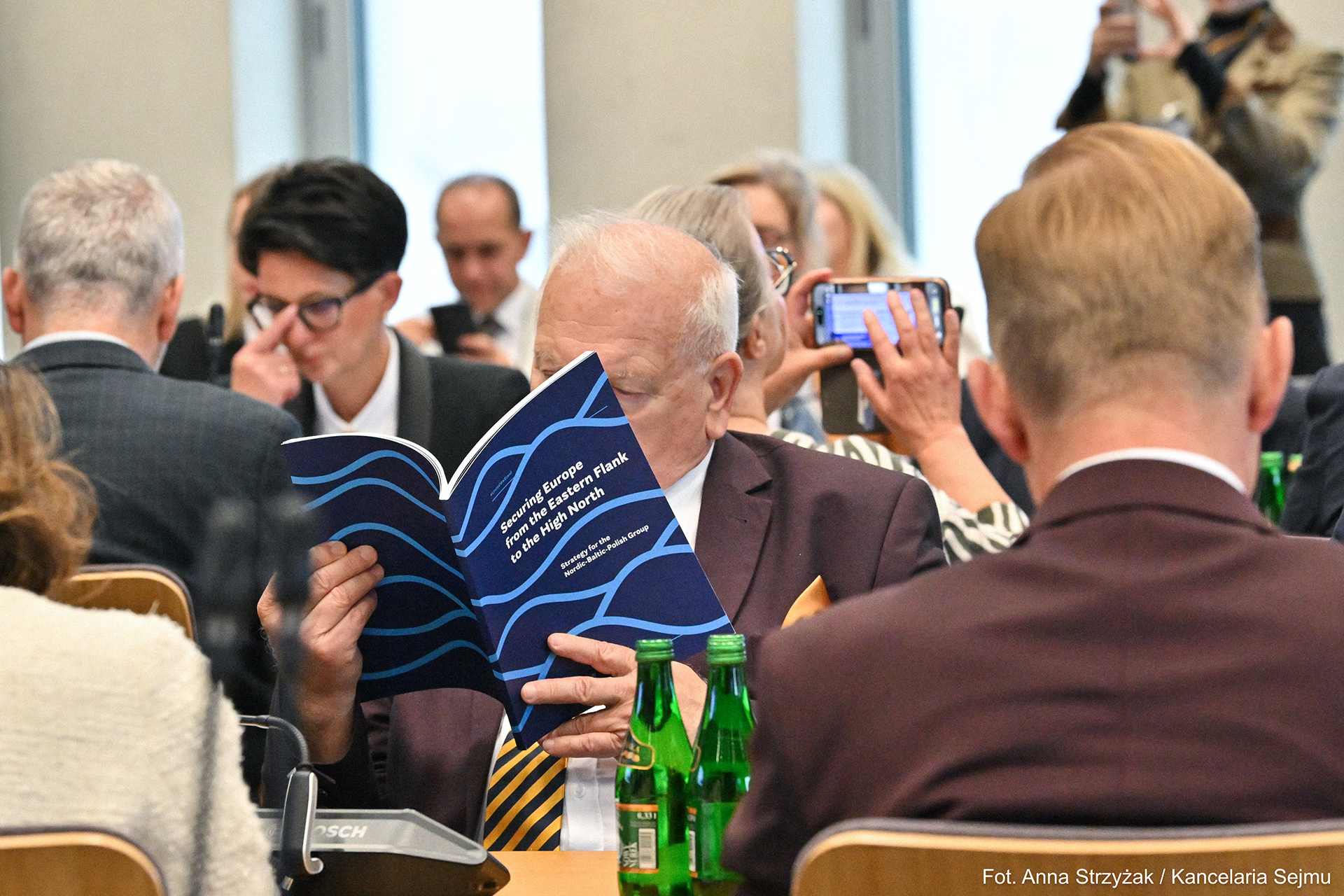
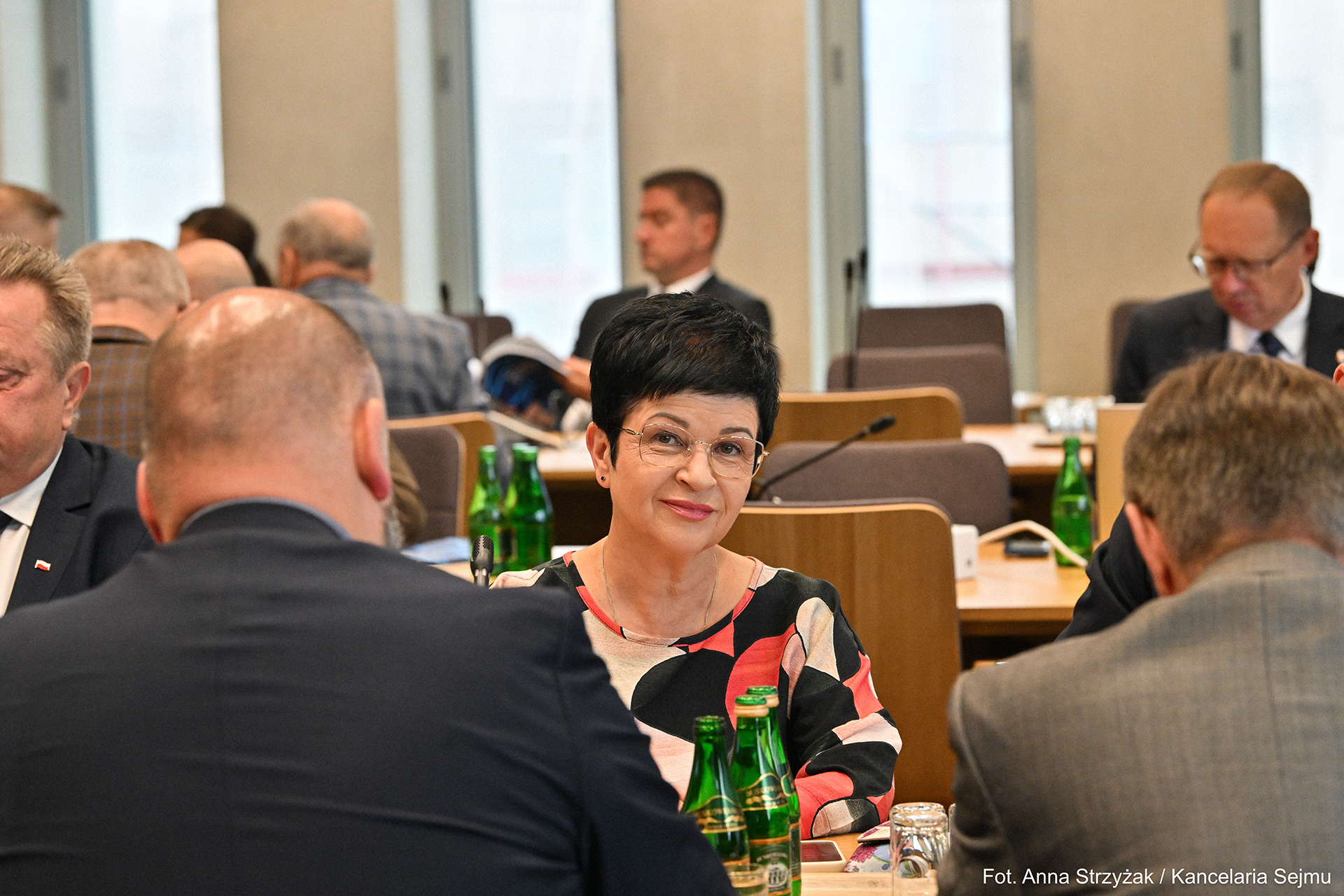
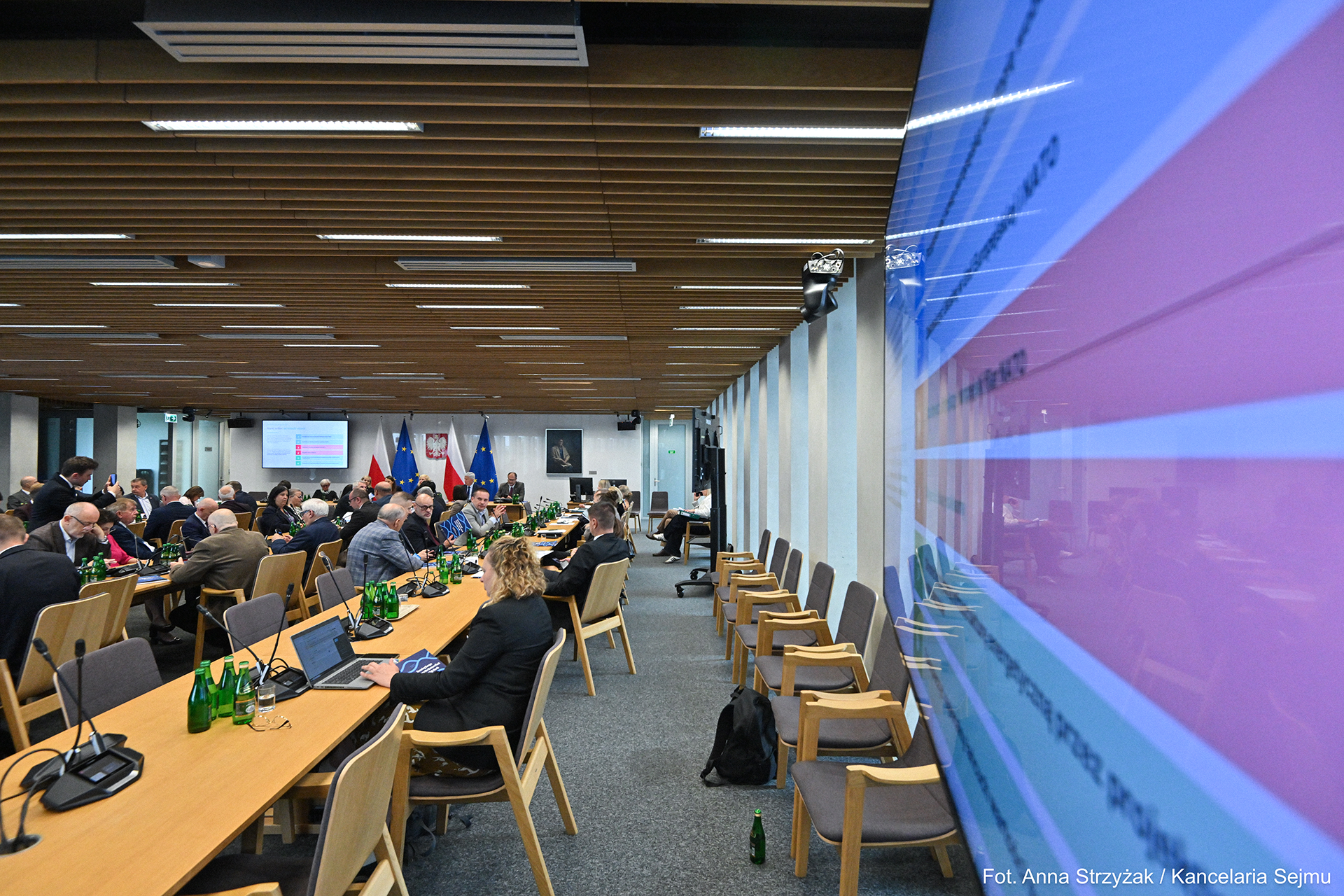
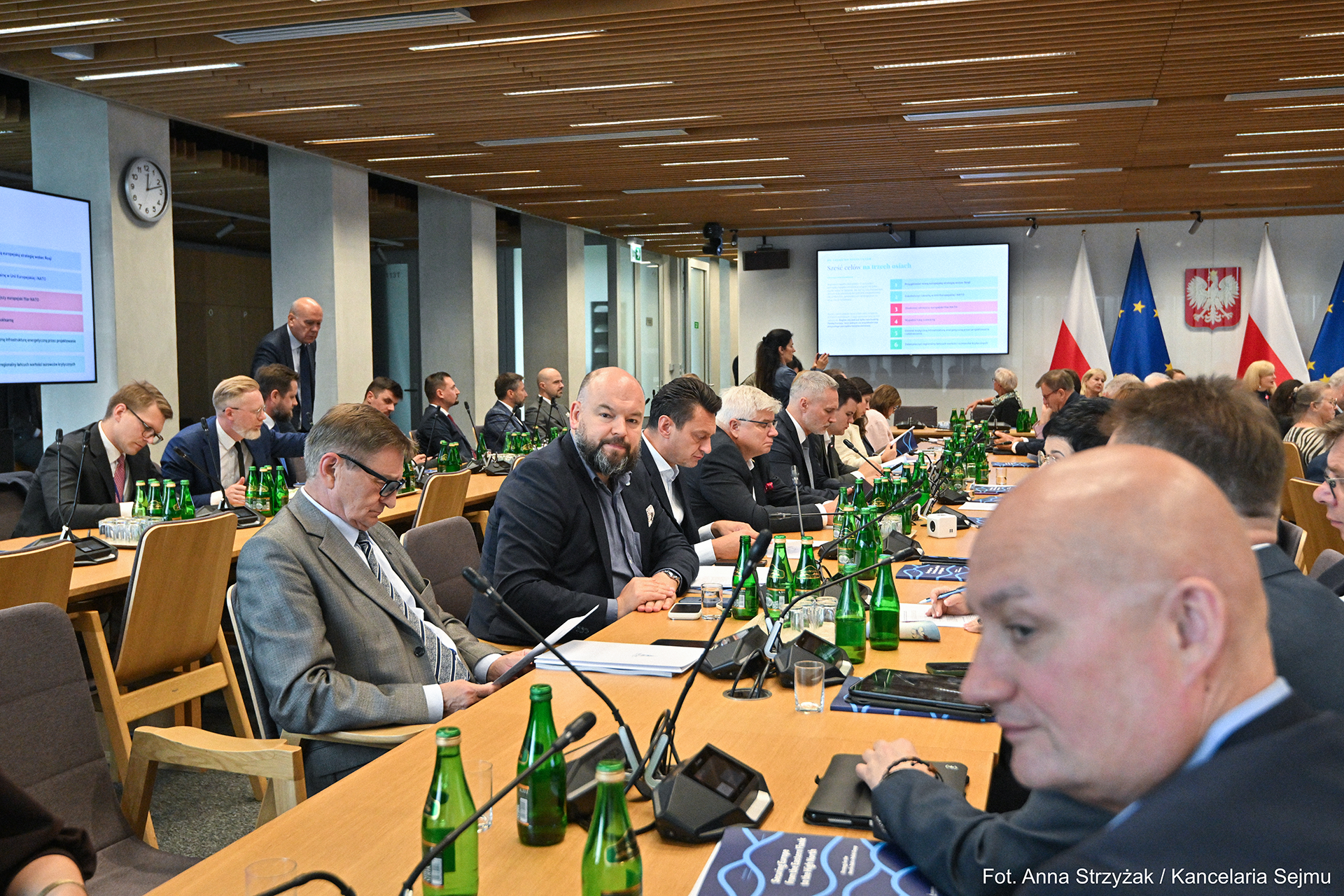
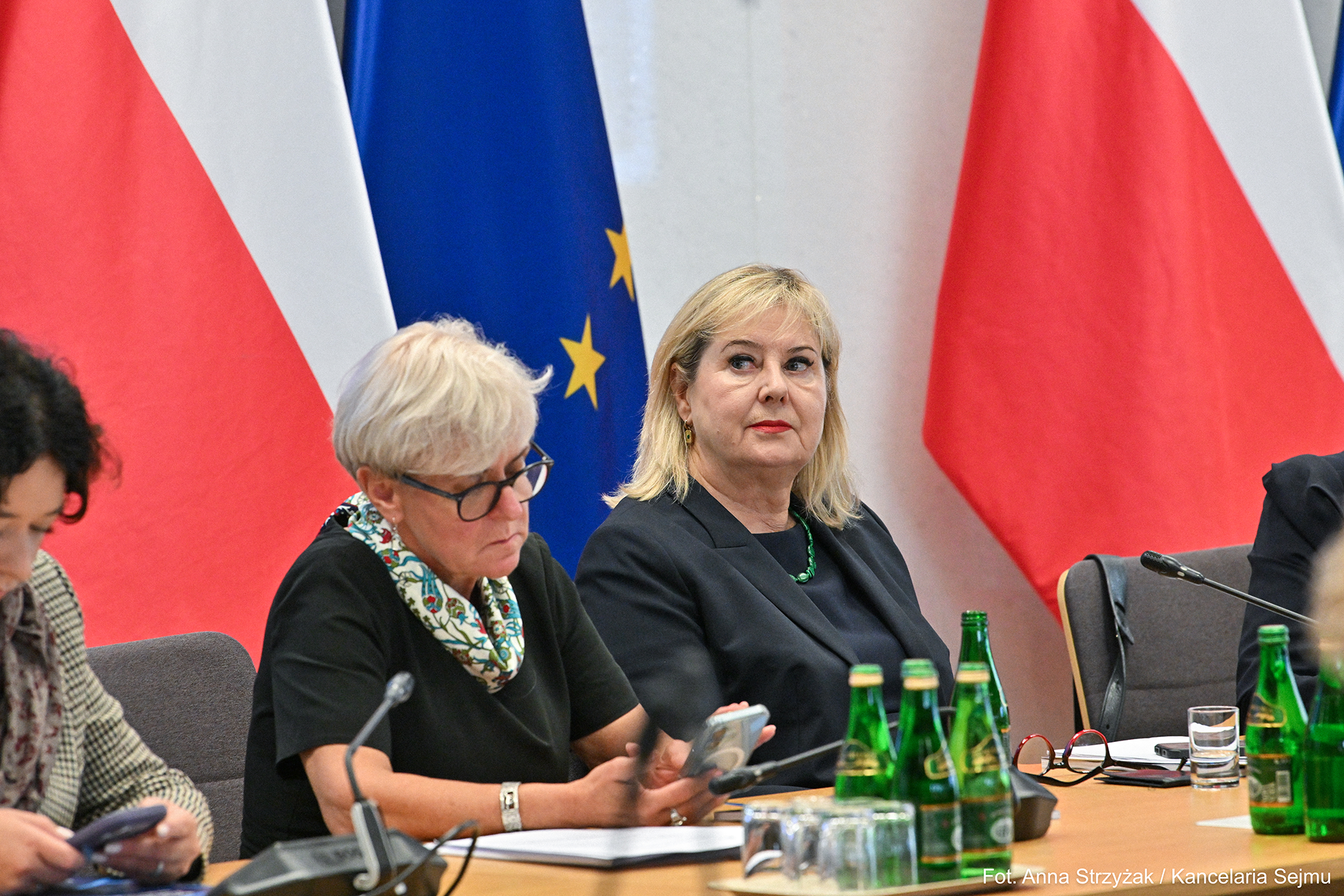
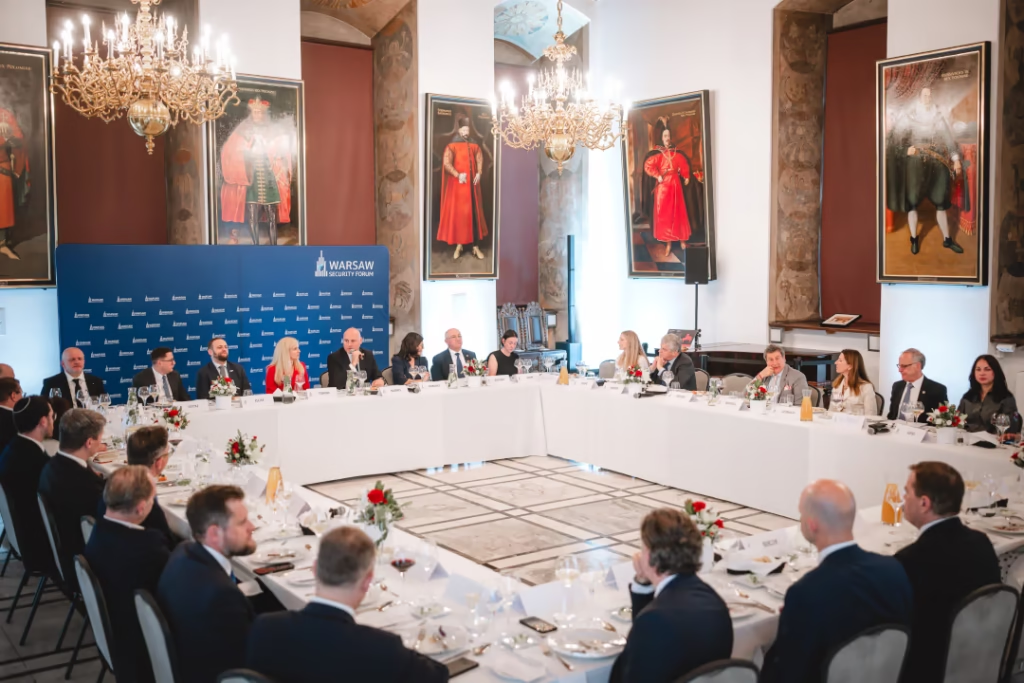
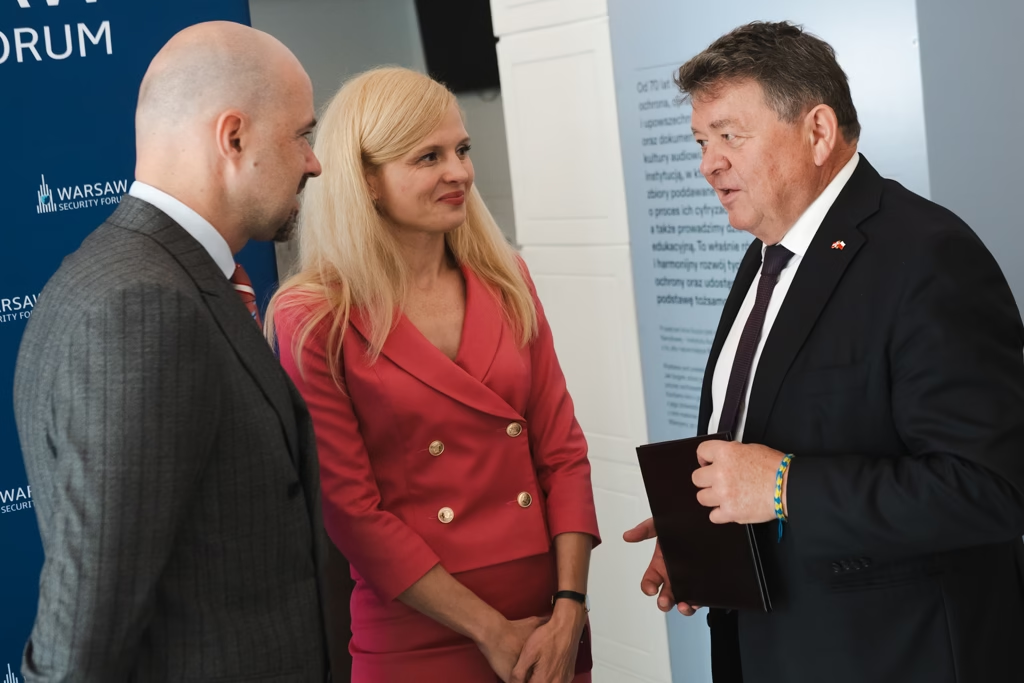
On September 15th, the Warsaw Security Forum launched its 2026 Annual Report Sejm of the Republic of Poland. A joint session of the National Defence Committee, the Foreign Affairs Committee and the European Union Affairs Committee of the Sejm gathered more than 50 members of parliament, representing all parliamentary groups. The session was convened by Agnieszka Pomaska, Chair of the European Union Affairs Committee and one of this year’s WSF Report contributors.
The Annual Report is the Warsaw Security Forum’s principal analytical publication and the intellectual backbone of its preparatory cycle, setting out the advocacy causes that shape the agenda of the WSF Annual Gathering. This year’s edition, „Securing Europe from the Eastern Flank to the High North: Strategy for the Nordic-Baltic-Polish Group„, is devoted to the nine states of Europe’s northern and eastern flank and was prepared by the analytical team of the Casimir Pulaski Foundation with a working group of 27 contributors from across the region: serving and former ministers, a former head of state, deputy speakers of parliament, chairs of parliamentary committees, members of parliaments, senior military officers and leading analysts. Its launch in the Sejm opens the Report’s public cycle ahead of the upcoming WSF Annual Gathering.
A Strategy for the Nordic-Baltic-Polish Group
Prof. Katarzyna Pisarska, Chair of the Warsaw Security Forum, presented the Report to members of parliament, outlining its premise that the end of active hostilities in Ukraine will not bring an end to Europe’s strategic competition with Russia, and that the Nordic-Baltic-Polish group – the part of the continent most directly exposed to Russian pressure, and the one that has converged most closely on how that pressure should be read – has the standing to shape the European security order that follows the war rather than merely absorb its consequences.
Nine states hold the longest continuous stretch of NATO and European Union territory bordering Russia and Belarus, some 3,800 kilometres; they are home to 70 million people and spend an average of 4.07% of GDP on defence, among the highest defence efforts in the Alliance.
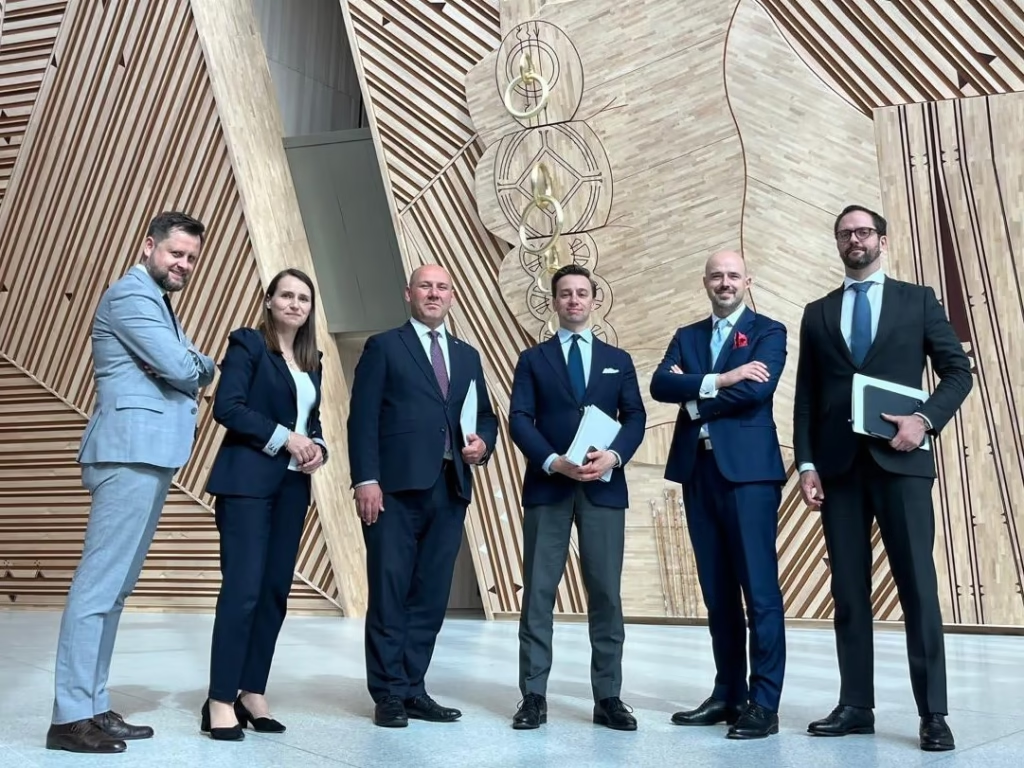
The Report’s six strategic goals were presented across its three dimensions by the Directors of the Casimir Pulaski Foundation’s programmes:
The presentation was followed by an extended exchange with members of the three committees, with questions from across the parliamentary groups present.
A substantial part of the debate turned on the geometry of regional defence planning. Members asked whether existing plans should be reformatted so that Poland’s border ceases to function as the first line of defence of NATO and the European Union and becomes the last, and what that would require in terms of the region’s ability to neutralise threats before they reach its territory.
Ukraine’s position in the event of a frozen conflict drew equally close attention. Participants asked how the region should regard Ukraine should hostilities be suspended without a settlement, what format of cooperation with the European Union would apply in such circumstances, and whether arrangements short of accession – such as Germany’s proposal of granting Ukraine an „associate member” status – would be acceptable. It was noted in the discussion that the states of the region do not agree on interim solutions of this kind, and that Ukraine’s military potential and political will should be put to use rather than allowed to dissipate, as was the case with Georgia.
The discussion also covered the status of the Baltic Sea in the face of Russian attacks on critical undersea infrastructure, and the region’s posture should Russia escalate on two theatres at once. It was observed that the capacity to respond rests not only on capabilities and equipment – of which Poland has acquired a considerable share – but equally on doctrinal readiness: the procedures, the decision-making thresholds and the clear rules governing the use of those instruments at the moment a threat materialises. The development of reconnaissance capabilities, including satellite assets, was identified as a further condition of both credible deterrence and timely response.
The Warsaw Security Forum extends its sincere gratitude to the Chairs and members of the National Defence, Foreign Affairs and European Union Affairs Committees for the invitation, and to all participants for a substantive discussion on the future of our region’s security.
The Report’s conclusions will now be carried into the 13th WSF Annual Gathering, held in Warsaw on 12-13 October and organised in close cooperation with the Government of the Kingdom of Norway, this year’s Partner Nation, under the Forum’s 2026 umbrella message, #UnitedWeStand. Following the Annual Gathering, the Report will be presented in the parliaments of other states of the Region.